
As decentralized exchanges (DEXs) scale to handle billions in daily volume, regulators worldwide are closing in with demands for KYC, AML, and Travel Rule compliance. DeFi builders face a stark choice: ignore these rules and risk shutdowns, or integrate smart compliance layers that preserve the ethos of decentralization. Enter the DEX Compliance SDK from DexComplianceKit. com, a toolkit fusing geofencing, Travel Rule (TR) kits, and KYC integrations into one seamless solution for DeFi compliance layer SDK needs.
Navigating the Evolving DeFi Regulatory Maze
The Financial Action Task Force (FATF) has ramped up scrutiny, with its 2025 report noting that 48% of advanced jurisdictions now classify certain DeFi setups as Virtual Asset Service Providers (VASPs), mandating VASP licensing. In the US, FinCEN's Travel Rule applies fully to VASPs and money services businesses (MSBs) interacting with the market by 2025, requiring originator and beneficiary data for crypto transfers exceeding thresholds. CipherTrace's Geographic Risk Report underscores the vulnerability: over 90% of domiciled DEXs lack robust KYC, exposing them to illicit flows.
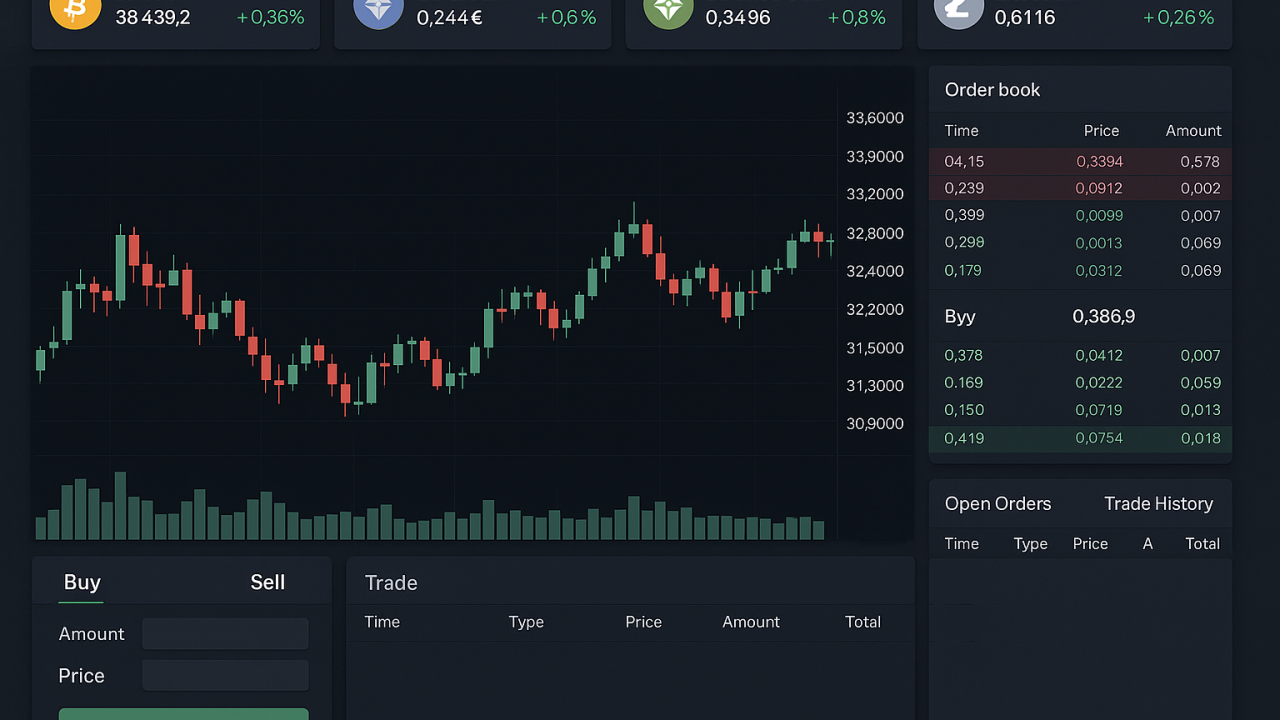
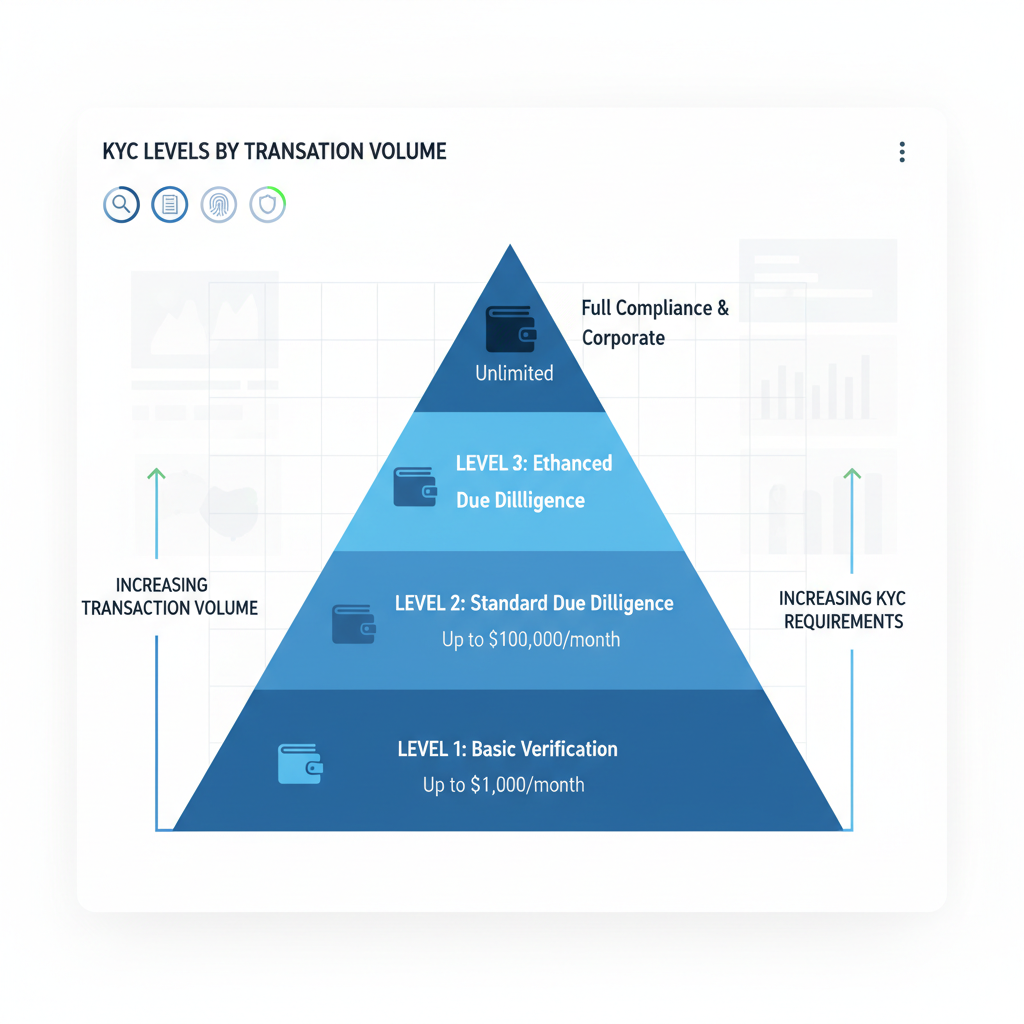
This isn't abstract policy; it's operational reality. Platforms like Uniswap have piloted protocol-level KYC via PureFi, scaling verifications by transaction volume: basic sanctions checks for small trades, full wallet scoring for high-value ones. Yet most DEXs lag, treating compliance as an afterthought rather than a core protocol feature. My view, drawn from advising fintechs post-investment banking: true innovation thrives on compliance foundations, not circumvention.
Regulators' unease with DeFi stems from its pseudonymity enabling money laundering, as highlighted in Stanford's Journal of Blockchain Law and Policy. Communication gaps exacerbate this; industry must demonstrate self-regulation through tools like zero-knowledge proofs (ZKPs), which Fairway and Tokeny deploy to verify identities on-chain without exposing PII.
Geofencing and TR Kits: Blocking Risks at the Border
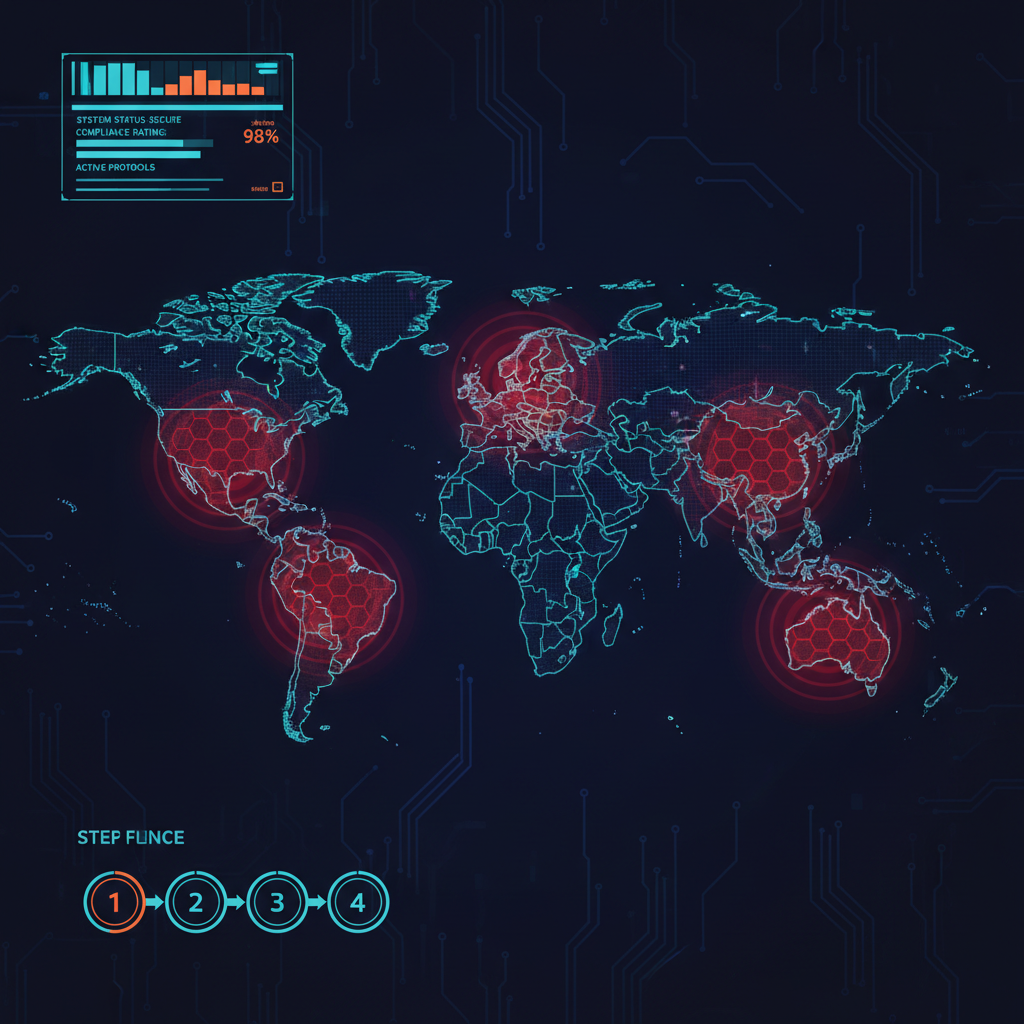
Geofencing TR kits for DEX form the first line of defense in a decentralized exchange regulatory toolkit. Geofencing uses IP geolocation and on-chain heuristics to restrict access from high-risk jurisdictions, such as those under OFAC sanctions or FATF gray lists. Paired with Travel Rule kits, they automate the exchange of required data fields: originator name, account number, address, and national identifier for transfers over $1,000 or equivalent.
Essential Geofencing TR Kit Components
- IP Blocking by Country: Uses IP geolocation databases to detect and restrict access from high-risk or sanctioned jurisdictions, a core defense in Travel Rule compliance for DeFi platforms.
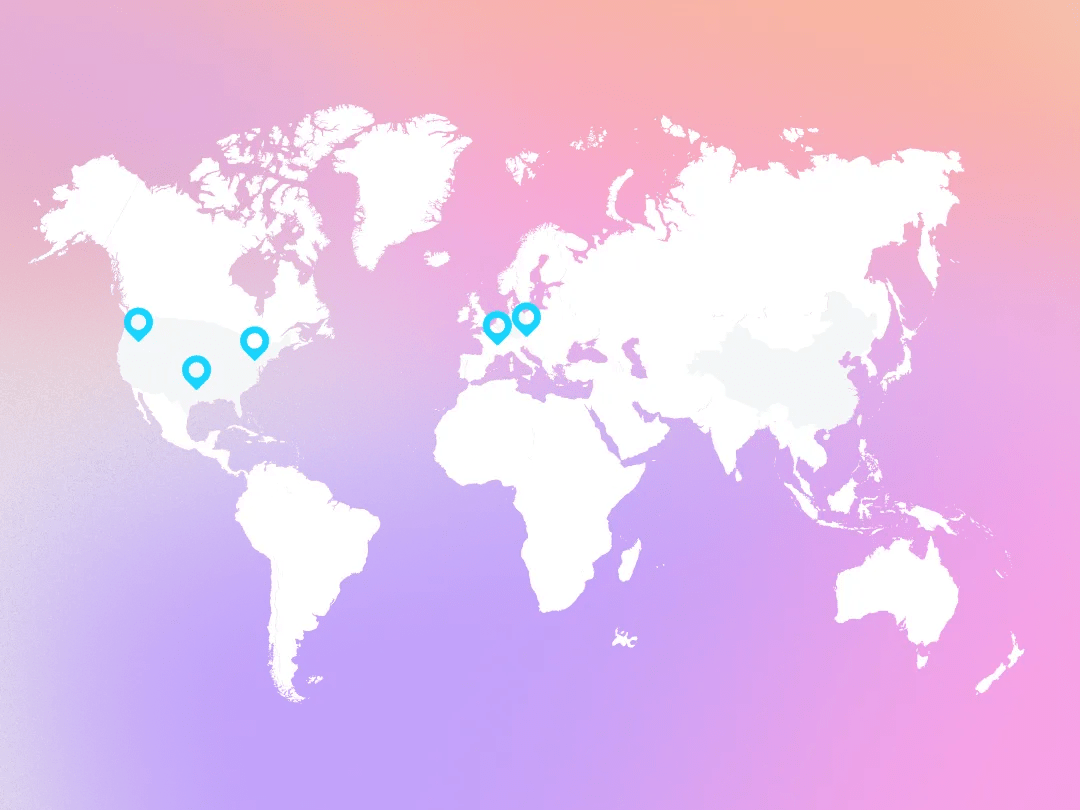
- On-Chain Wallet Origin Tracing: Examines blockchain transaction history and creation data to identify wallet geographic origins, enabling risk assessment without relying solely on IP.
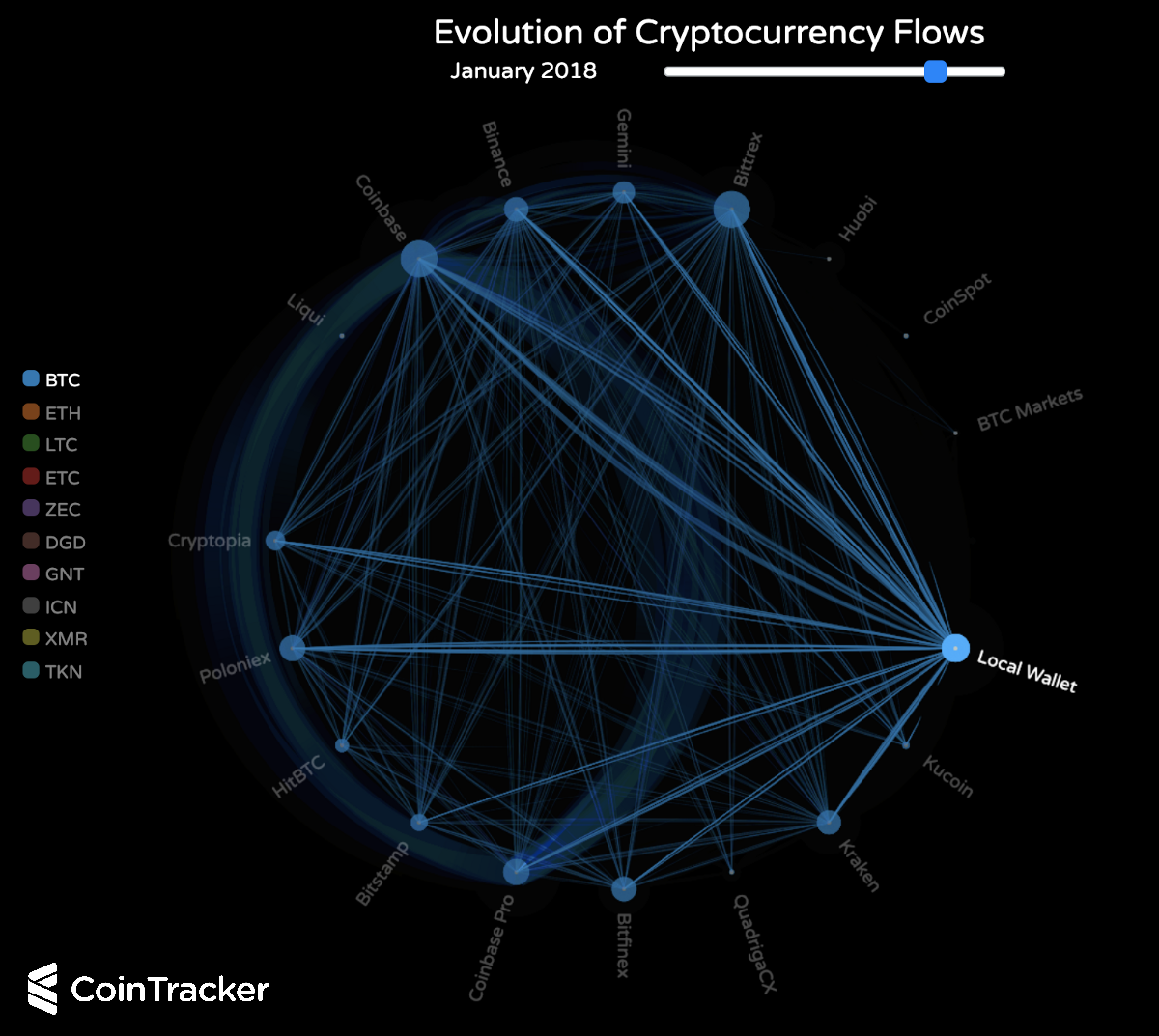
- Automated IVMS 101 Data Sharing: Enables standardized, secure exchange of originator and beneficiary data per FATF's InterVASP Messaging Standard (IVMS101) for cross-VASP Travel Rule adherence.
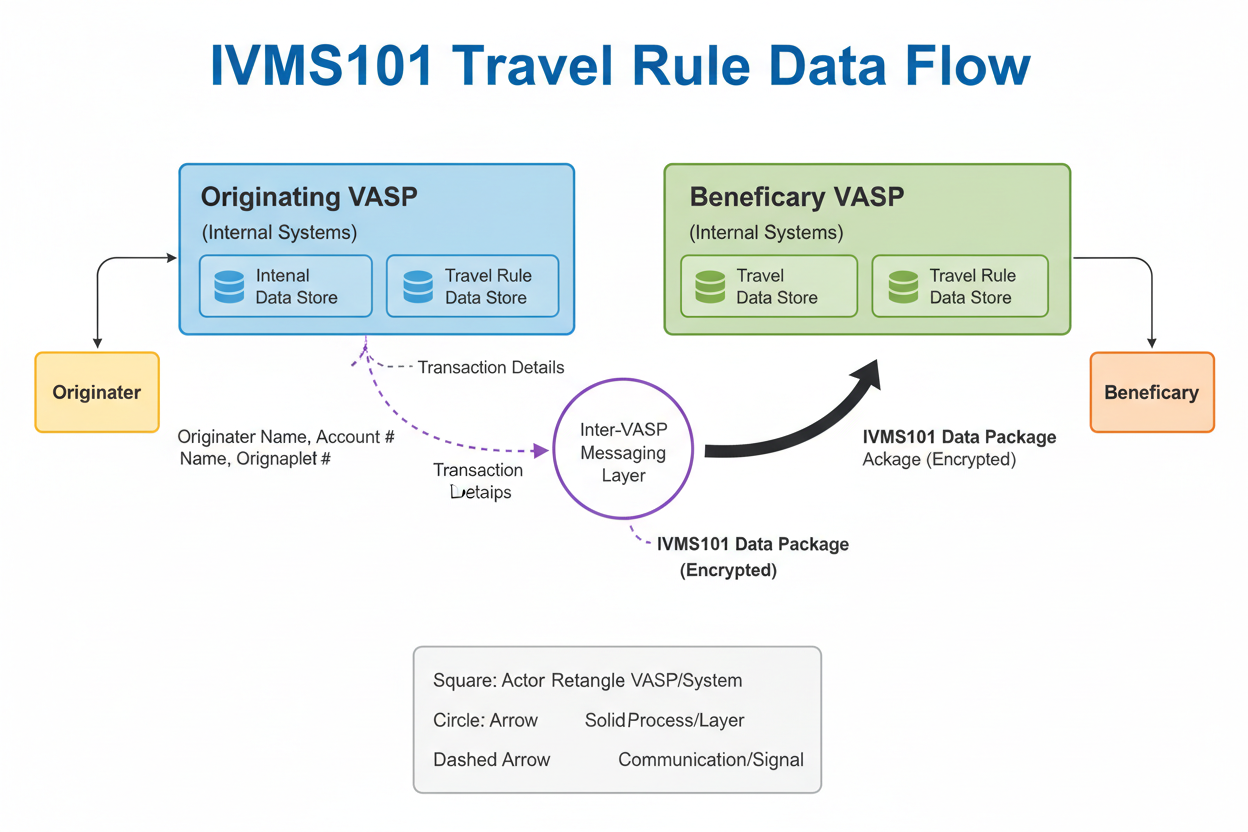
- Real-Time Sanctions Screening: Integrates with lists like OFAC and EU sanctions to scan wallets and transactions instantly, blocking prohibited interactions proactively.
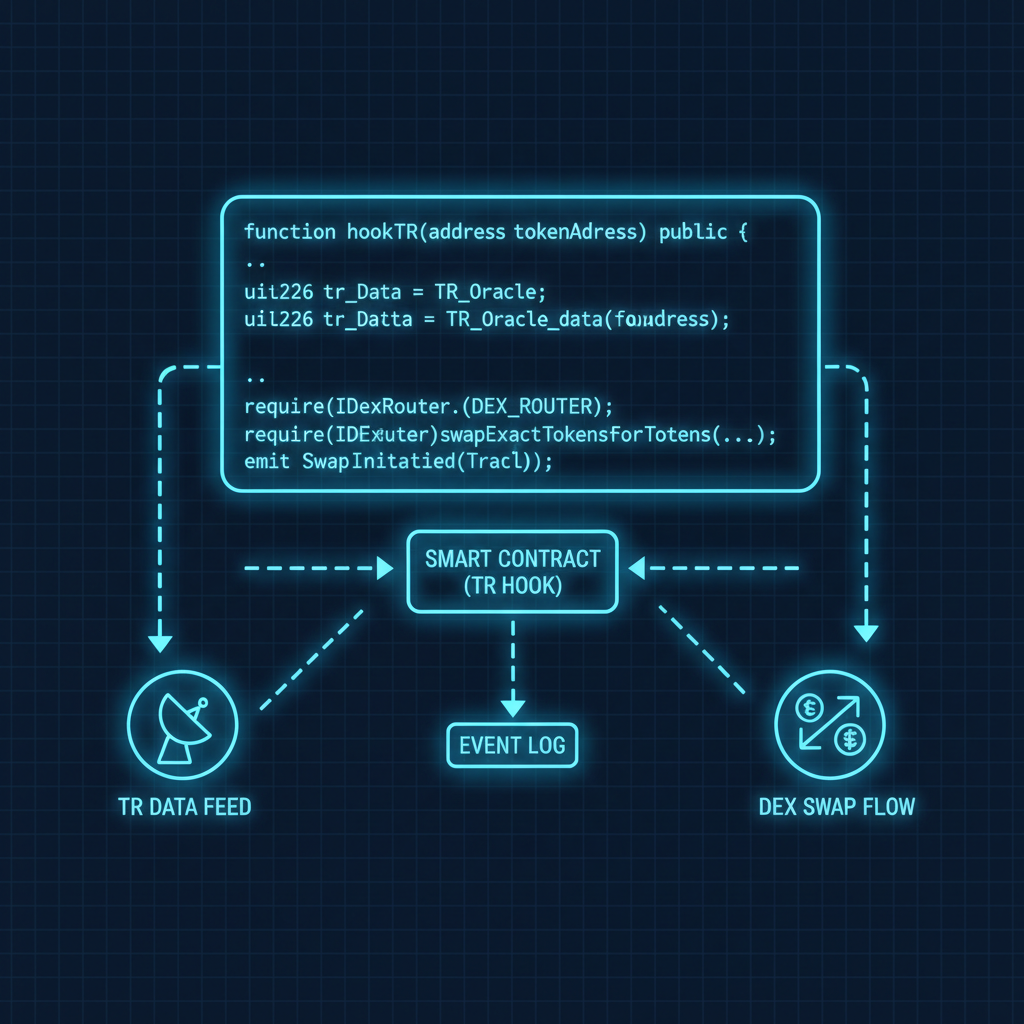
Implementation is straightforward via SDK hooks into smart contracts. For instance, before a swap executes, the SDK queries a geofence oracle; if the user's inferred location flags red, the tx reverts. TR compliance kicks in for cross-VASP flows, pinging counterparties with standardized messages. This modular approach, as outlined in ChainScore Labs' KYC/AML stack guide, allows jurisdiction-specific rules: EU MiCA demands for stablecoins, US FinCEN for IVASPs.
Critically, these tools sidestep centralization pitfalls. ZKP-based geofencing, like Tokeny's anonymous credentials, proves residency without revealing it, aligning with GDPR privacy mandates while satisfying regulators.
Seamless KYC Integration for Permissionless Protocols
Layering KYC atop geofencing and TR elevates the DEX compliance SDK to enterprise-grade. Traditional KYC feels antithetical to DeFi, but modular stacks from 7BlockLabs show it's an end-to-end decision: embed verification flows at liquidity pools or oracle calls. DexComplianceKit. com's SDK connects to top providers, offering tiered checks; low-risk users pass with wallet screening, institutions undergo full KYB.
Stablecoin volumes, per Fireblocks, demand this rigor: KYC for issuers, TR for transfers, continuous monitoring for anomalies. Sanctions. io's AML guide stresses smart contract audits for compliance hooks, preventing exploits that bypass checks. In practice, our SDK's risk engine scores wallets via chain analysis, flagging mixer usage or ransomware ties before trades settle.
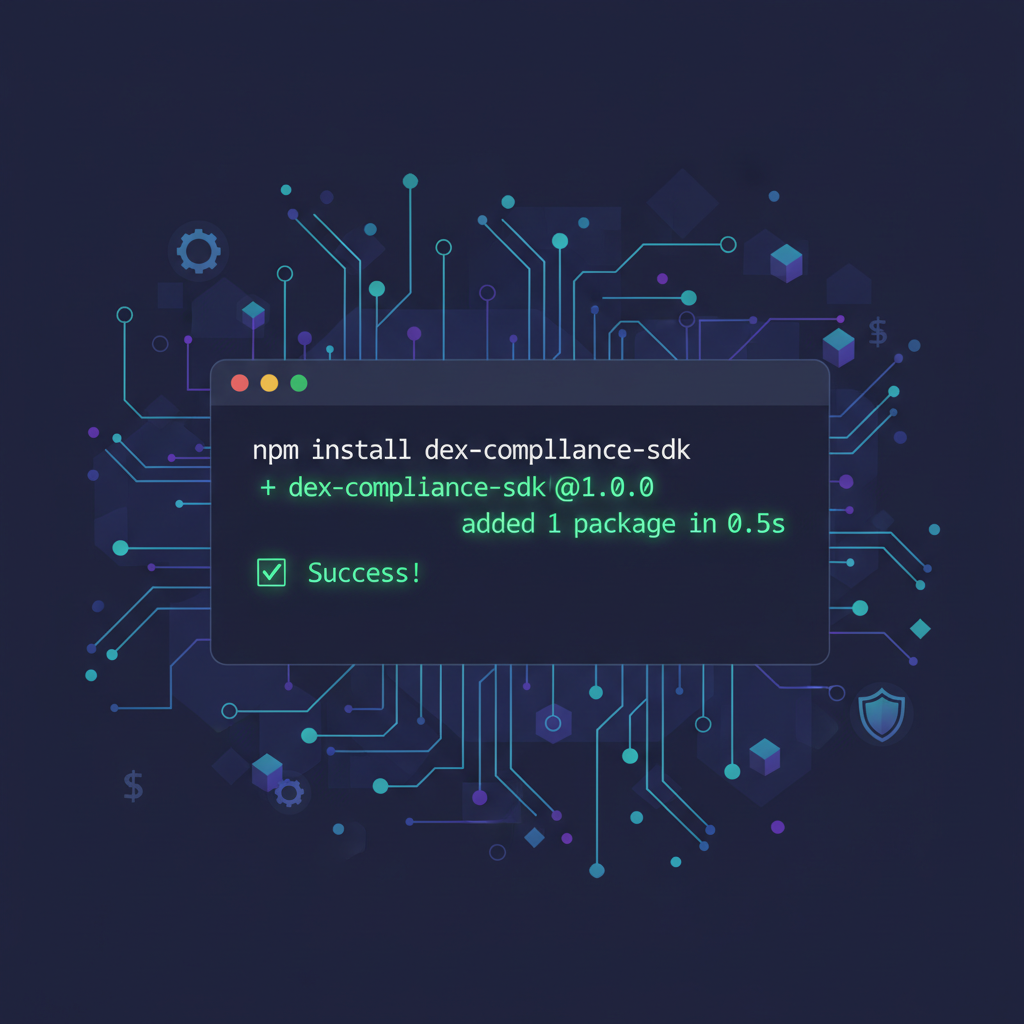
Builders benefit from plug-and-play: npm install, configure jurisdictions, deploy. This isn't bolted-on; it's woven into the protocol, enabling institutional inflows without doxxing retail users. As Bulldog Law notes, 2025's challenges demand proactive navigation, turning compliance from cost to competitive edge.
DeFi protocols that embed these layers early report 3x faster institutional onboarding, per Tokeny's ComplyDeFi deployments. The key lies in hybrid models: permissionless for retail, permissioned pools for high-value trades. This duality, powered by our SDK, segments risks without fragmenting liquidity.
Real-World Deployments: Lessons from the Frontlines
PureFi's Uniswap integration exemplifies scalable compliance: tiered verifications tie checks to volume thresholds, using ZKPs for privacy-preserving proofs. Low-volume swaps clear with sanctions screening alone; larger ones trigger wallet scoring and real-time monitoring. Fairway extends this to multi-chain DeFi, offering generalized KYC for RWAs and lending, where sanctions hits block trades pre-execution. These cases reveal a pattern: compliance SDKs that hook into DEX routers or AMMs enforce rules natively, reverting non-compliant txs at gas-minimal cost.
5-Step DEX Compliance SDK Integration: Geofencing, TR & Tiered KYC
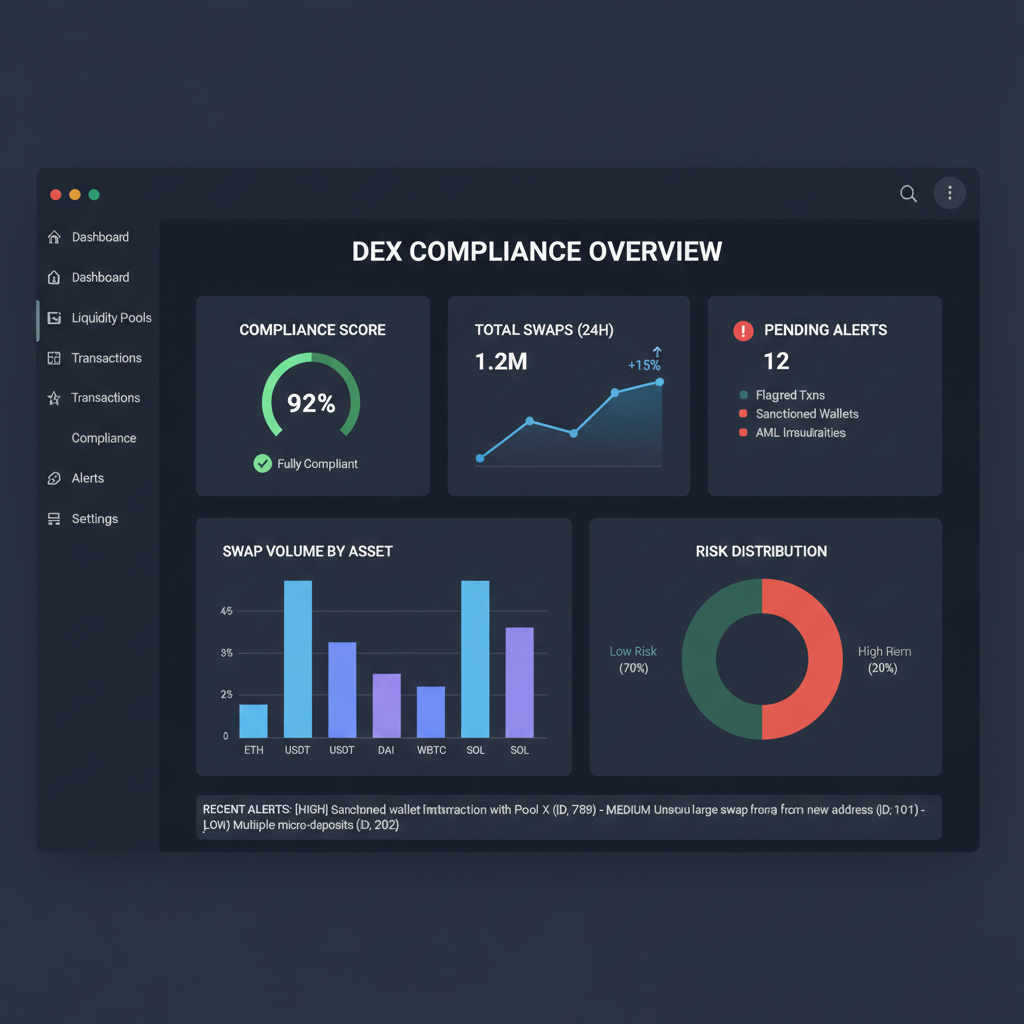
Critics argue such tools centralize DeFi, but data counters this. CipherTrace found 81% of DEXs with zero KYC; post-integration platforms like those using Tokeny's ONCHAINIDs maintain pseudonymity via anonymous credentials, sharing only eligibility proofs. My experience advising fintechs aligns here: regulators reward verifiable controls, as FATF's 2025 VASP expansions signal. Platforms ignoring this face delistings or chain-level bans, while compliant ones capture stablecoin surges and RWA tokenizations.
Developer Workflow: From Code to Compliance
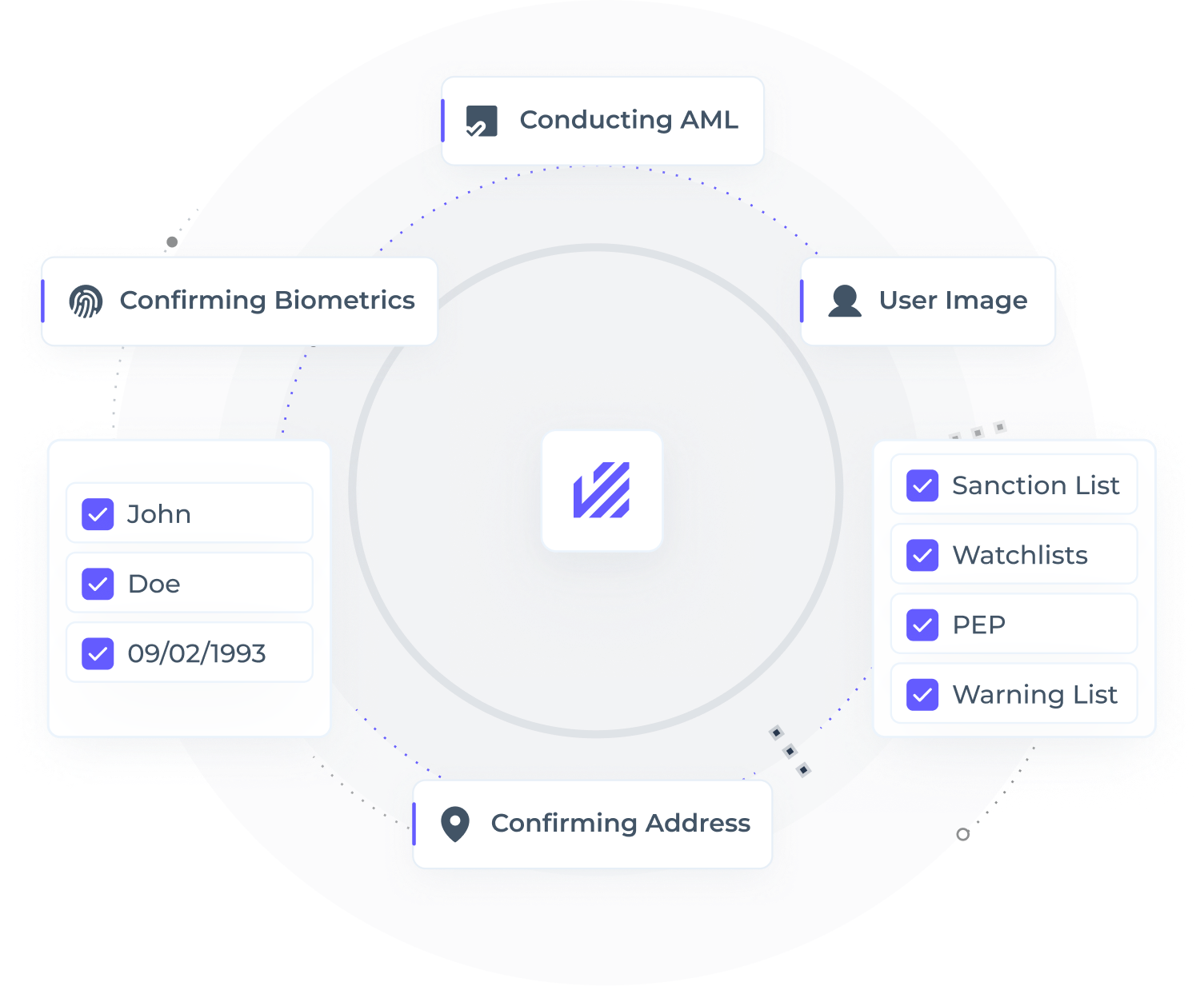
Building with the DeFi compliance layer SDK mirrors modular stacks from ChainScore Labs: configurable flows per jurisdiction, risk rules via oracles, data handling compliant with MiCA or FinCEN. Start with geofencing to block OFAC-listed IPs, layer TR kits for VASP-to-VASP data (IVMS 101 fields like originator ID and address), then KYC for persistent verification. Our SDK's oracle feeds aggregate chain analysis from providers like Elliptic, scoring wallets on mixer exposure or geographic risk.
JavaScript: Integrating DexComplianceKit SDK into Uniswap V3 Swap with Geofence and TR Prep
This JavaScript example illustrates the integration of the DexComplianceKit SDK into a Uniswap V3 swap workflow. It performs a geofence check using browser geolocation (with IP fallback) to enforce regional restrictions, prepares Travel Rule (TR) data for regulatory reporting, and executes the swap via the Uniswap V3 SwapRouter. This ensures compliance without disrupting the user experience, as checks are asynchronous.
import { ethers } from 'ethers';
import { DexComplianceKit } from '@dexcompliance/sdk';

// Initialize SDK with your API key
const sdk = new DexComplianceKit({
  apiKey: 'your-dexcompliance-api-key',
});

// Uniswap V3 SwapRouter02 address (mainnet example)
const SWAP_ROUTER_ADDRESS = '0x68b3465833fb72A70ecDF485E0e4C7bD8665Fc45';
const SWAP_ROUTER_ABI = [
  'function exactInputSingle((address tokenIn, address tokenOut, uint24 fee, address recipient, uint256 deadline, uint256 amountIn, uint256 amountOutMinimum, uint160 sqrtPriceLimitX96)) external payable returns (uint256 amountOut)'
];

async function executeCompliantUniswapV3Swap(
  tokenIn,
  tokenOut,
  feeTier,
  amountIn,
  amountOutMin,
  recipient
) {
  const signer = ethers.provider.getSigner();
  const userAddress = await signer.getAddress();
  const chainId = await signer.getChainId();

  // Step 1: Geofence check
  // Note: In production, securely obtain and validate geolocation
  const position = await new Promise((resolve, reject) => {
    navigator.geolocation.getCurrentPosition(resolve, reject);
  });

  const geofenceResult = await sdk.geofenceCheck({
    latitude: position.coords.latitude,
    longitude: position.coords.longitude,
    ipAddress: await sdk.getUserIP(), // Fallback verification
    userAddress,
  });

  if (!geofenceResult.allowed) {
    throw new Error(`Geofence restricted: ${geofenceResult.reason}`);
  }

  // Step 2: Prepare Travel Rule (TR) data for compliance reporting
  const trData = await sdk.prepareTRData({
    sender: userAddress,
    recipient,
    amountIn: ethers.utils.parseEther(amountIn.toString()),
    tokenIn,
    tokenOut,
    chainId,
    txType: 'SWAP',
  });

  console.log('TR Data prepared:', trData);

  // Step 3: Execute Uniswap V3 swap
  const router = new ethers.Contract(SWAP_ROUTER_ADDRESS, SWAP_ROUTER_ABI, signer);

  const deadline = Math.floor(Date.now() / 1000) + 60 * 20; // 20 min deadline

  const params = {
    tokenIn,
    tokenOut,
    fee: feeTier, // e.g., 3000 for 0.3%
    recipient,
    deadline,
    amountIn: ethers.utils.parseEther(amountIn.toString()),
    amountOutMinimum: ethers.utils.parseEther(amountOutMin.toString()),
    sqrtPriceLimitX96: 0,
  };

  const tx = await router.exactInputSingle(params, {
    gasLimit: 250000,
  });

  // Step 4: Submit TR data post-swap (off-chain)
  await sdk.submitTRData(trData, tx.hash);

  console.log('Compliant swap executed:', tx.hash);
  return tx;
}

// Usage example:
// executeCompliantUniswapV3Swap(
//   '0xC02aaA39b223FE8D0A0e5C4F27eAD9083C756Cc2', // WETH
//   '0xA0b86a33E644337d5eD7dF639174dD4eF4E6B8d4', // USDC
//   3000,
//   '1.0',
//   '0.99',
//   '0xYourRecipientAddress'
// );
Analyze the flow: Geofence validation prevents restricted swaps early, while TR data preparation captures transaction details for off-chain submission post-execution. In a production dApp, wrap this in a React hook or integrate with libraries like wagmi for state management. Always secure API keys and validate inputs to mitigate risks.
This code snippet demonstrates a router modifier: query geofence, prep TR payload, score wallet risk. Deployed on Ethereum or L2s, it adds microseconds to tx latency while slashing audit costs. Sanctions. io's step-by-step AML playbook validates this: audit hooks first, then monitor post-deploy.
Opinion: Too many builders chase yield hacks over regulatory moats. A decentralized exchange regulatory toolkit like ours flips the script, turning compliance into alpha. Institutional capital, eyeing $10 trillion AUM shifts, demands it; retail benefits from safer pools.
Post-audit, protocols withstand regulatory stress tests. 7BlockLabs emphasizes end-to-end thinking: compliance spans frontends (IP blocks), contracts (revert logic), and off-chain (KYB for teams). DEXs nailing this, like Fairway-enabled RWAs, report 40% volume lifts from compliant LPs.

Forward-looking, 2026 brings EU MiCA stablecoin rules and US MSB expansions, per Sumsub and Terms. Law. Geofencing TR kits DEX integrations future-proof against these, with ZKP upgrades enabling cross-chain TR without bridges leaking data. Builders prioritizing this stack don't just survive; they define DeFi's compliant evolution, blending borderless finance with border-aware safeguards. Platforms wielding our SDK lead the pack, proving decentralization and diligence coexist.




No comments yet. Be the first to share your thoughts!