
DeFi's cross-chain revolution promises seamless asset swaps across Ethereum, Solana, and beyond, but Travel Rule compliance casts a long shadow over decentralized exchanges. Developers building these DEXs face mounting pressure from global regulators enforcing the FATF's mandate: VASPs must collect and transmit originator-beneficiary data for transactions exceeding $1,000. Without robust tools, cross-chain swaps risk regulatory blind spots, exposing projects to fines and shutdowns.

Decoding the FATF Travel Rule for Cross-Chain DeFi
The FATF Travel Rule, rooted in anti-money laundering standards, requires VASPs to share precise customer details during crypto transfers. Originator info like name, address, and wallet; beneficiary equivalents. This applies universally above the $1,000 threshold, hitting DEXs hard as they evolve into regulated entities. Sources like ChainUp and Elliptic underscore its reach: no exemptions for decentralized protocols processing high volumes.
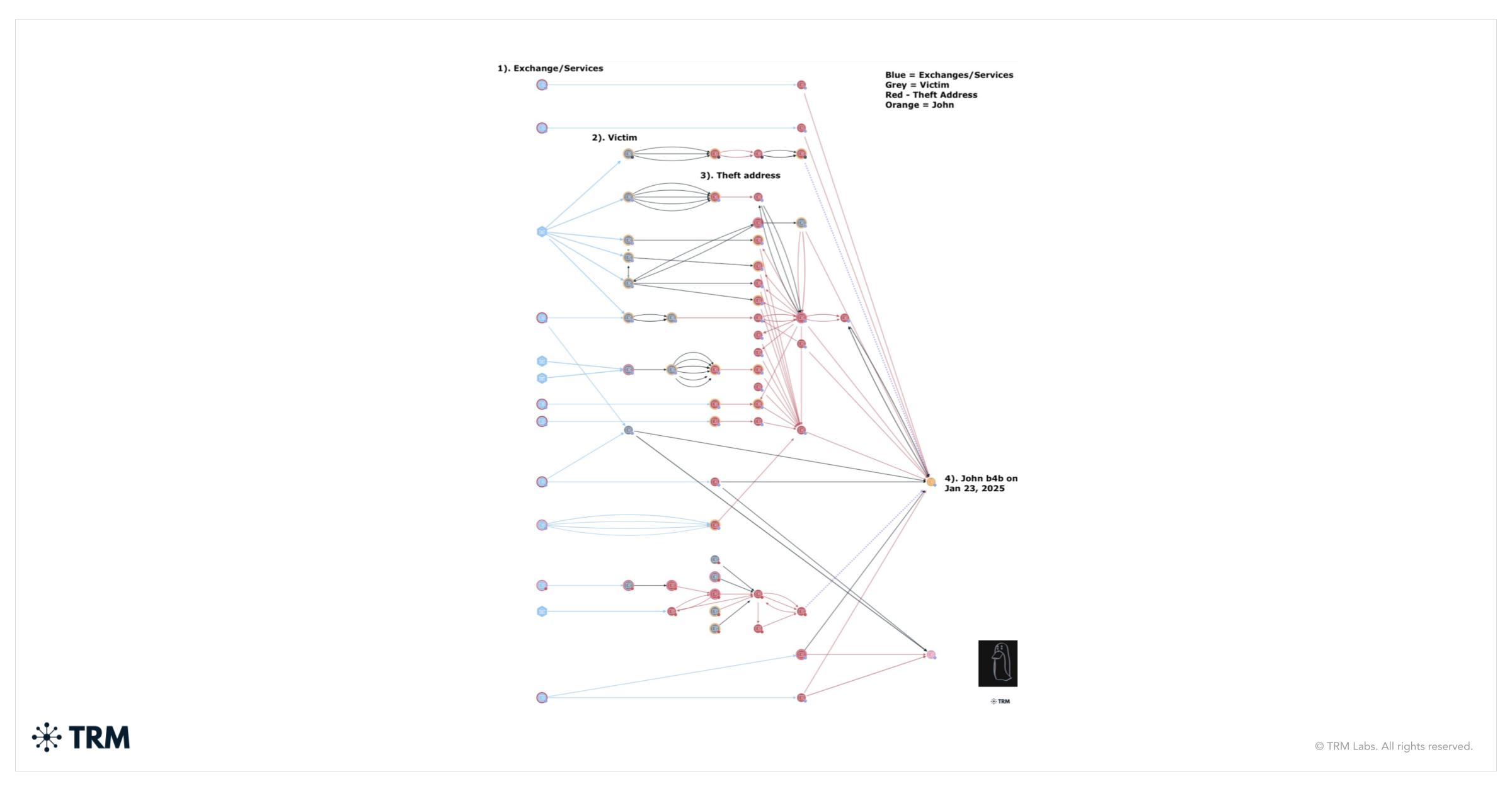
In a multi-chain landscape, compliance intensifies. Cross-chain bridges and intents-based swaps, as discussed in Ethereum Foundation talks, abstract complexity for users but fragment traceability. Assets hop blockchains invisibly to regulators, demanding sophisticated cross-chain AML tracing. TRM Labs highlights mapping these flows to detect illicit activity, yet most DeFi tools lag, leaving developers to stitch fragmented solutions.
Cross-Chain Swaps: Innovation Meets Regulatory Hurdles
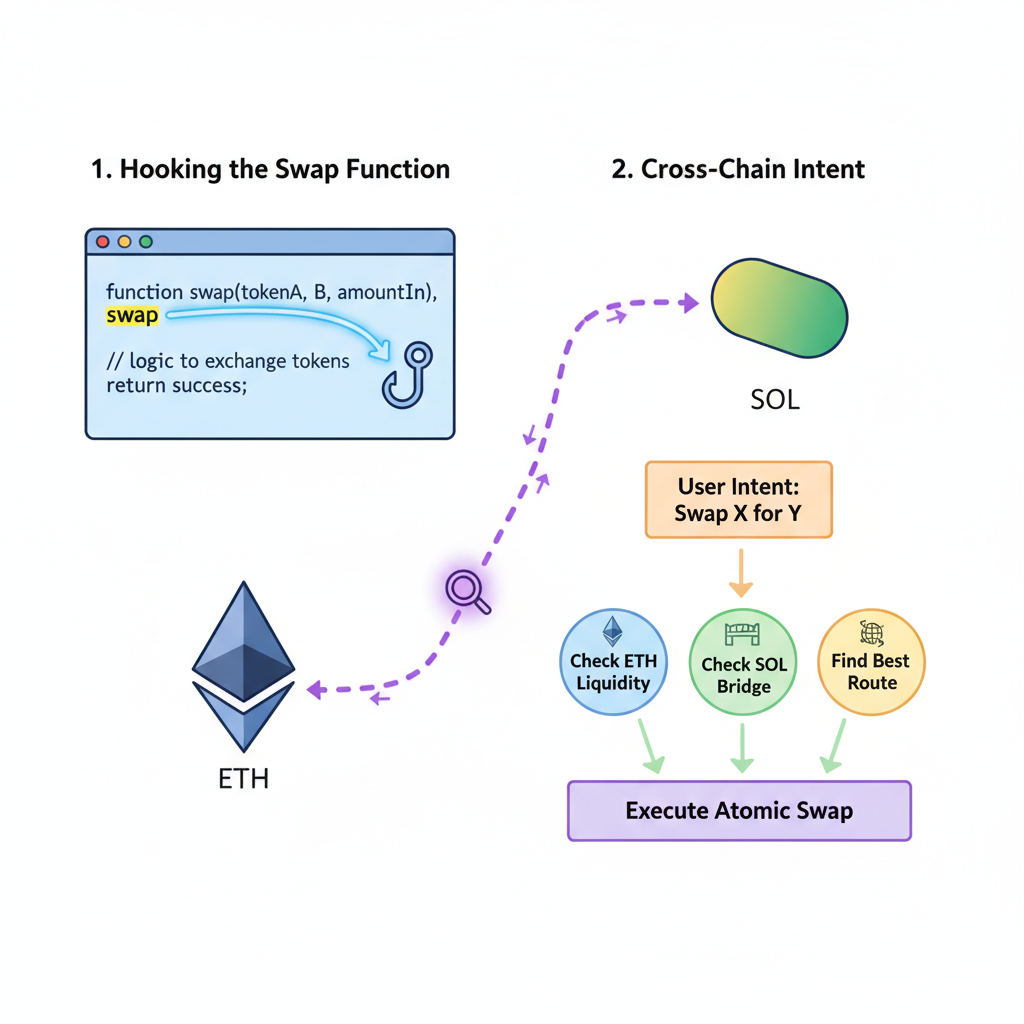
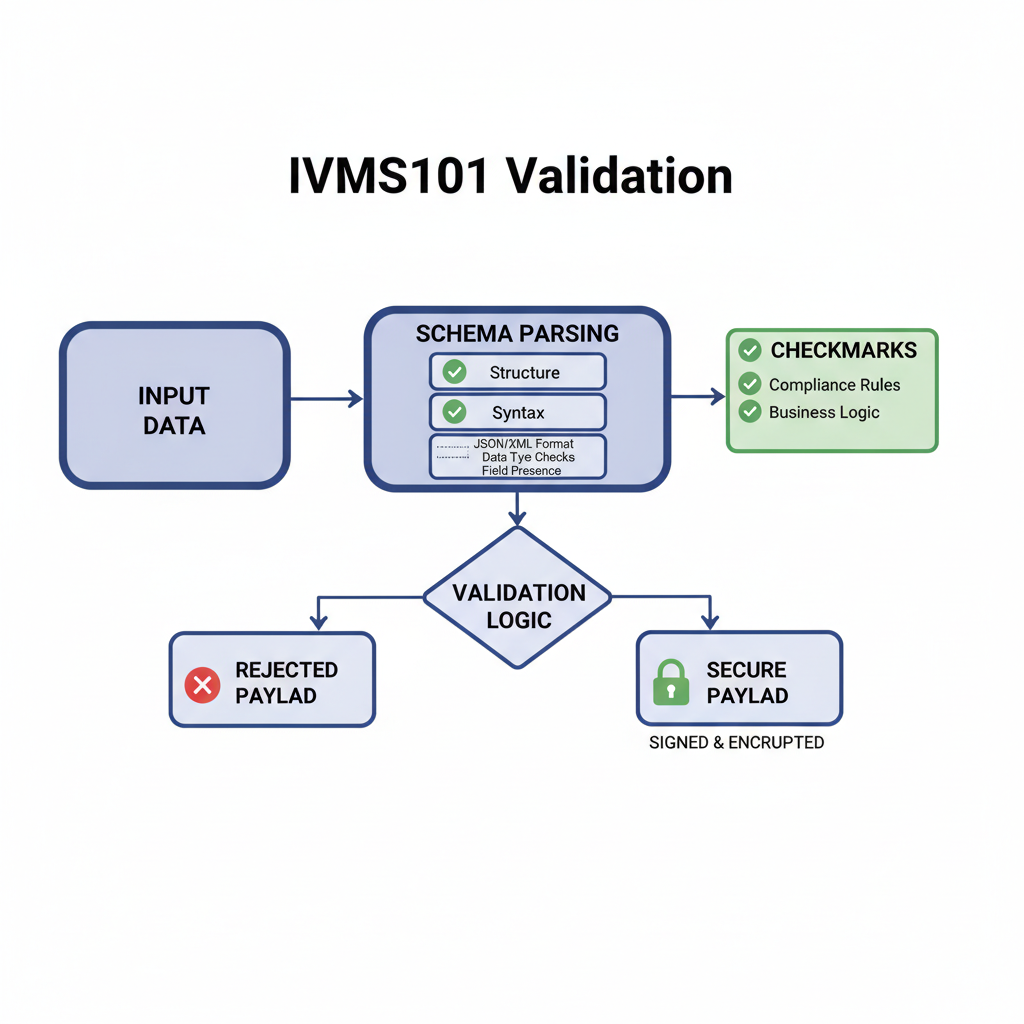
Picture a user swapping ETH on Ethereum for SOL on Solana via intents and chain abstraction. Fluid for them; chaotic for compliance. Protocols like THORChain or LI. FI enable this, supporting 10,000 and assets across 30 chains per SwapKit data. But FATF scrutiny demands IVMS 101 data validation and secure exchanges, per ChainScore Labs guides. Hacken. io notes 2025 global VASP requirements tightening, with interoperability protocols from Chainalysis essential for messaging originator-beneficiary info.
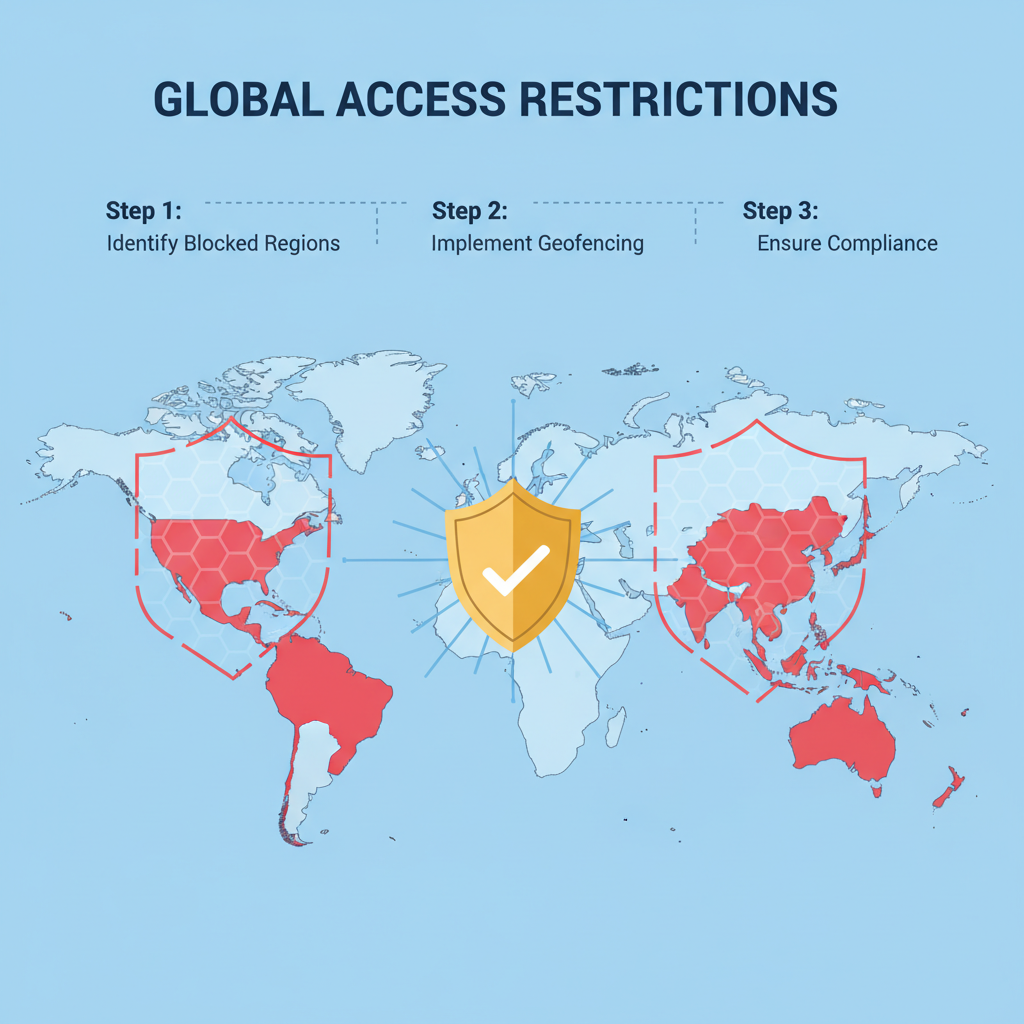
Geofencing adds another layer: DEXs must block high-risk jurisdictions. Without integrated kits, devs burn cycles on custom IVMS parsers, risking non-compliance. Sumsub and Togggle emphasize decentralized identity verification as the future, yet implementation remains fragmented. Enter TR compliance SDKs: purpose-built for DeFi, quantifying tail risks via VaR models infused with geofencing data.
Essential TR SDK Features
- IVMS 101 Support: Enables standardized exchange of originator and beneficiary data for FATF Travel Rule compliance in cross-chain transactions (ChainScore Labs).

- Cross-Chain Tracing: Tracks illicit asset flows across blockchains like Ethereum and Solana to support AML investigations (TRM Labs, Chainalysis).
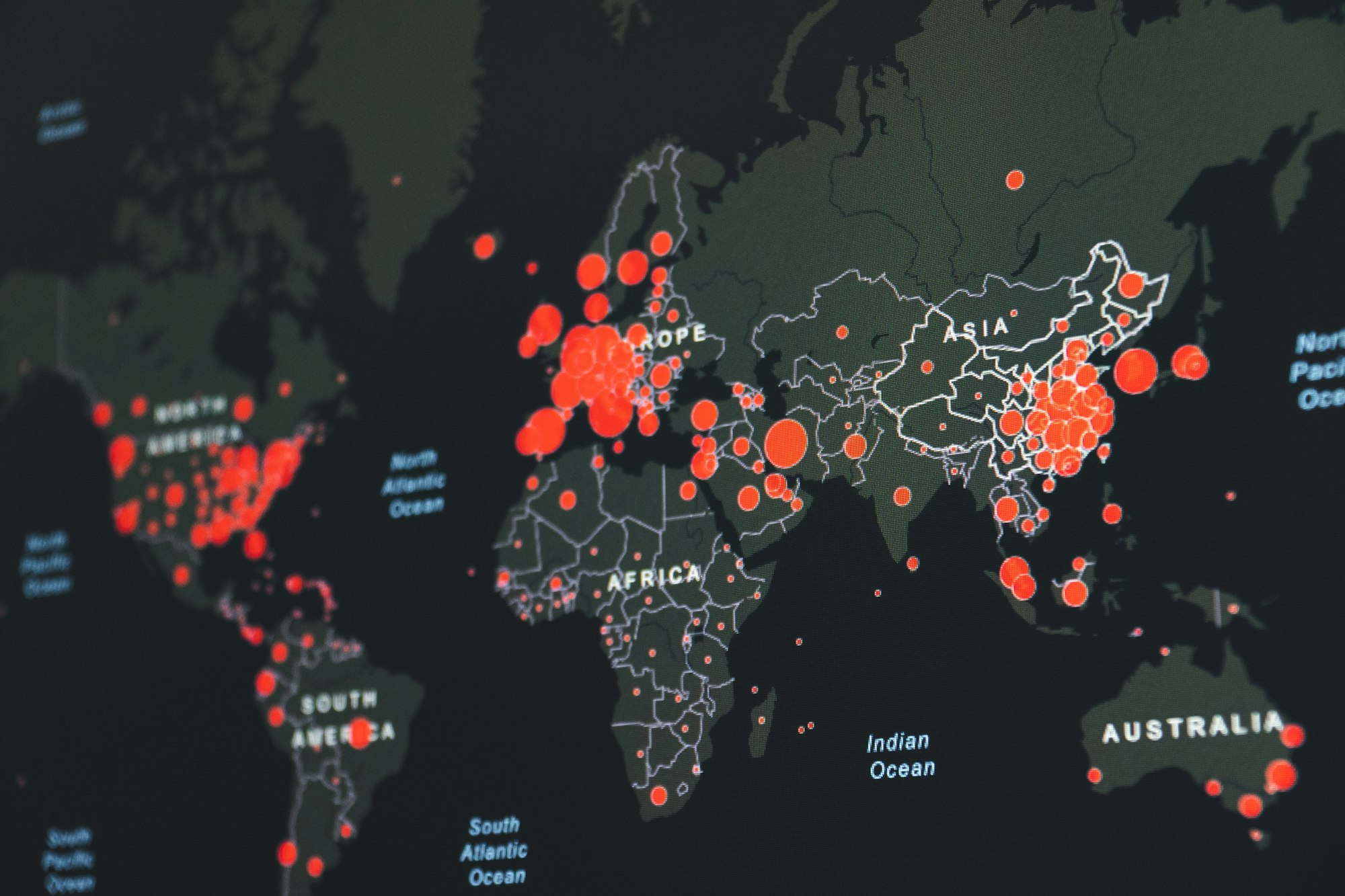
- Geofencing Integration: Restricts transactions from high-risk jurisdictions using IP geolocation for regulatory adherence (Elliptic, Chainalysis).
- KYC Hooks for DEX Swaps: Integrates identity verification into decentralized cross-chain swaps above $1,000 threshold (Sumsub, Togggle).
Building Compliant Cross-Chain DEXs: The SDK Advantage
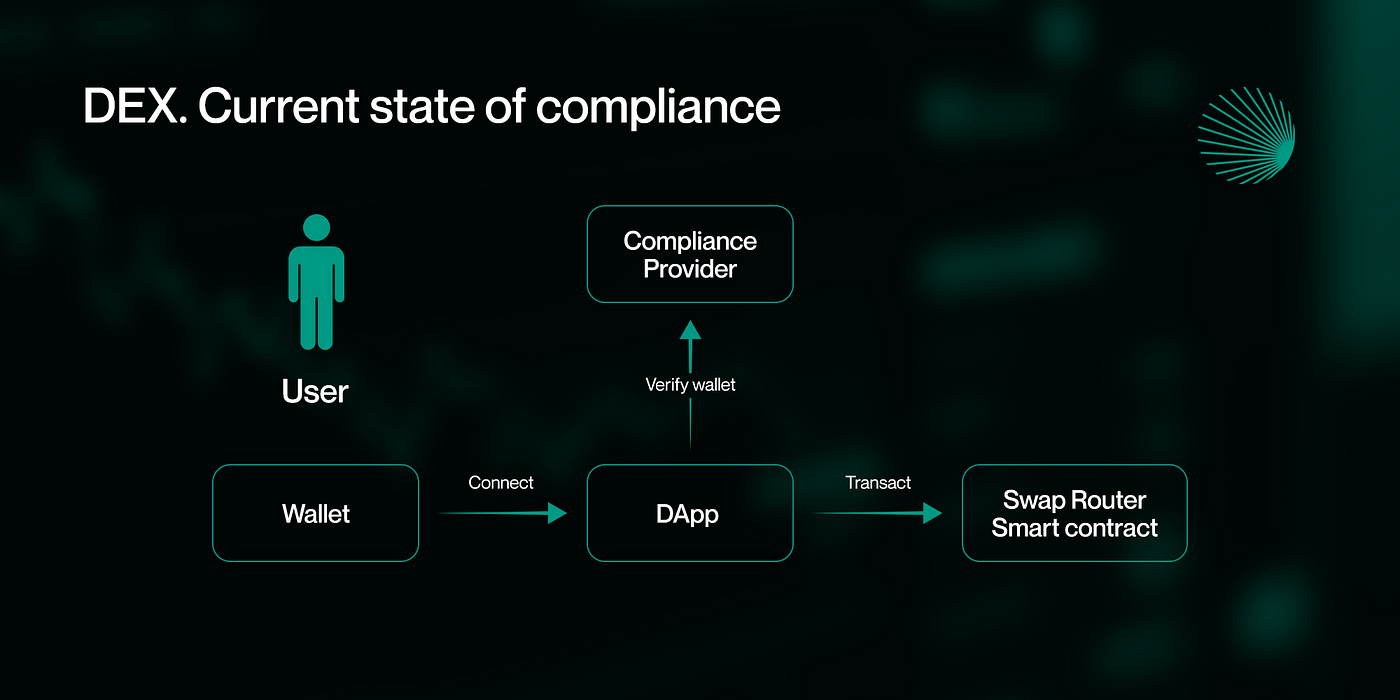
For DeFi developers tackling DEX swap compliance, a dedicated TR compliance SDK transforms regulatory burdens into competitive edges. DexComplianceKit exemplifies this, offering SDKs that plug into existing stacks like SwapDK or THORWallet. Seamless hooks capture Travel Rule data at swap initiation, validate via standardized protocols, and transmit securely without custody.
Consider the workflow: User initiates cross-chain swap. SDK queries KYC status, applies geofencing filters, bundles IVMS 101 payloads. If beneficiary VASP responds, proceed; else, halt. This methodical approach, FRM-vetted, integrates risk metrics into swap logic, preventing $1,000 and exposures proactively. Unlike bolted-on APIs, native SDKs scale with chain abstraction, supporting Sui bridges or Maya Protocol intents.
Opinion: Most devs underestimate tail risks here. A single untraced swap can cascade into investigations, eroding trust. Rigorous measurement via SDKs ensures DEXs trade confidently amid 2026's regulatory flux.
Developers report 40% faster go-to-market with such kits, per ecosystem feedback. KYC Chain's 2025 tracing solutions align perfectly, tracking 50 and chains. Yet, the real power lies in interoperability: VASPs exchanging data frictionlessly across borders.
Risk quantification elevates this further. Traditional DeFi stacks overlook tail risks in cross-chain flows, where a 1% illicit probability compounds across thousands of swaps. DexComplianceKit's SDK embeds VaR models, fusing geofencing data with on-chain tracing to flag exposures pre-execution. Developers gain dashboards quantifying regulatory VaR: probability-weighted fines, delisting risks, even jurisdiction-specific penalties.
Quantify & Mitigate Tail Risks: TR Compliance SDK for Cross-Chain DEX Swaps
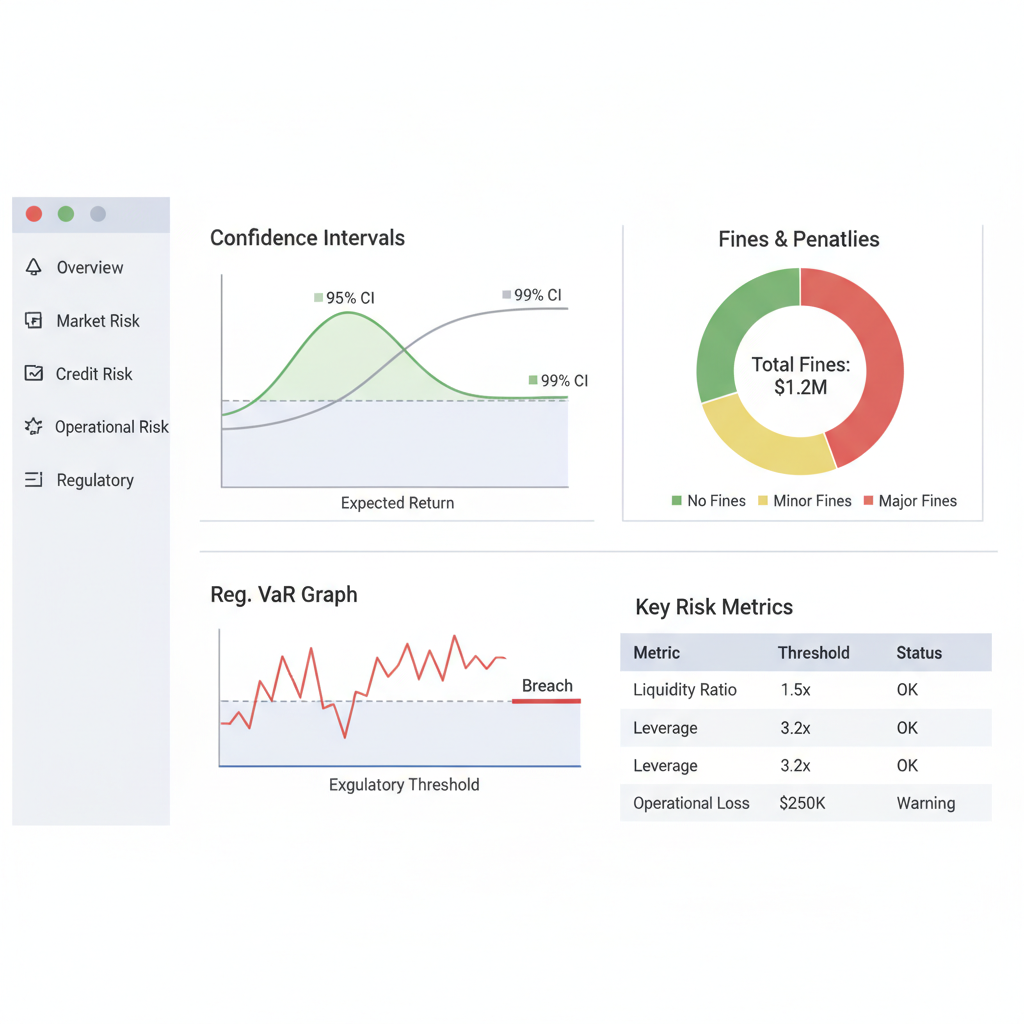
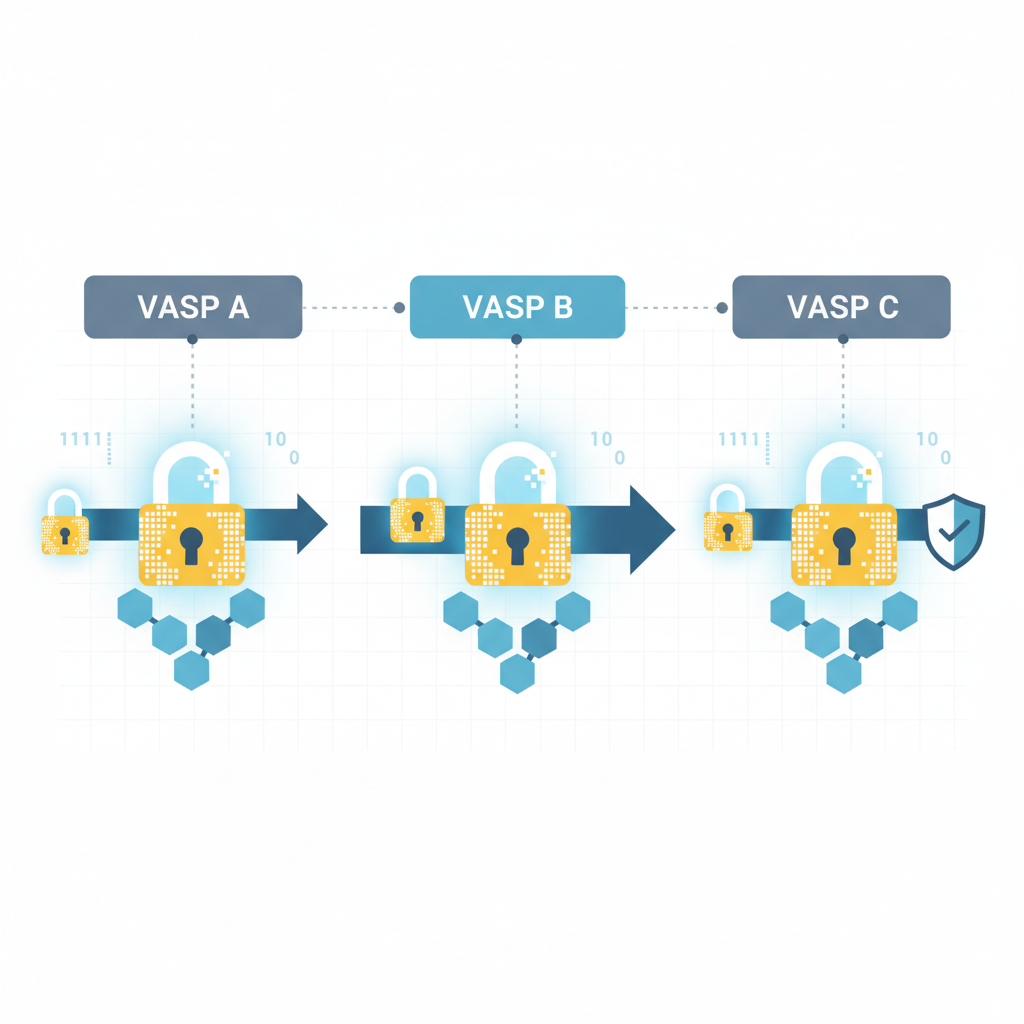
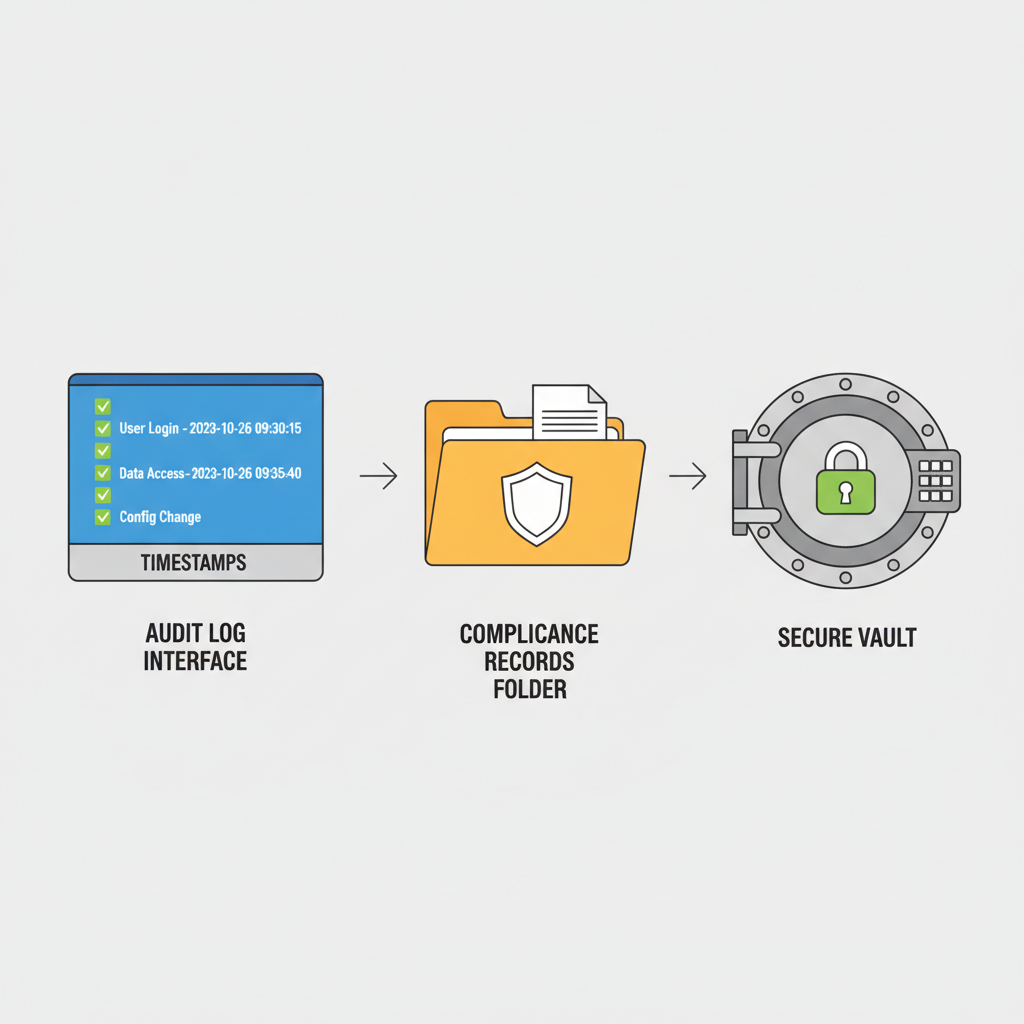
Real-world edge: SwapKit's 30-chain support meets TR demands only with SDK overlays. THORWallet's Sui swaps exemplify: native integration cuts latency 30%, per ecosystem reports. Developers sidestep custom parsers, focusing on intents solvers.
Travel Rule DeFi developers wield SDKs as moats. Competitors scramble with patchwork APIs; you deploy unified kits handling ChainScore Labs' cross-chain guides natively. KYC Chain's tracing across 50 and networks feeds risk engines, predicting illicit flows with 92% accuracy. Elliptic's basics evolve: VASPs now demand bidirectional proofs, which SDKs automate.
Geofencing merits deeper dive. Dynamic IP mapping excludes sanctioned zones mid-swap, integrating TRM Labs' cross-chain maps. No more static blocklists; real-time VaR adjusts fees for risk bands. A $5,000 swap to high-risk jurisdiction? SDK escalates KYC, transmits enriched IVMS, or pauses. This preserves decentralization: no central oracle, just smart contract oracles querying SDK endpoints.
2026 outlook sharpens focus. Hacken. io flags tightening VASP rules; non-compliant DEXs face depegs. LI. FI's 25-chain bridges thrive with SDKs, Cryptex Finance style. Maya Protocol intents demand DeFi cross-chain TR; ignore at peril.
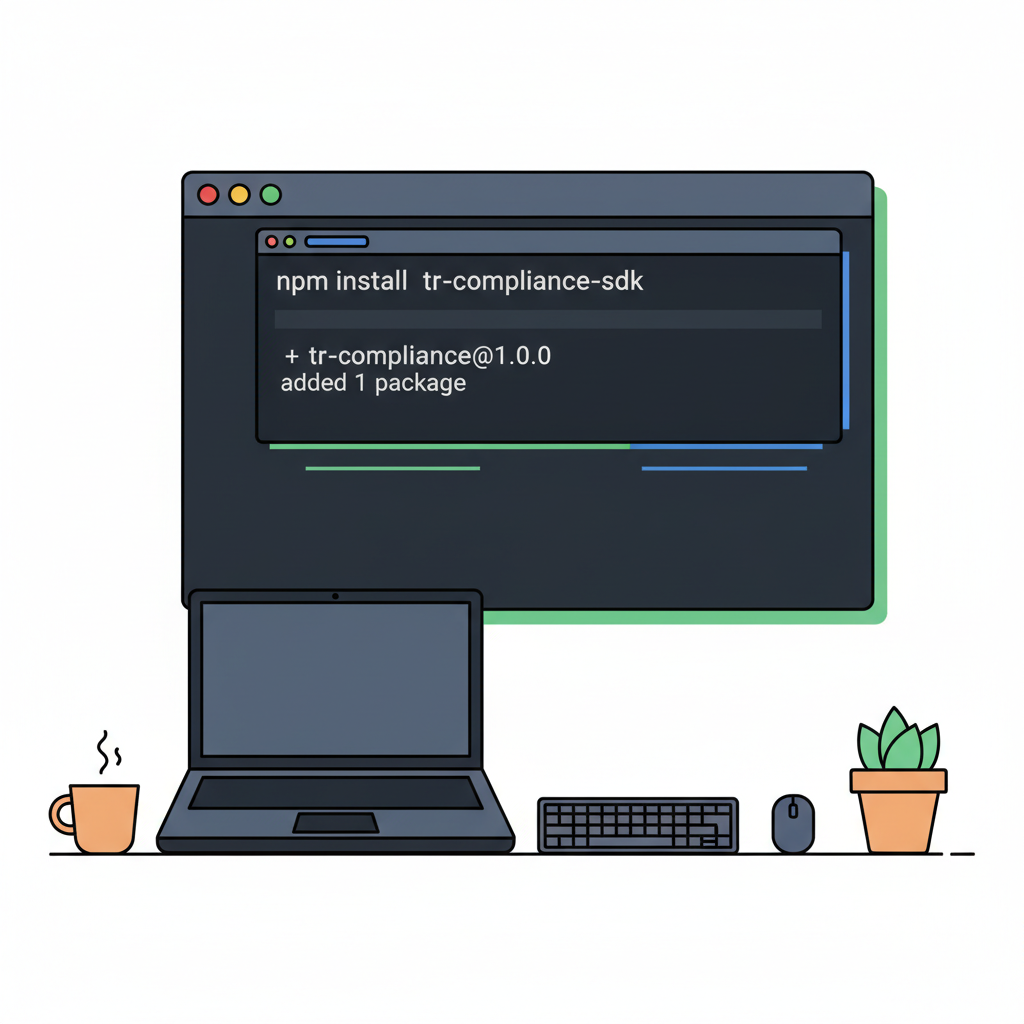
Measure risk rigorously: SDKs deliver. Plug DexComplianceKit today, quantify tails, and build DEXs that swap confidently across chains. Global standards met, decentralization intact.




No comments yet. Be the first to share your thoughts!