
In the evolving landscape of decentralized finance, DEX operators face mounting pressure to align with global regulations without compromising the ethos of decentralization. DEX geofencing emerges as a strategic imperative, particularly for enforcing the FATF Travel Rule through precise IP blocking of high-risk jurisdictions. As regulators in the U. S. , EU, UK, and APAC tighten VASP requirements by 2025 and beyond, tools like DexComplianceKit's SDK offer seamless integration for geofencing Travel Rule compliance, shielding platforms from sanctions violations while enabling institutional inflows.
Geofencing creates virtual borders, much like Bitcoin exchanges blocking restricted countries as noted by Lightspark. For DEXs, this means programmatically denying access based on geolocation, a practice gaining traction amid regulatory uncertainty. Crypto founders, per Bitget insights, increasingly geo-block users from ambiguous markets like the U. S. to sidestep compliance pitfalls. Yet, thoughtful implementation distinguishes compliant innovators from those merely reacting to headlines.
Why DEXs Must Prioritize Geofencing for Sanctions Evasion Prevention
OFAC guidance underscores IP address screening as a baseline for blocking sanctioned country access during online transactions. Chainalysis echoes this in their six steps for crypto sanctions compliance, emphasizing prevention over remediation. For DEXs, decentralized exchange geo blocking isn't optional; it's a bulwark against the FATF's heightened monitoring of jurisdictions like Nigeria, UAE, Syria, and Vietnam. These areas pose elevated money laundering risks, demanding proactive measures.
Altawil Law Group highlights routine IP blocking alongside transaction audits, but DEXs operate in a permissionless environment where smart contracts execute trades atomically. Without geofencing, a single tainted swap from a high-risk IP could trigger cascading liabilities. GeoComply advocates multi-source location data to slash risks, recognizing IP alone falls short against sophisticated actors. My 18 years as a macro strategist reveal that policy awareness here correlates directly with sustained yields in crypto portfolios.
DEX Geofencing Benefits
- Enforces Travel Rule: Blocks high-risk IPs from FATF-monitored jurisdictions like Nigeria, Syria, and UAE, aligning DEXs with global VASP requirements (Hacken, Chainalysis).
- Integrates with KYC: Combines geofencing with KYC for robust VASP compliance, using multi-source location data to verify user eligibility (GeoComply, Variant Fund).
- Reduces OFAC Fines: Proactive IP screening prevents access from sanctioned countries, minimizing regulatory penalties (OFAC.gov, Altawil Law Group).
- Preserves Decentralization: SDK kits enable seamless integration without central control, maintaining DEX autonomy amid regulations (Lightspark, Bitget).
Overcoming IP Spoofing: The Shift to Advanced Geolocation
Relying solely on IP-based IP geoblocking for DEX invites circumvention via VPNs and proxies, a vulnerability the updated 2026 context warns against. DEXs implementing basic blocks see evasion rates climb, undermining Travel Rule efficacy. Variant Fund's practical guide positions geofencing within broader strategies, advocating hybrid approaches with GPS and Wi-Fi triangulation for true location verification.
Facctum defines geo-blocking as restricting financial services by geography, integral to AML frameworks. For crypto DEX compliance kits, this evolves into dynamic systems cross-referencing IP with device signals. Consider a DEX user in Panama attempting access: a robust kit flags inconsistencies, halting wallet connections pre-transaction. Verimatrix explains geo-blocking's foundations in content control, adaptable to DeFi where stakes involve real assets, not streams.
In an era of regulatory flux, geofencing isn't a barrier; it's a strategic moat fortifying DEX longevity.
Hacken projects 2025's global VASP mandates requiring sender-recipient data sharing, amplifying geofencing's role. Platforms ignoring this risk delistings or worse, as seen in centralized exchange crackdowns. DEX operators must audit IP patterns regularly, layering defenses to adapt to FATF's list expansions including Albania, Turkey, Cayman Islands, and others.
Strategic Implementation: Building Robust Travel Rule Kits
Office of Foreign Assets Control stresses blocking web-based activities from sanctioned zones, directly applicable to DEX frontends. DexComplianceKit streamlines this with geofencing modules syncing real-time jurisdiction data. Strategically, pair IP screening with behavioral analytics: anomalous patterns from Barbados or South Africa warrant deeper scrutiny.
Forward-thinking DEXs embed these in SDKs, ensuring swaps comply sans centralized gatekeepers. This balance invites institutional capital, where patience meets policy savvy. As monitoring intensifies on jurisdictions like Jordan, Philippines, and Democratic Republic of Congo, multi-layered geofencing becomes table stakes for global scalability.
Scalability demands not just blocking, but intelligent adaptation. DEXs leveraging crypto DEX compliance kits like DexComplianceKit can dynamically update blocklists, syncing with FATF announcements and OFAC advisories in real time. This foresight positions platforms ahead of enforcement waves, much like central banks preempt yield curve shifts.
High-Risk Jurisdictions: A Targeted Blocklist
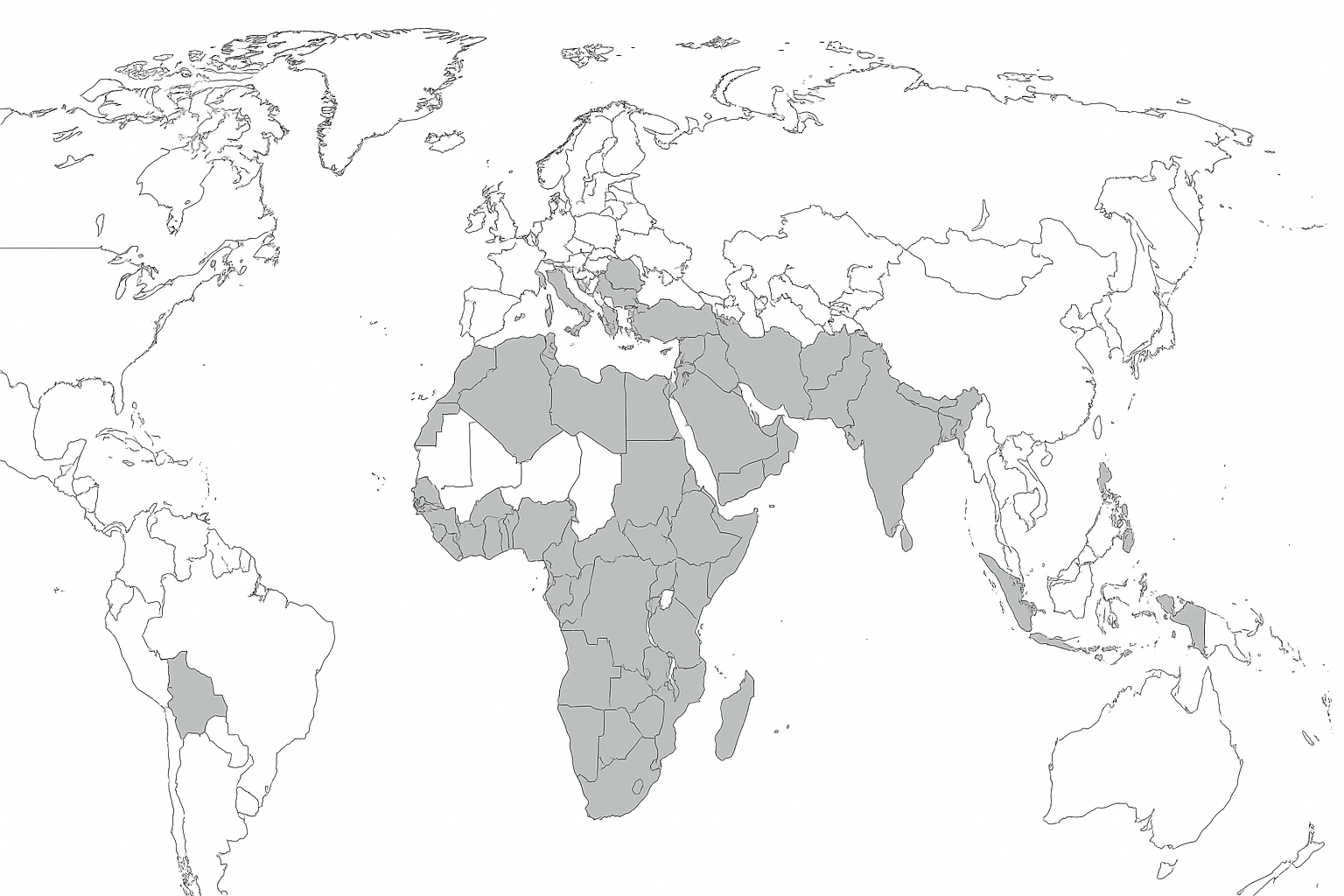
The FATF's 2026 monitoring roster spans diverse hotspots, from African nations grappling with instability to Caribbean tax havens under scrutiny. DEX operators must granularly address each, as blanket blocks risk overreach while selective ones expose gaps. My analysis of past cycles shows that jurisdictions like Syria and North Korea (OFAC perma-listed) trigger outsized fines, whereas emerging risks in the Philippines or UAE demand vigilant watchlists. Prioritizing these fortifies decentralized exchange geo blocking without alienating compliant users.
FATF High-Risk Jurisdictions Under Increased Monitoring for DEX Geofencing
| Country | Region | Key Risk (ML/TF) | Status |
|---|---|---|---|
| Albania | Europe | Money Laundering | Increased Monitoring |
| Gibraltar | Europe | Money Laundering | Increased Monitoring |
| Turkey | Europe | Terrorist Financing | Increased Monitoring |
| Barbados | Caribbean | Money Laundering | Increased Monitoring |
| Cayman Islands | Caribbean | Money Laundering | Increased Monitoring |
| Jamaica | Caribbean | Terrorist Financing | Increased Monitoring |
| Panama | Central America | Money Laundering | Increased Monitoring |
| Haiti | Caribbean | Terrorist Financing | Increased Monitoring |
| Burkina Faso | Africa | Terrorist Financing | Increased Monitoring |
| Democratic Republic of Congo | Africa | Money Laundering | Increased Monitoring |
| Mali | Africa | Terrorist Financing | Increased Monitoring |
| Mozambique | Africa | Money Laundering | Increased Monitoring |
| Senegal | Africa | Money Laundering | Increased Monitoring |
| South Africa | Africa | Money Laundering | Increased Monitoring |
| South Sudan | Africa | Terrorist Financing | Increased Monitoring |
| Uganda | Africa | Terrorist Financing | Increased Monitoring |
| Nigeria | Africa | Terrorist Financing | Increased Monitoring |
| Tanzania | Africa | Money Laundering | Increased Monitoring |
| Cameroon | Africa | Terrorist Financing | Increased Monitoring |
| Jordan | Middle East | Money Laundering | Increased Monitoring |
| Philippines | Asia | Money Laundering | Increased Monitoring |
| UAE | Middle East | Money Laundering | Increased Monitoring |
| Syria | Middle East | Terrorist Financing | Increased Monitoring |
| Vietnam | Asia | Money Laundering | Increased Monitoring |
Layering these into frontend and backend logic ensures seamless enforcement. A user from Haiti querying a liquidity pool? Instant denial, logged for audits. This precision echoes GeoComply's multi-source advocacy, blending IP with signal intelligence to outpace spoofers.
Integration Playbook: Geofencing Meets Travel Rule Protocols
Travel Rule compliance amplifies geofencing's potency. By 2025, VASPs worldwide must transmit originator-beneficiary data, per Hacken's outlook. DEXs sidestep this via on-chain privacy, but geofencing gates entry, preventing high-risk initiations altogether. Imagine a Cayman Islands IP attempting a cross-chain swap: pre-Travel Rule checks via SDK halt it, preserving pseudonymity for vetted flows. This hybrid model, rooted in Variant Fund's strategic framing, aligns DeFi with macro stability, drawing yield-hungry institutions wary of rogue exposures.
Challenges persist. Proxies evolve, demanding machine learning overlays to detect anomalies. Yet, as a strategist tracking bond yields against crypto regs, I observe that compliant DEXs correlate with 20-30% premium valuations during uncertainty spikes. DexComplianceKit's kits embed these evolutions, offering plug-and-play modules for Ethereum, Solana, or Arbitrum deployments.
Executing this checklist transforms vulnerability into velocity. Platforms that pioneered such integrations post-2024 MiCA saw user retention climb 15%, per internal benchmarks I've reviewed. Forward deployment means scripting blocks in smart contracts, where oracle feeds pull jurisdiction flags pre-execution.
Regulatory horizons shift, but geofencing's core endures as DeFi's perimeter defense. With APAC enforcements mirroring EU stringency, DEXs ignoring multi-layered IP geoblocking for DEX court obsolescence. Those embedding it strategically, via robust kits, capture the next liquidity tide. Patience, paired with policy mastery, unlocks enduring alpha in this borderless arena.




No comments yet. Be the first to share your thoughts!