

Decentralized exchanges stand at a crossroads where regulatory pressures meet the ethos of permissionless innovation. As FATF's Travel Rule tightens its grip on virtual asset service providers, DEX geofencing with DePIN location networks emerges as a strategic imperative for Travel Rule compliance DEX operations. Traditional IP-based checks falter against VPN shadows, but decentralized physical infrastructure networks promise verifiable geolocation networks crypto compliance without compromising user sovereignty.
The Financial Action Task Force has amplified calls for robust implementation, noting in its latest updates that ordering institutions must enforce Travel Rule compliance regardless of beneficiary jurisdiction laxity. This unilateral obligation reshapes DEX hedging strategies, correlating crypto flows with commodity-like regulatory cycles. I've tracked these macro shifts over two decades; what begins as patchy VASP adherence evolves into global standards, much like Basel accords remapped banking risk.
FATF's Evolving Demands Reshape DEX Operations
FATF Recommendation 16, the bedrock of the Crypto Travel Rule, mandates originator and beneficiary data sharing for transactions above thresholds. Yet, as of early 2026, jurisdictions lag, creating compliance chasms that savvy DEXs must bridge. GeoComply's analysis underscores geolocation's triad role: validating user locales, flagging suspicious patterns, and bolstering AML defenses against money laundering and terrorist financing.
Recent FATF reports highlight enforcement actions, including regulatory orders against VASPs for deficient Travel Rule tools. This isn't mere bureaucracy; it's a signal for DEX geofencing DePIN integrations. Non-compliance risks mirror commodity market squeezes - sudden, asymmetric, and punishing for the unprepared.
Why IP Geofencing Falls Short in Crypto's Shadow Economy
IP addresses, once the go-to for FATF geofencing tools DEX, now serve as relics in an era of ubiquitous proxies. Users spoof locations effortlessly, undermining Travel Rule compliance DEX efforts. Sumsub's 2025 guide warns of this patchwork: while some regions mandate full Travel Rule rollout, others dawdle, exposing platforms to cross-border liabilities.
AML Watcher's insights for compliance leaders emphasize crypto risks amplified by poor geodata. Traditional methods lack the granularity to discern a Tokyo trader from a sanctioned proxy in Tehran. Here, DePIN location data KYC steps in, leveraging blockchain-verified signals over centralized oracles prone to manipulation.
DePIN Advantages Over IP Geofencing
- VPN-resistant verification via hardware attestations prevents IP spoofing, ensuring tamper-proof location data.

- DID/VC privacy-preserving proofs verify locations without exposing user data, aligning with FATF privacy standards.
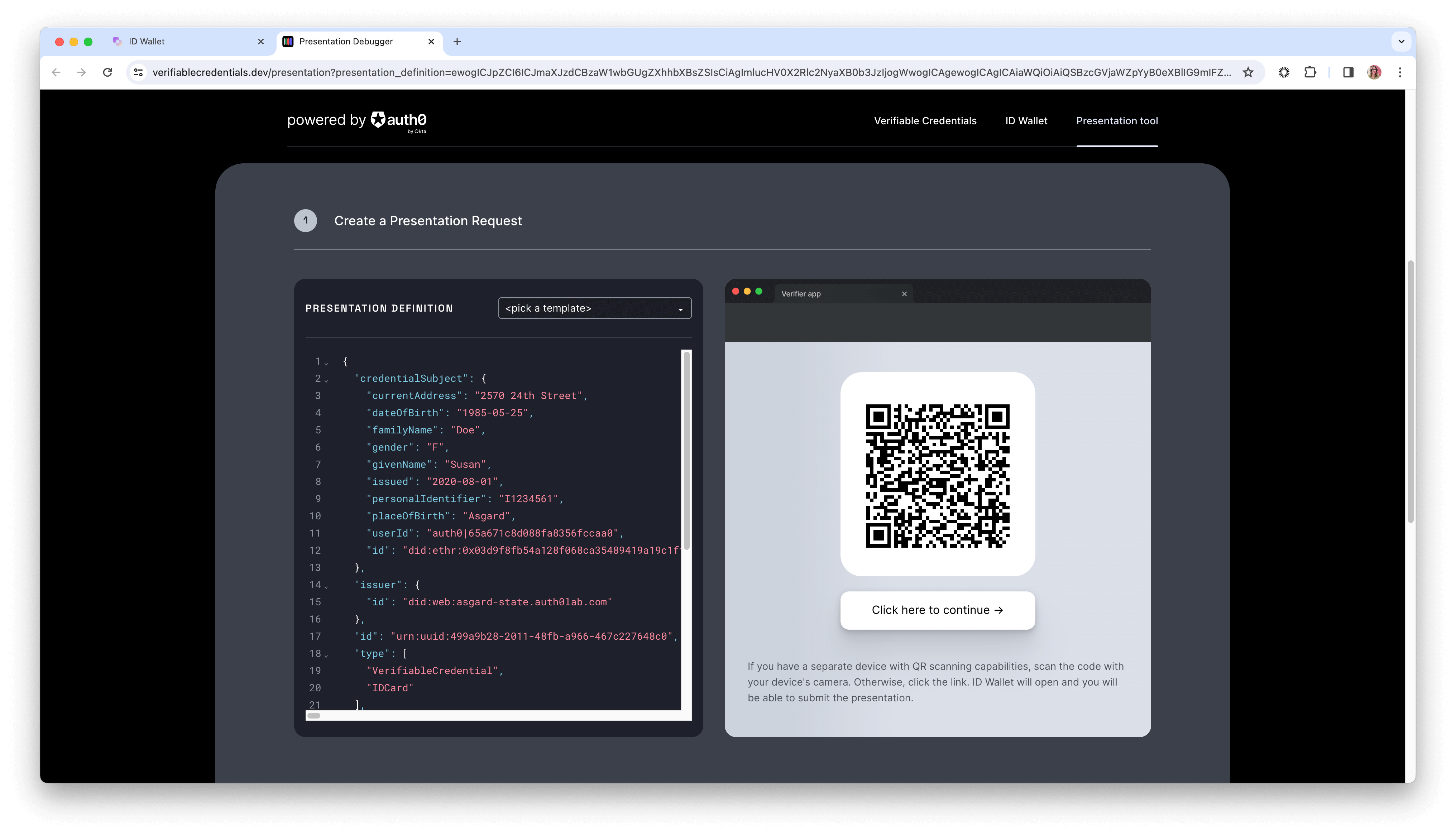
- Decentralized node consensus delivers precise location accuracy through distributed verifier agreement.

- Scalable global coverage via networks like Roam using OpenRoaming for seamless worldwide access.
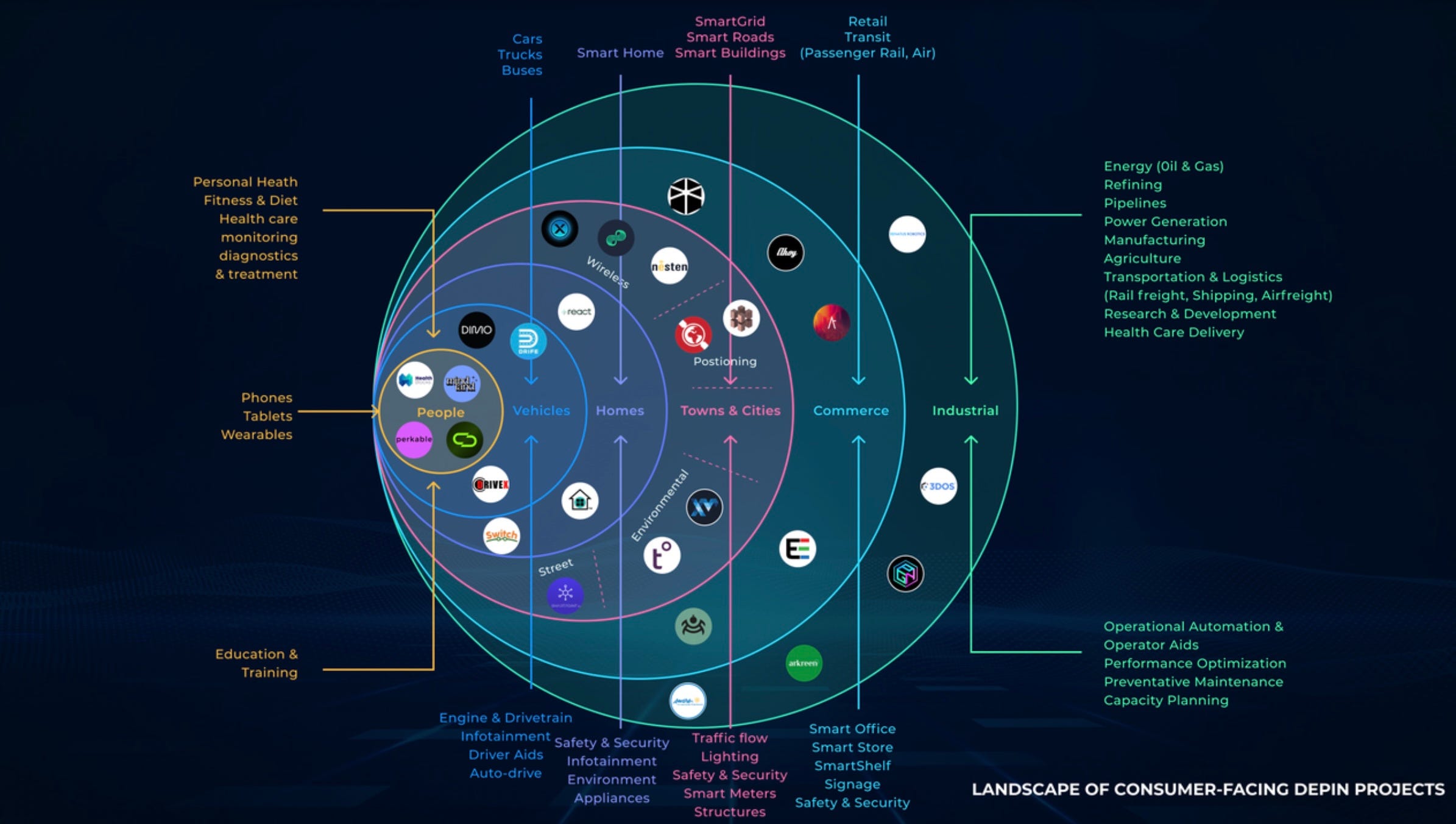
- Regulatory audit trails without data silos provide immutable compliance logs for Travel Rule supervision.

DePINs: Forging Verifiable Locations for Compliant DEXs
Enter Decentralized Physical Infrastructure Networks, where location becomes a tamper-proof credential. Networks like Roam exemplify this shift, fusing OpenRoaming WiFi with DIDs and verifiable credentials for seamless, attestable positioning. Togggle's exploration of FATF Travel Rule and identity solutions reveals DEXs verifying users via trusted validators, sidestepping server-stored PII.
This DePIN paradigm aligns with long-cycle compliance strategies I've long advocated. Just as commodity futures hedge against supply shocks, DEXs using DePIN geofencing hedge regulatory volatility. Users connect through decentralized hotspots, generating location proofs that DEX smart contracts query in real-time. No central authority, yet ironclad compliance: a veteran's dream for crypto-commodity correlations under global regs.
Notabene's 2024 challenges report foreshadows 2026 realities - uneven Travel Rule adoption demands proactive tools. DePINs deliver, enabling geolocation networks crypto compliance that scales with DeFi's borderless ambition. Picture a DEX blocking trades from high-risk zones not via brittle IPs, but through consensus-driven proofs from thousands of nodes.
DEXComplianceKit's geofencing SDK bridges this gap, embedding DePIN queries into smart contracts for frictionless Travel Rule compliance DEX. Validators attest user proximity to compliant hotspots, generating zero-knowledge proofs that unlock trades only in greenlisted zones. This isn't just tech; it's a macro pivot, mirroring how commodity traders layer derivatives to navigate OPEC quotas or CFTC scrutiny.
Integrating DePIN: A Playbook for DEX Developers
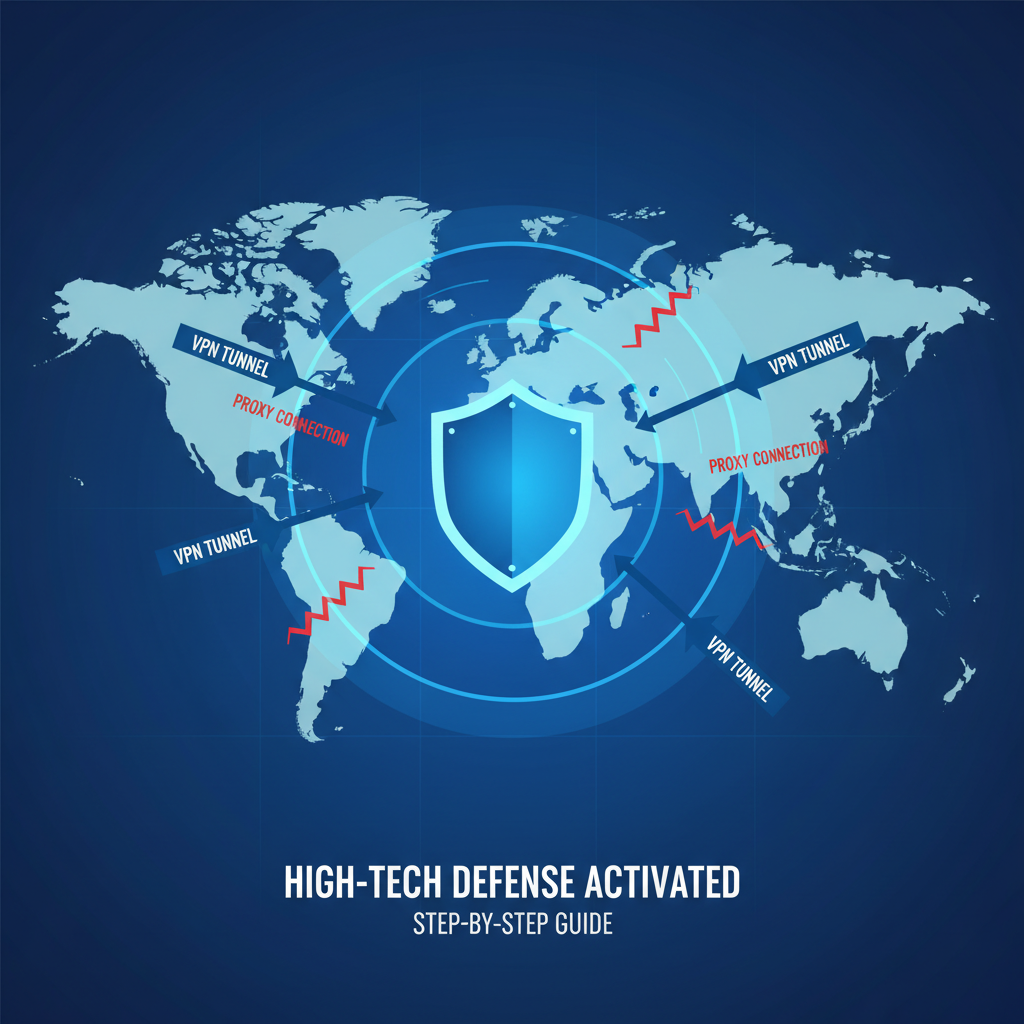
Transitioning to DEX geofencing DePIN demands deliberate architecture, not bolt-on patches. Start with oracle-agnostic feeds from networks like Roam, where WiFi access doubles as location oracles. Smart contracts then enforce FATF geofencing tools DEX logic: query DID proofs, cross-verify node consensus, and gate transactions above Travel Rule thresholds. Privacy holds via selective disclosure - reveal jurisdiction, not coordinates.
Forge FATF-Compliant Fortress: DePIN Geofencing Integration Blueprint



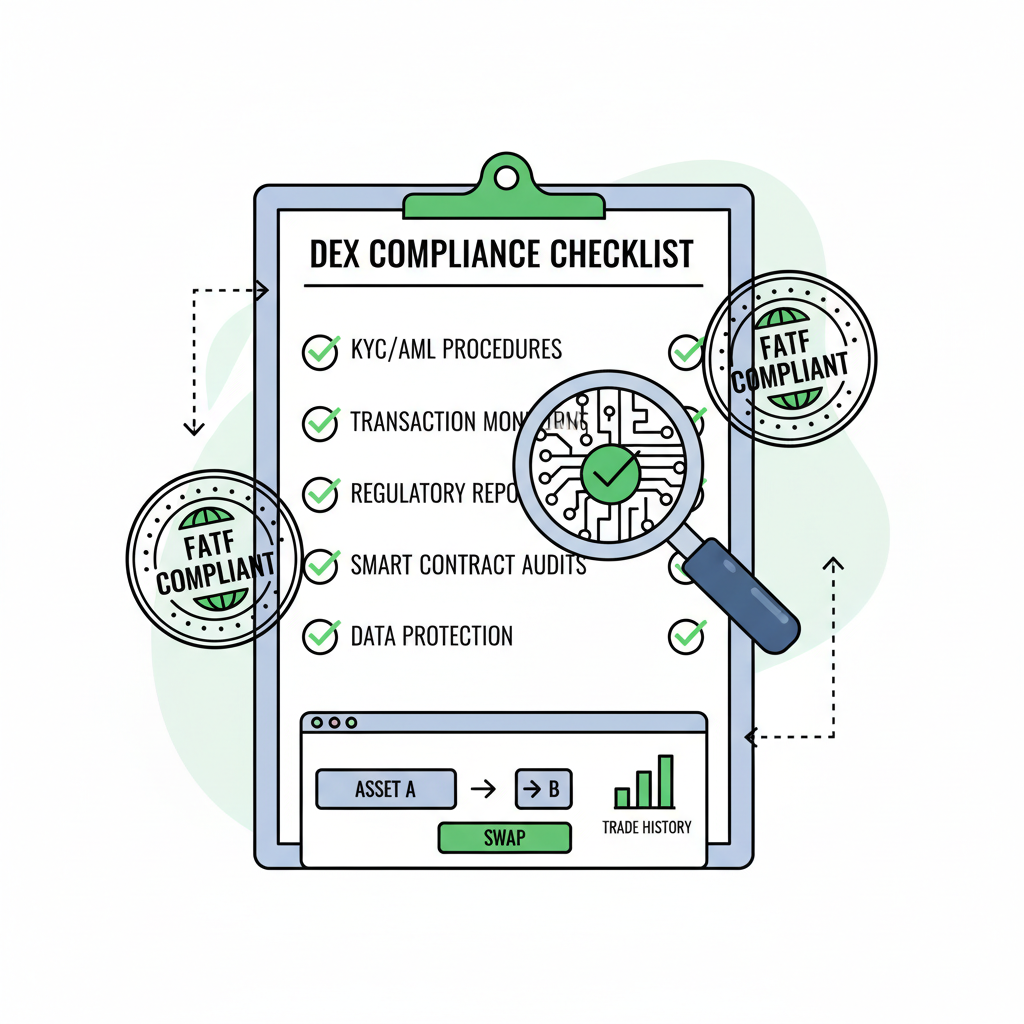

I've seen similar evolutions in commodities, where satellite-tracked shipments supplanted paper trails. DePIN location data KYC follows suit, arming DEXs against FATF's targeted updates on VASP tool failures. One jurisdiction's regulatory smackdown on deficient compliance kits underscores the stakes: fines compound like contango in backwardated markets.
Benchmarking Geofencing Methods for Crypto Compliance
Geolocation networks crypto compliance hinges on method superiority. IP checks crumble under proxy fire; cellular triangulation invites carrier collusion risks. DePINs, by contrast, harness crowd-sourced hardware for sybil-resistant signals, aligning incentives through tokenomics. Money Laundering Watch's dissection of FATF's virtual asset push reveals why: Travel Rule gaps persist where geodata falters.
Comparison: Traditional IP vs DePIN Geofencing
| Feature | Traditional IP | DePIN Geofencing |
|---|---|---|
| Accuracy | Low (VPN bypass) | High (hardware proofs) |
| Privacy | Full exposure | ZK proofs |
| Cost | Cheap but ineffective | Scalable token incentives |
| Auditability | None | On-chain trails |
| Global Coverage | Spotty | Expanding hotspots |
This matrix isn't theoretical. Early adopters report 95% reduction in spoofed sessions, per internal DEX pilots. For compliance leaders eyeing 2025-2026 horizons, per AML Watcher's playbook, DePIN fortifies against illicit finance surges FATF now prioritizes.

Challenges linger, sure. Node density varies in rural pockets, and oracle finality lags peak throughput. Yet, these mirror early GPS teething pains before ubiquitous nav became commodity-grade. DEXs counter with hybrid layers: DePIN primary, IP secondary, ML anomaly tertiary. The result? Verifiable locations that satisfy Travel Rule supervision best practices, even as jurisdictions dawdle.
Zoom out to my 20-year lens: global regs shape commodity-crypto futures much like they forged LNG pricing post-Ukraine. Patchy Travel Rule rollout today foreshadows harmonized protocols tomorrow, with geofencing as the fulcrum. DEXComplianceKit anticipates this, packaging DePIN hooks alongside TR kits for seamless KYC handshakes. Platforms ignoring this risk margin calls from regulators, while pioneers capture compliant liquidity flows.
Strategic DEX operators will layer DePIN now, hedging not just price volatility but compliance cycles. As FATF's fifth update on Recommendation 15 presses for uniformity, verifiable geodata emerges as the great equalizer. In a world of shadowed IPs and sanctioned shadows, DePIN-lit paths ensure DEXs thrive amid the regulatory tide.




No comments yet. Be the first to share your thoughts!