
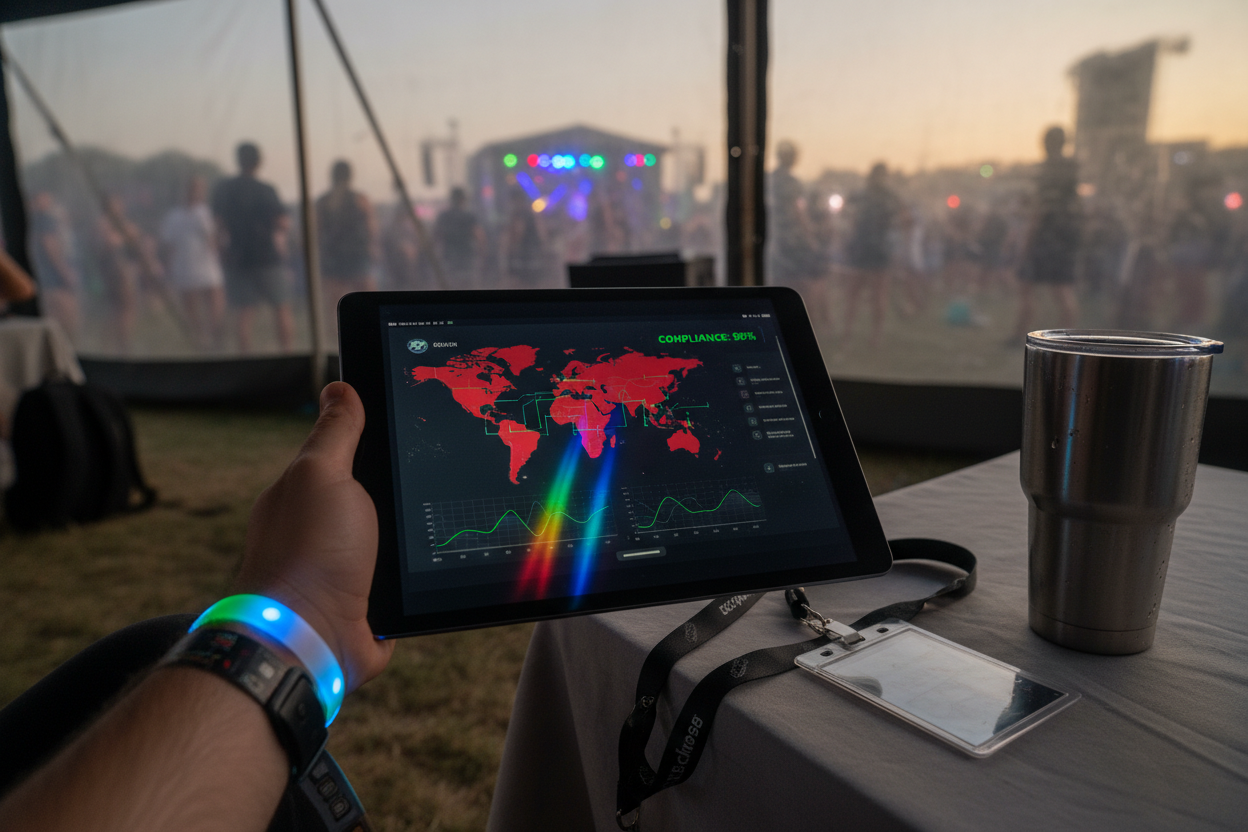
In the evolving landscape of decentralized finance, DEX platforms face mounting pressure to balance innovation with regulatory adherence. As of February 2026, geofencing has emerged as a critical tool for DEX geofencing, enabling operators to block access from high-risk countries and align with the Financial Action Task Force's (FATF) Travel Rule. This virtual boundary-setting not only mitigates legal risks but also fosters trust among institutional investors wary of compliance gaps.
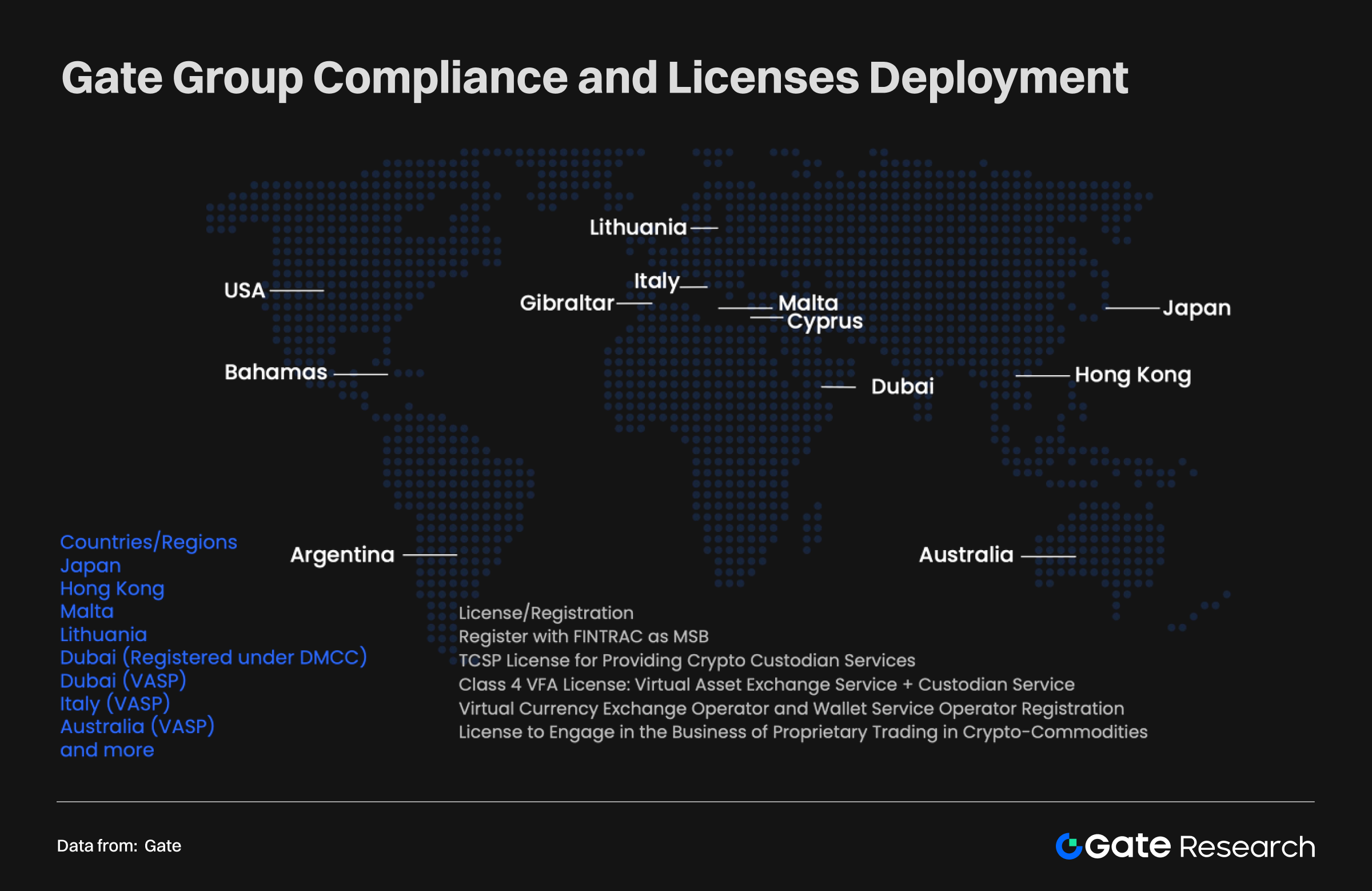
Geofencing leverages IP address analysis, GPS data, and device fingerprinting to enforce jurisdiction-specific restrictions. For DEXs, this means preventing trades from sanctioned regions like those under OFAC lists or FATF gray zones. Recent CFTC enforcement against platforms such as Opyn, Deridex, and ZeroEx underscores the stakes: unregistered leveraged products without robust KYC and AML controls drew severe penalties. DEX operators must now prioritize Travel Rule compliance DEX strategies to avoid similar fates.
Navigating FATF Travel Rule Challenges in DeFi
The FATF Travel Rule mandates that virtual asset service providers (VASPs) share originator and beneficiary information for transactions above certain thresholds. DEXs, operating without centralized intermediaries, struggle with this requirement. Traditional CeFi exchanges transmit data via protocols like TRP or IVMS 101; DEXs need decentralized equivalents. Here, geofencing decentralized exchanges acts as a frontline defense, halting transactions at the entry point rather than post-facto reconciliation.
Strategic implementation involves multi-layered verification. Basic IP geolocation suffices for broad blocks, but savvy users deploy VPNs or proxies. Advanced solutions from providers like GeoComply integrate multi-source data - WiFi signals, cellular triangulation, and behavioral analytics - to detect spoofing. Chainlink oracles further automate this via smart contracts, enforcing policies on-chain without compromising decentralization.
Key Geofencing Benefits for DEXs
- Reduced Regulatory Exposure: Blocks high-risk jurisdictions, mitigating CFTC enforcement risks as seen with Opyn, Deridex, and ZeroEx for inadequate AML/KYC.

- Enhanced Institutional Inflows: Attracts regulated institutions preferring compliant DEXs, driving greater liquidity and capital.
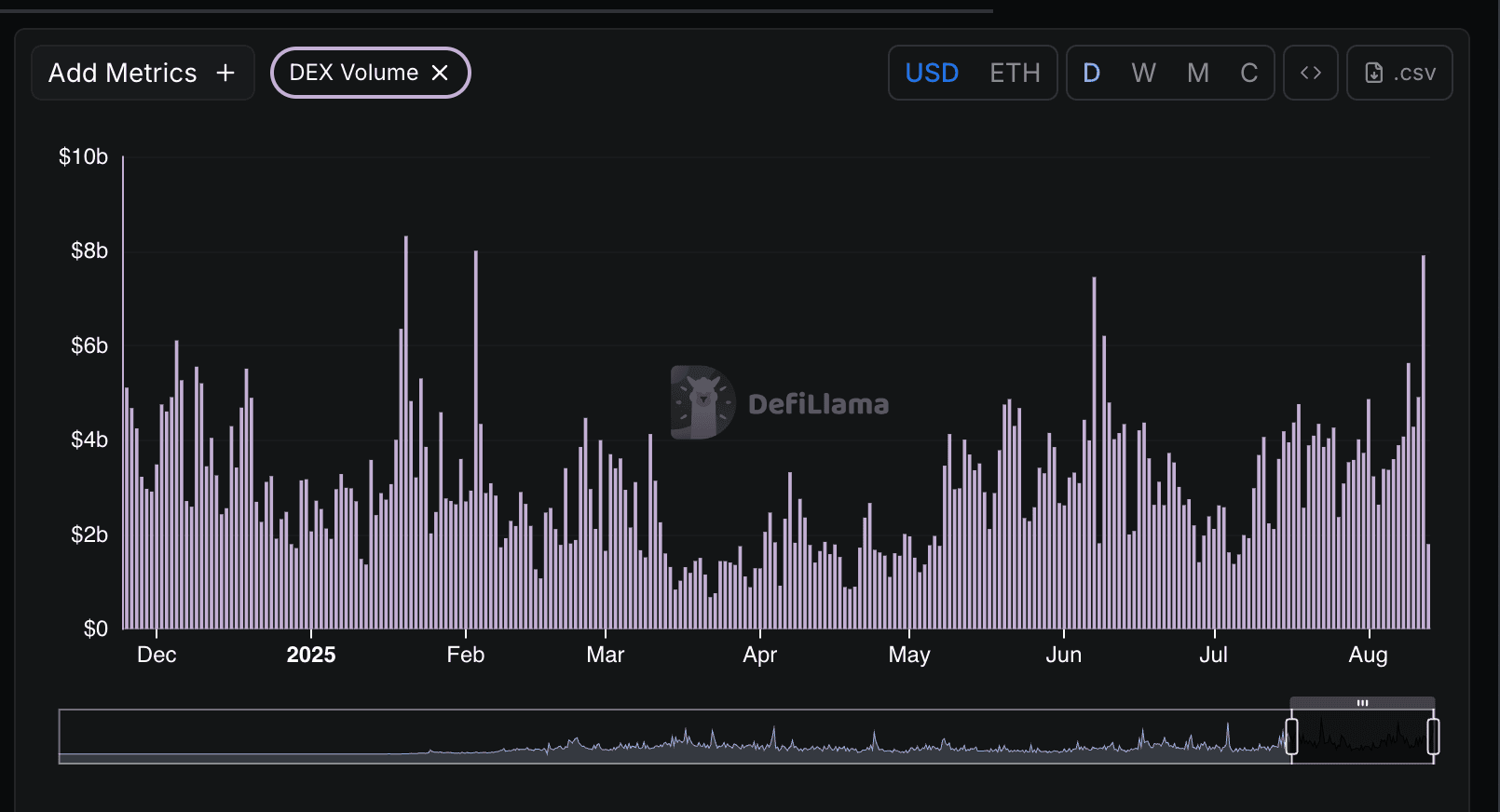
- Automated TR Enforcement: Leverages Chainlink oracles and smart contracts for FATF Travel Rule compliance without manual intervention.
- Spoofing Detection: Counters VPNs, GPS spoofing, and proxies via tools like Radar's fraud detection for robust geo-verification.
- Jurisdiction-Specific Features: Enables geo-fenced KYC/AML, data residency, and toggles per ChainUp's compliance framework.

From a macro perspective, these measures influence crypto adoption. Bond yields, sensitive to risk-off sentiment, correlate inversely with DeFi compliance lapses. Robust TR kits for DeFi signal maturity, potentially unlocking trillions in sidelined capital as regulators like FinCEN refine VASP definitions.
Enforcement Lessons from CFTC Actions
The CFTC's crackdown on DeFi protocols reveals a pattern: innovation unchecked by compliance invites scrutiny. Opyn offered tokenized options without registration; Deridex facilitated perpetuals sans oversight; ZeroEx enabled unmonitored swaps. Common threads? Absent geofencing and AML programs left platforms exposed to high-risk jurisdictions.
These cases pivot on leveraged products, but implications extend to spot DEXs. CFTC views many as unregistered exchanges if they exhibit indicia of centralization - front-end hosting, oracle dependencies, or liquidity provision. Pure on-chain DEXs like Uniswap v3 skirt some issues, yet front-ends hosted off-chain trigger VASP status. Geofencing, thus, becomes indispensable for crypto geofencing compliance 2026, segmenting access by user locale.
Operators should adopt modular kits: feature toggles by jurisdiction, data residency controls, and wallet screening. Variant Fund's guide emphasizes geofencing's role in holistic strategies, from entry denial to transaction monitoring. Sumsub and CryptoSwift offer TR solutions connecting 1,800 and VASPs, integrable via SDKs for seamless DEX deployment.
Overcoming Circumvention Tactics with Advanced Tech
VPNs and wallet hopping undermine naive geofencing. Radar's fraud detection counters this by flagging GPS spoofing, proxy chains, and device tampering. DEXs integrating such tools via SDKs - like DexComplianceKit's offerings - achieve layered defense. Smart contracts query oracles for real-time location verdicts, pausing executions from flagged zones.
Strategically, this positions DEXs for global scalability. High-risk blocks preserve low-risk market access, optimizing volume while minimizing fines. Patience in policy navigation yields dividends; as regs harmonize post-2026 MiCA expansions, compliant DEXs capture institutional flows others forfeit.
DexComplianceKit exemplifies this integration, offering SDKs that bundle geofencing with TR protocols, KYC hooks, and oracle feeds. Developers embed these modules to toggle features jurisdictionally, ensuring TR kits for DeFi without rebuilding core logic.
Layered Defense: From IP Blocks to Oracle-Verified Geofencing
Effective DEX geofencing demands progression beyond static IP checks. Layer one: coarse IP geolocation flags OFAC-listed nations. Layer two: device intelligence unmasks VPNs via anomaly detection - inconsistent latency patterns or blacklisted proxies. Layer three: oracle-augmented smart contracts query decentralized location proofs, pausing swaps if verdicts fail.
Chainlink's automation shines here, piping real-time geo-data into on-chain logic. A DEX contract might require: if (userLocation in highRiskZones) { revert(); }. This preserves pseudonymity for compliant users while erecting ironclad barriers. Radar. com's suite adds fraud context, sniffing out screen shares or tampered sensors that signal spoofing attempts.
Comparison of Geofencing and TR Solutions Providers
| Provider | Key Features | Best For |
|---|---|---|
| GeoComply | Multi-source data, Geofencing restrictions | CEX risk reduction |
| Radar | Spoofing detection (GPS, VPN/proxy, device tampering) | Fraud prevention |
| Sumsub | VASP integrations (1,800+ VASPs), Travel Rule protocols | TR messaging |
| Shyft | Veriscope Network for VASP Travel Rule data transmission | VASP networks |
| DexComplianceKit | DEX-specific kits, Smart contract SDKs | DeFi geofencing |
Selecting tools hinges on DEX architecture. Pure AMMs benefit from lightweight oracles; indexed DEXs with front-ends need full-stack SDKs. My 18 years tracking macro shifts affirm: compliant platforms weather enforcement waves, drawing yields-hungry institutions sidelined by uncertainty.
Best Practices Checklist for DEX Operators
Operators often overlook iterative testing, leading to false positives that alienate legitimate users. Start with sandbox simulations mimicking VPN traffic, then audit oracle uptime. Modular design allows jurisdiction-specific toggles - enable derivatives in Singapore, block in Russia.
Post-deployment, analytics track block rates and volume shifts. Low single-digit rejection rates signal precision; spikes prompt recalibration. ChainUp's blueprint stresses data-residency alongside geo-fences, vital as GDPR analogs expand to crypto.

Enforcement evolves too. FinCEN's VASP clarifications and MiCA's DeFi carve-outs reward proactive stances. Platforms ignoring geofencing risk delistings from aggregators or wallet integrations. Conversely, pioneers like those leveraging DexComplianceKit position for dominance, blending decentralization with diligence.
Global regs harmonize unevenly - EU tightens, Asia fragments, US litigates. DEXs geofencing smartly navigate this, preserving core markets while ceding fringes. Bond traders note: crypto compliance correlates with treasury stability, as risk premia compress for vetted assets.
Forward thinkers embed compliance natively, not as afterthoughts. Virtual borders evolve with tech - quantum-resistant proofs loom - but principle endures: policy foresight secures alpha. DEX operators heeding this today harvest tomorrow's liquidity tides.




No comments yet. Be the first to share your thoughts!