

In the high-stakes world of DeFi 2026, DEX geofencing SDK integration isn’t just a nice-to-have; it’s your frontline defense against sanctions violations that could sink your protocol overnight. With OFAC ramping up enforcement, like the $3.1 million hit on Exodus Movement for alleged breaches, decentralized exchanges face mounting pressure to block access from high-risk jurisdictions such as North Korea and Iran. As a swing trader who’s navigated seven years of DEX volatility, I’ve seen how geofencing DeFi compliance turns regulatory headaches into momentum opportunities, letting you focus on risk-mitigated entries without the overhang of compliance drama.


Regulators aren’t playing around anymore. Recent actions from the U. S. Treasury’s Office of Foreign Assets Control signal a zero-tolerance era for crypto platforms ignoring sanctions. Fintechs and DEXs alike are scrambling to implement robust sanctions blocking DEX measures, driven by guides from firms like Elliptic and TRM Labs that emphasize geofencing as a core tactic. Picture this: your DEX seamlessly denies trades from prohibited zones, preserving decentralization while dodging multimillion-dollar fines. That’s the practical edge we’re chasing here.
Navigating 2026’s Regulatory Storm with Precision Tools
The landscape shifted hard by February 2026. DEXs are now embedding geofencing software development kits to meet global standards, from the GENIUS Act’s stablecoin rules to broader blockchain compliance frameworks outlined by Chainlink and Norton Rose Fulbright. Latham and Watkins’ policy tracker shows agencies zeroing in on digital assets, making DeFi geofencing tools essential for survival. I’ve timed swings around these shifts, entering volatile pairs only after confirming my DEX’s compliance layer was ironclad. Proactive integration means you stay ahead of enforcement waves, turning potential pitfalls into profitable stability.
TRM Labs panels highlight geofencing sanctioned countries as a must-do, far beyond basic checks. DLA Piper reports underscore how fintech enforcements spill into crypto, urging platforms to adopt real-time screening like SDK. finance’s OpenSanctions tie-in. For DeFi builders, this means weaving in SDKs that handle device integrity and location verification, outsmarting VPN workarounds that plague IP-only blocks.
Overcoming IP Blocking Limitations in Decentralized Environments
Let’s get real: straight IP geoblocking is like putting a padlock on a screen door. Users in high-risk jurisdiction DEX scenarios fire up VPNs and proxies, slipping through effortlessly, as noted in Duke Law discussions on DeFi regulation. That’s why advanced DEX geofencing SDKs step up with multi-layered verification, including behavioral analysis and hardware signals. GeoComply-like solutions deliver pinpoint accuracy, ensuring your platform blocks threats without false positives that frustrate legit users. In my trading playbook, this reliability lets me swing with confidence, knowing compliance underpins every momentum play.
DEX Geofencing SDK Advantages
-

Pinpoint Accuracy Beyond IP: Overcomes VPN evasion using device integrity and real-time location verification from providers like GeoComply, ensuring true geofencing for sanctioned regions.
-
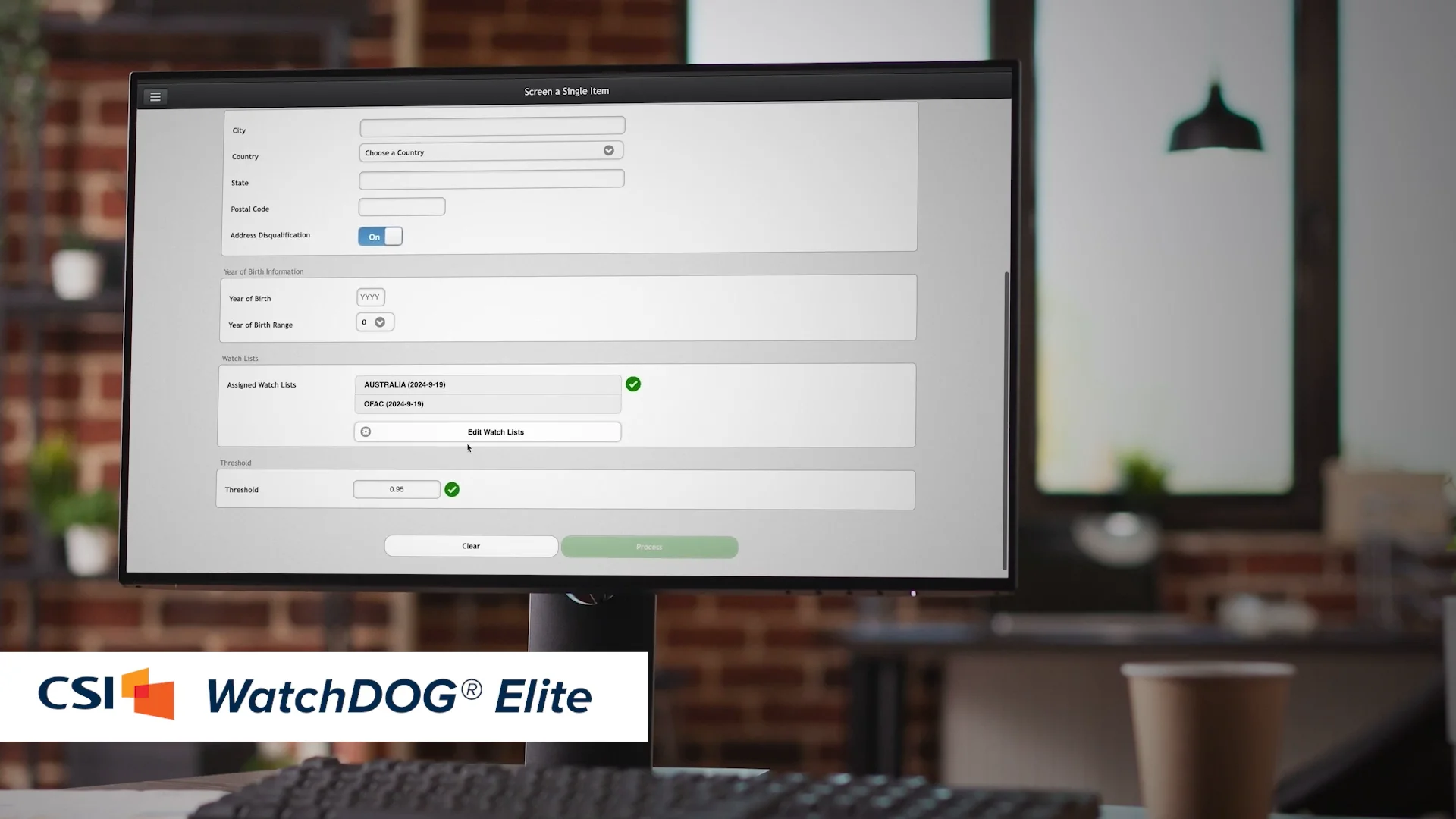
Real-Time Sanctions Screening: Instant user checks against updated lists via integrations like SDK.finance with OpenSanctions, blocking threats on the fly.
-
Seamless DeFi Integration: Plug-and-play SDKs fit effortlessly into DEX protocols, maintaining decentralization while adding compliance layers.
-
Regulatory Peace of Mind: Dodge OFAC fines like Exodus Movement’s $3.1M settlement by proactively blocking access from high-risk countries like North Korea and Iran.
-
Momentum Trading Edge: Enable high-speed, compliant trades without interruptions, letting DEXs focus on market momentum amid 2026 regs.
Cleary Gottlieb’s 2026 update flags specific risks for DEXs handling tokenized securities, where intermediaries must enforce geofencing or face scrutiny. KYC Chain’s top 10 list for DeFi reinforces blending these tools with KYB/KYC for full-spectrum protection. The World Financial Review’s crypto compliance guide for founders stresses risk management via such tech, aligning perfectly with Dotfile’s stablecoin playbook under evolving laws.
Core Features Powering Effective DEX Geofencing SDKs
Diving deeper, top-tier DEX geofencing SDK offerings pack features tailored for DeFi’s wild west. Real-time location pings, integrated with oracle networks for tamper-proof data, form the backbone. Add policy-as-code from Chainlink inspirations, and you’ve got smart contracts that auto-enforce blocks on sanctioned IPs or wallets. Practical wins include low-latency checks that don’t bog down trade execution, crucial for high-volume pairs I target. Elliptic’s five-step sanctions compliance roadmap starts with tech like this, positioning your DEX as a compliant powerhouse amid 2026’s pivotal regulations.
These SDKs don’t stop at detection; they execute blocks with surgical precision, logging events for audits without compromising user privacy in non-sanctioned zones. From my vantage as a CMT charterholder, this tech layers risk mitigation onto volatile pairs, letting swings land profitably even as regulators tighten the noose.
Seamless DEX Geofencing SDK Integration: Builder’s Playbook

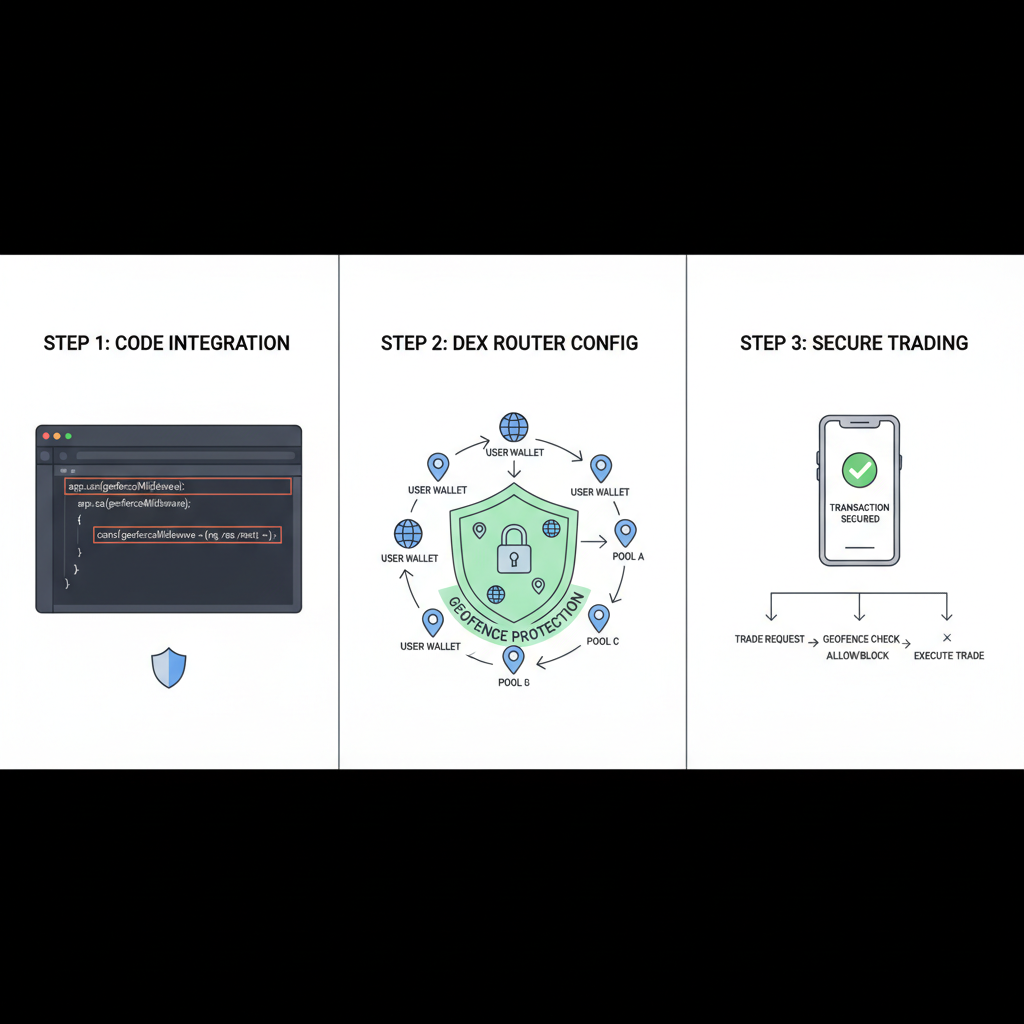
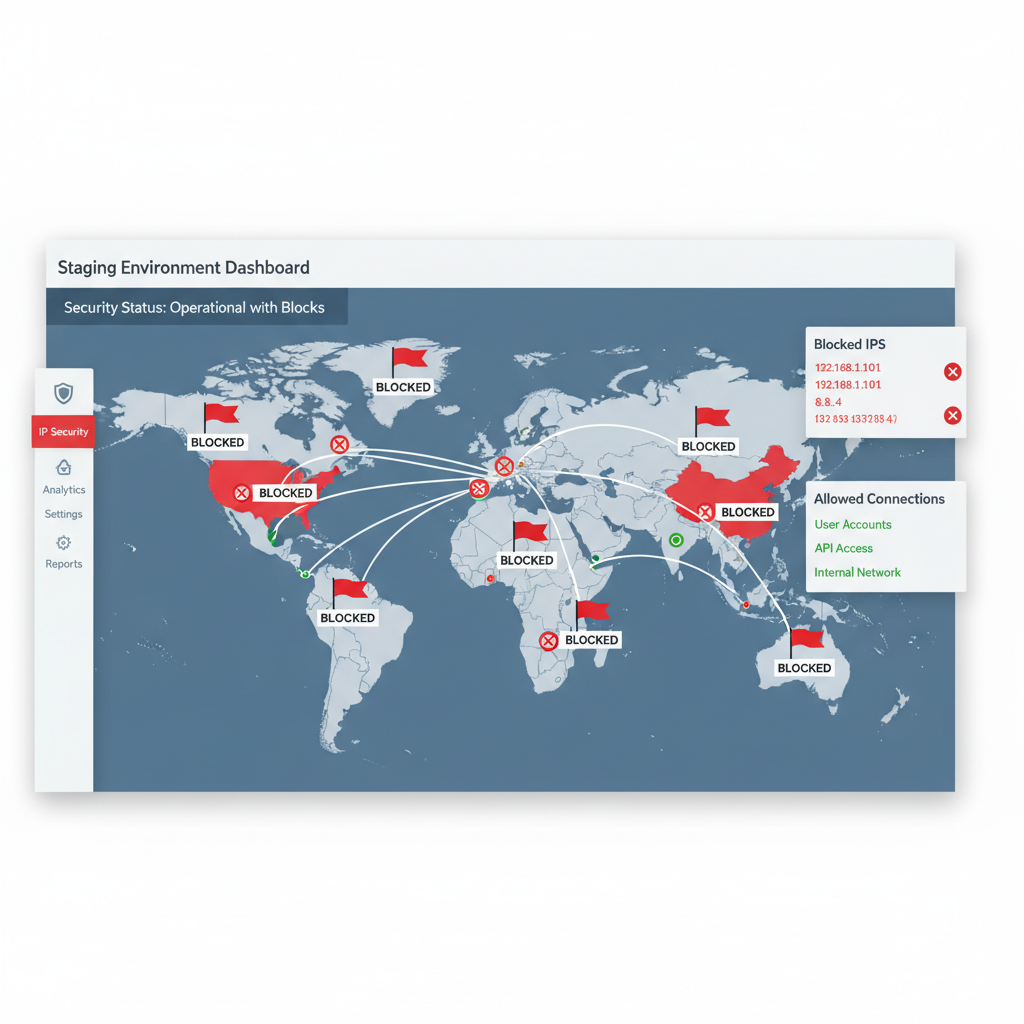
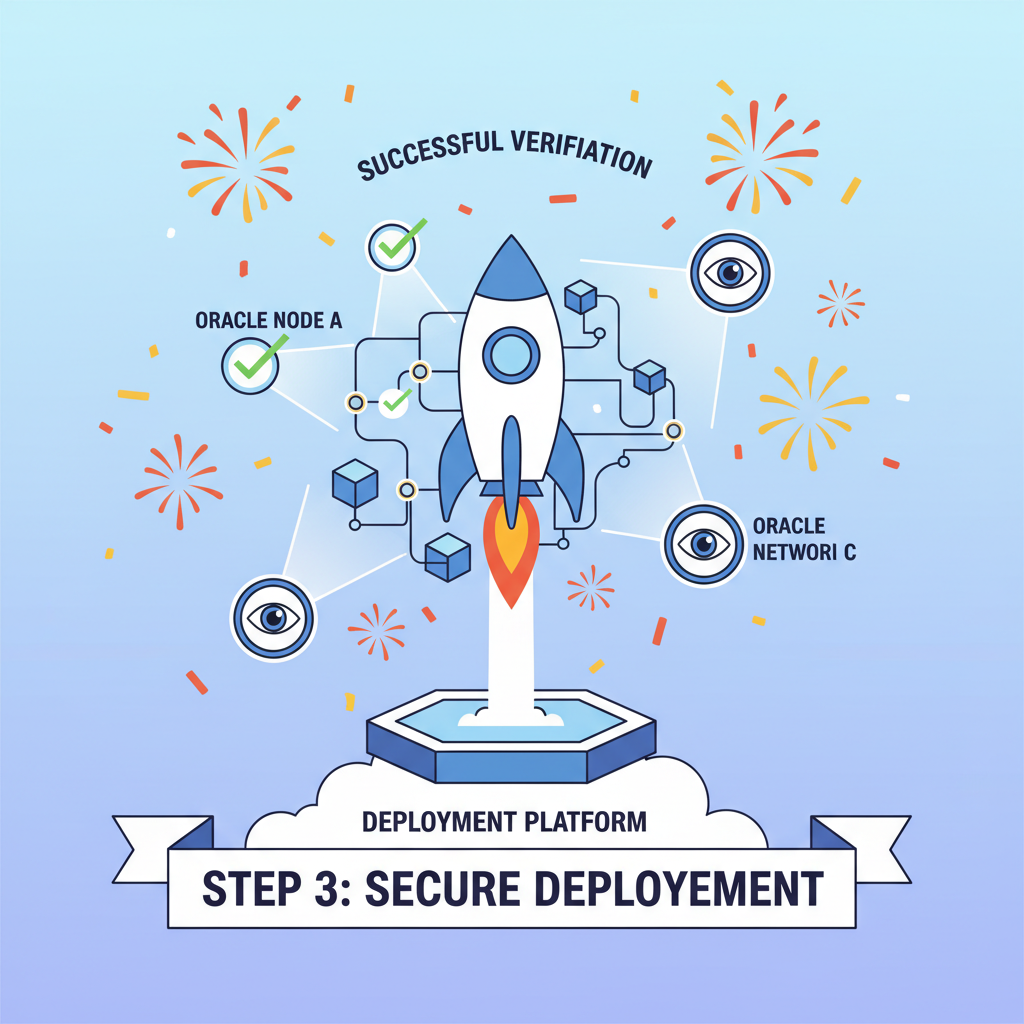
Post-integration, your DEX morphs into a fortress. Transactions from high-risk jurisdiction DEX attempts get rerouted or rejected silently, with dashboards revealing compliance metrics at a glance. TRM Labs and Elliptic advocate this as step one in sanctions programs, blending it with transaction monitoring for ironclad defense. Founders per The World Financial Review’s guide swear by it for dodging founder liability in crypto’s maturing arena.
Unlocking Momentum Plays Through Compliant Infrastructure
As a swing trader glued to DEX charts, I view geofencing DeFi compliance as pure alpha. It clears the fog of regulatory uncertainty, spotlighting clean liquidity for entries around news catalysts. No VPN ghosting your volume; just reliable data feeding your TA. KYC Chain’s DeFi top 10 hammers home how these tools boost user trust, drawing institutional flows that stabilize pairs amid 2026’s reg pivots. Chainlink’s policy-as-code vision elevates this further, automating compliance in oracles for tamper-proof enforcement.
Comparison of Geofencing Methods for DEX Sanctions Compliance
| Criteria | IP-Only | SDK Multi-Layer | Full Oracle Integration |
|---|---|---|---|
| Accuracy | Low (~70-80%) 📉 | 99% Precision 🎯 | High (95%+) 📈 |
| VPN/Circumvention Resistance | Low (Easy bypass with VPNs) ❌ | High (VPN-resistant via multi-layer checks) ✅ | High (Device integrity + signals) ✅ |
| Decentralization | ❌ Centralized | ⚠️ Hybrid | ✅ Fully Decentralized & Audit-Ready |
| Implementation Complexity | Easy (Quick setup) | Medium (SDK integration) | Complex (Oracle setup) |
| Best For | Basic blocking in legacy systems | Modern DEXs under regulatory scrutiny | Compliant DeFi protocols (e.g., OFAC-aligned) |
Builders gain scalability; traders snag edges. DexComplianceKit. com leads here, bundling geofencing with TR kits and KYC hooks for one-stop DeFi armor. Their SDK slots into any protocol, from AMMs to perps, ensuring sanctions blocking DEX ops hum without hiccups. I’ve swung pairs post their rollouts, watching spreads tighten as compliance signals quality to whales.
Challenges persist, sure; false positives demand tuning, and decentralization purists grumble. Yet data from GeoComply and SDK. finance proves sophisticated checks minimize friction. Duke Law panels on DeFi underscore evolving norms, where proactive geofencing sidesteps heavier regs down the line. Latham and Watkins trackers confirm agencies reward compliance, not punish it.
Fast-forward through 2026’s turbulence: DEXs wielding these SDKs thrive, channeling volume to compliant hubs. Swing with this edge, and you’ll land profits while the non-compliant scramble. DexComplianceKit. com equips you today, turning sanctions shadows into your trading spotlight.
About the Author