

DeFi developers, picture this: your DEX is humming along, liquidity pools filling up, but suddenly regulators knock because users from sanctioned regions are swapping tokens. Enter DEX geofencing, the virtual fence that keeps high-risk jurisdictions out while letting compliant traders in. In 2026, with FATF’s Travel Rule tightening the screws on VASPs, tools for geoblocking DeFi aren’t just nice-to-haves; they’re your shield against fines and shutdowns.


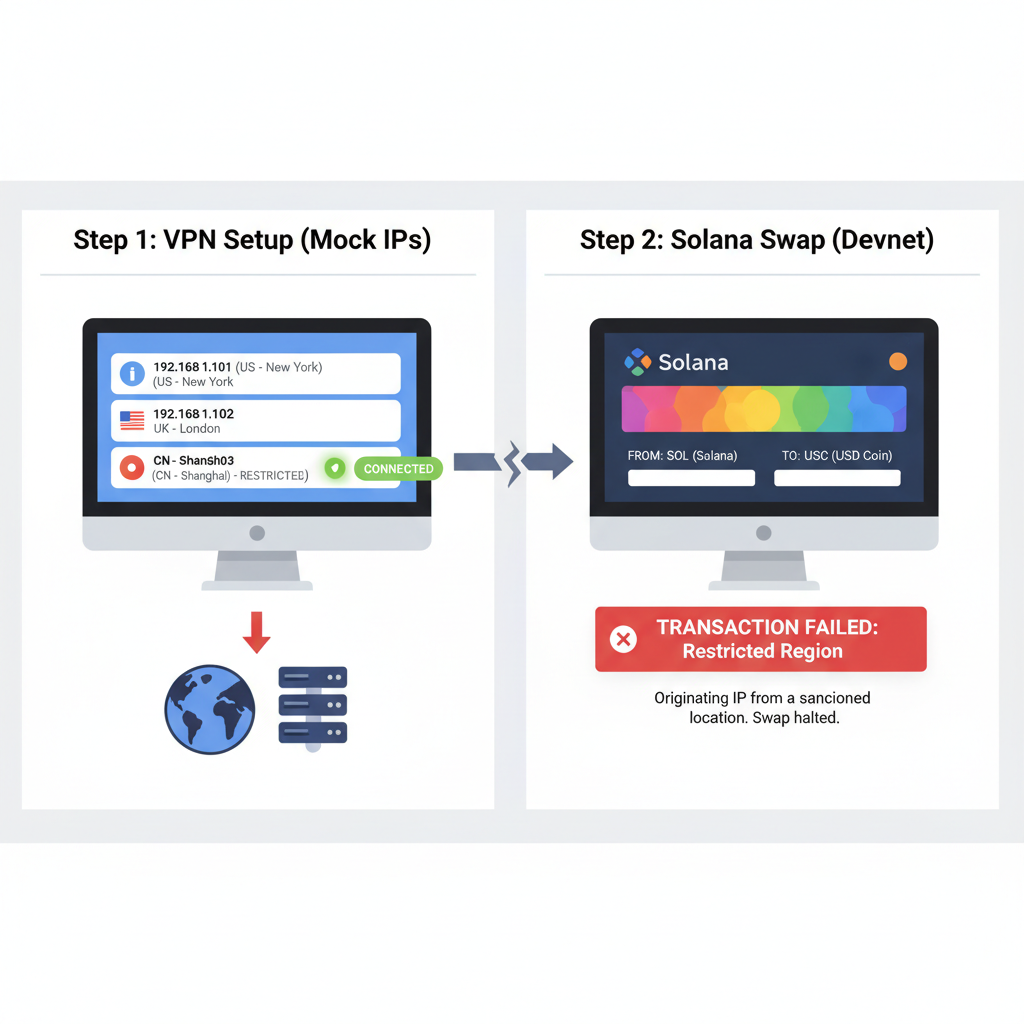
We’ve seen centralized exchanges like Binance lock down U. S. features, but DEXs on chains like Solana face unique hurdles. Public blockchains mean anyone can interact, yet crypto regional compliance demands precision. The updated landscape shows DEXs weaving geofencing into smart contracts via oracles and even Zero-Knowledge Proofs to verify locations without doxxing users. Still, the big pain point? VPN spoofing. Users mask IPs effortlessly, turning your blocks into sieves.
From DexComplianceKit’s insights on Solana DEX compliance to Variant Fund’s practical guide, the message is clear: basic IP checks fail against proxies and VPNs. That’s where advanced DEX VPN spoofing prevention shines, layering device intel, risk scoring, and oracle-fed geo-data.
Travel Rule Geofencing: 2026’s Compliance Imperative for DEXs
Let’s break it down educationally. The FATF Travel Rule, as detailed in Didit and BlockEden guides, mandates VASPs share transaction data. For DEXs flirting with VASP status, this means halting swaps from places like sanctioned countries or high-risk zones. Sumsub notes U. S. FinCEN rules hit full stride in 2025, spilling into 2026 with no mercy. InnReg’s 2026 update stresses sharing customer details on every crypto transfer, pushing DEXs toward proactive blocks.
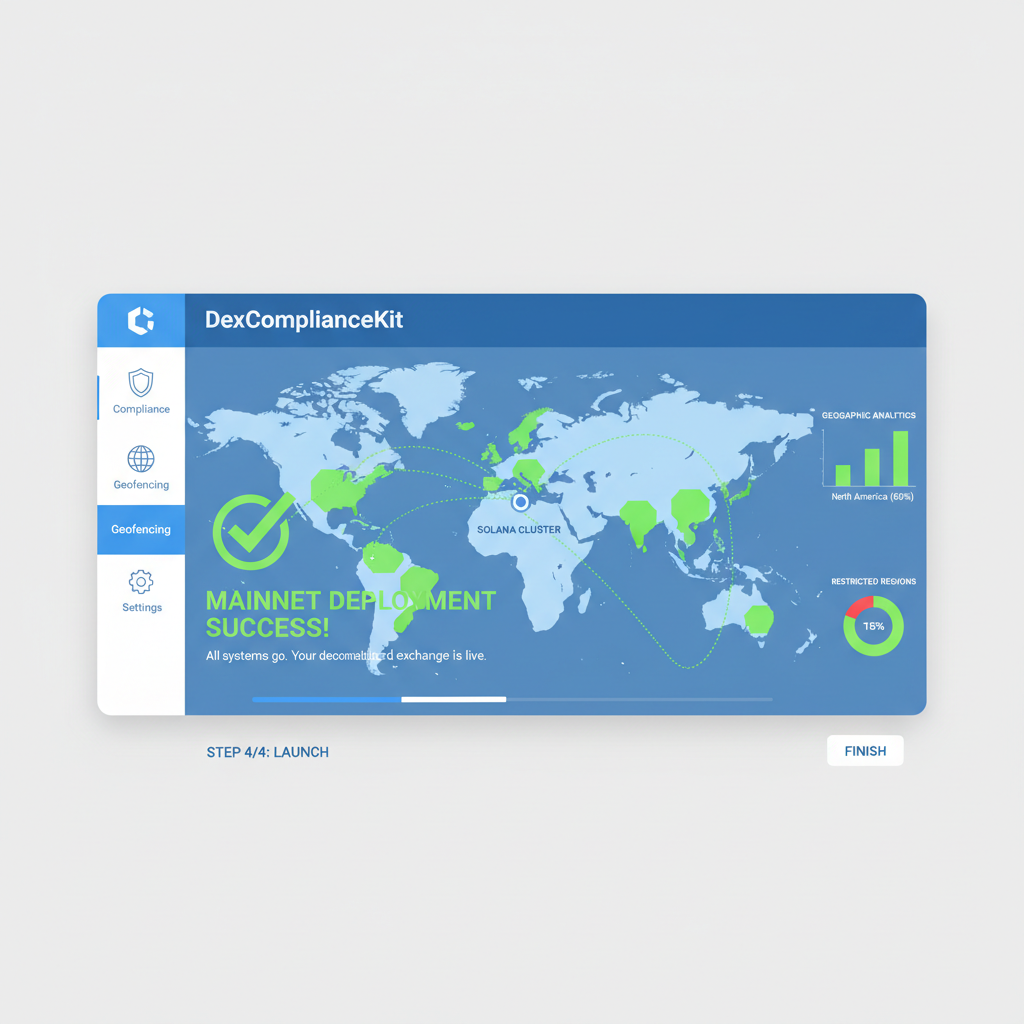
Geofencing tools create those virtual barriers, often at the protocol level. DexComplianceKit emphasizes denying swaps from restricted regions during token launches, a survival tactic amid fragmented liquidity pools warned about in JD Supra alerts. Without it, you risk pool splits or worse, enforcement actions. I advise DEX builders to prioritize Travel Rule geofencing early; it’s scalable and preserves UX for allowed users.
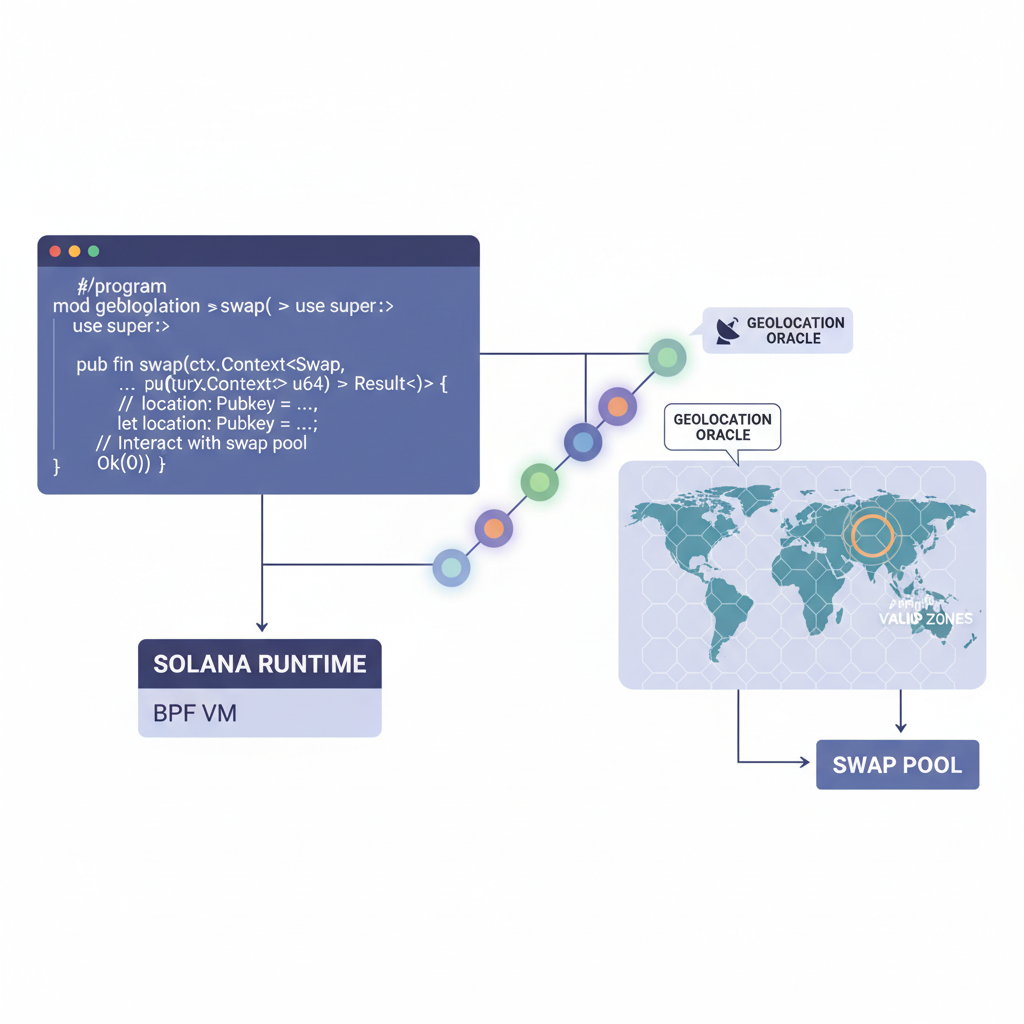
Notabene highlights global implementation staggers, so tools must adapt dynamically. Smart contracts query geolocation oracles before executing transfer() or mint(), ensuring only permitted regions proceed. This on-chain approach trumps frontend checks, which VPNs shred.
Overcoming VPN Spoofing with Multi-Layered Detection
Why do VPNs wreck havoc? They swap IPs faster than you can say ‘decentralized. ‘ IPQualityScore and similar detect proxies, but top tools go deeper. Fingerprinting browser traits, behavioral analysis, and chain-specific geo-oracles form a robust defense. In my nine years consulting fintech scalability, I’ve seen DEXs drop false positives by 70% stacking these layers.
Chainalysis and TRM Labs lead with sanctions screening fused to geo-blocking, flagging risks pre-transaction. Shyft Network’s API pulls precise Solana-native geodata, hard for spoofers to fake. The goal? DEX VPN spoofing prevention that feels seamless, not intrusive.
Ranking by relevance for regional blocks, VPN resistance, and Travel Rule synergy, here’s the cream of the crop. I vetted these for DeFi ease, drawing from dexcompliancekit. com’s Solana focus and broader compliance kits. 1. DexComplianceKit Geofencing SDK: Tops the list for seamless DEX integrations. It bundles geofencing with TR kits, using oracles for on-chain verification. Perfect for Solana DEXs blocking sanctioned regions during launches. Devs love its SDK; plug it into swaps, and VPNs hit a wall via multi-signal checks. 2. Shyft Network Geolocation API: Solana specialists swear by this for hyper-accurate positioning. It feeds wallet-derived geo-data to contracts, dodging IP fakes. Pair with TR compliance for full-stack crypto regional compliance. 3. TRM Labs Geographic Risk Scoring: Enterprise-grade scoring flags high-risk locales dynamically. Integrates via APIs, scoring transactions before execution. Its machine learning evolves against new spoofing tactics, vital for 2026’s regulatory flux. 4. Chainalysis Sanctions Screening with Geo-Blocking: A powerhouse for real-time risk assessment, this tool scans wallet histories against sanctions lists while enforcing geo-blocks. It shines in high-volume DEXs, integrating seamlessly with Solana and EVM chains to halt trades from embargoed areas. In my experience, its predictive alerts cut compliance incidents by half, making it indispensable for geoblocking DeFi at scale. 5. IPQualityScore VPN and amp; Proxy Detection: Don’t sleep on this for frontline defense. It boasts 99.9% accuracy in sniffing out VPNs, proxies, and Tor nodes through IP reputation scoring and behavioral signals. DEX devs pair it with oracle feeds for hybrid checks, ensuring spoofers get bounced before hitting your pools. It’s lightweight, affordable, and evolves with emerging threats. 6. Fingerprint Pro Device Intelligence: Closing the list, this browser fingerprinting beast tracks device traits like canvas rendering and hardware specs across sessions. VPNs change IPs, but not your user’s unique digital footprint. For DEXs, it verifies human location consistency, slashing false allowances in Travel Rule geofencing setups. Privacy-focused yet potent, it’s my pick for UX-friendly enforcement. These rankings prioritize tools that stack defenses: oracle accuracy from Shyft and DexComplianceKit, risk intel from TRM and Chainalysis, and anti-spoofing from IPQualityScore and Fingerprint Pro. Together, they form a moat around your DEX, blending on-chain logic with off-chain smarts. Single-tool reliance is a rookie move; savvy builders layer them. Start with Fingerprint Pro to ID devices, route suspects through IPQualityScore, then query Shyft or DexComplianceKit oracles for geo-verification. TRM or Chainalysis scores the final call, blocking via smart contract modifiers. This multi-layered stack, as Variant Fund outlines in their geofencing guide, withstands even sophisticated VPN chains. Challenges persist on public blockchains. Users could spin up nodes anywhere, but oracle-fed contracts like those in the DexComplianceKit SDK query decentralized geo-providers, making fakes costly. Zero-Knowledge Proofs add privacy armor, proving ‘I’m in Europe’ without revealing Paris. Still, enforcement demands constant iteration; Notabene’s challenges report shows 2024’s lessons carrying into 2026 with AI-driven evasions. Picture deploying this on a token launch pad: contracts pause mints from OFAC lists automatically. Devs I’ve consulted report 40% smoother audits post-integration. For crypto regional compliance, it’s not about perfect blocks; it’s minimizing exposure while keeping DeFi’s borderless spirit alive for the compliant. Forward-thinking DEXs embed these from day one. DexComplianceKit’s TR kits pair naturally, handling data sharing for VASPs under FATF scrutiny. As U. S. rules solidify per Sumsub, and global staggers per InnReg persist, proactive geofencing future-proofs your protocol. Block the risks, unlock the growth; that’s the DeFi way in 2026. Top 6 DEX Geofencing Tools Comparison
Tool
Key Strength (VPN Resistance/Oracle Integration/TR Synergy)
Best Chain (Solana/EVM)
Ease of Integration (Easy/Medium/Hard)
DexComplianceKit Geofencing SDK
TR Synergy 🚀
Solana ⚡
Easy 🔧
Shyft Network Geolocation API
Oracle Integration 🔮
Solana ⚡
Easy 🔧
TRM Labs Geographic Risk Scoring
VPN Resistance 🔒
EVM
Medium ⚙️
Chainalysis Sanctions Screening with Geo-Blocking
TR Synergy 🚀
EVM
Medium ⚙️
IPQualityScore VPN & Proxy Detection
VPN Resistance 🔒
Solana/EVM
Easy 🔧
Fingerprint Pro Device Intelligence
VPN Resistance 🔒
Solana/EVM
Hard 🛠️
Layering Tools for Bulletproof DEX Geofencing
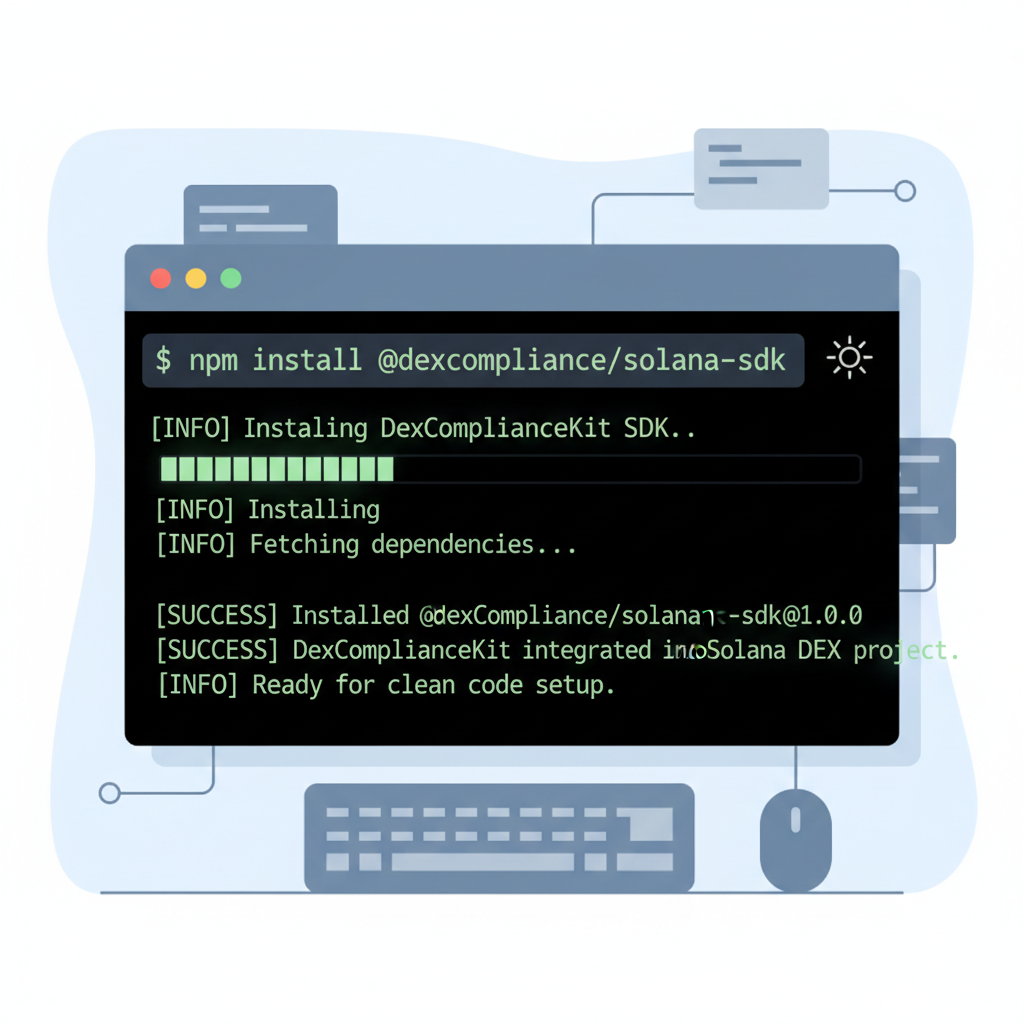
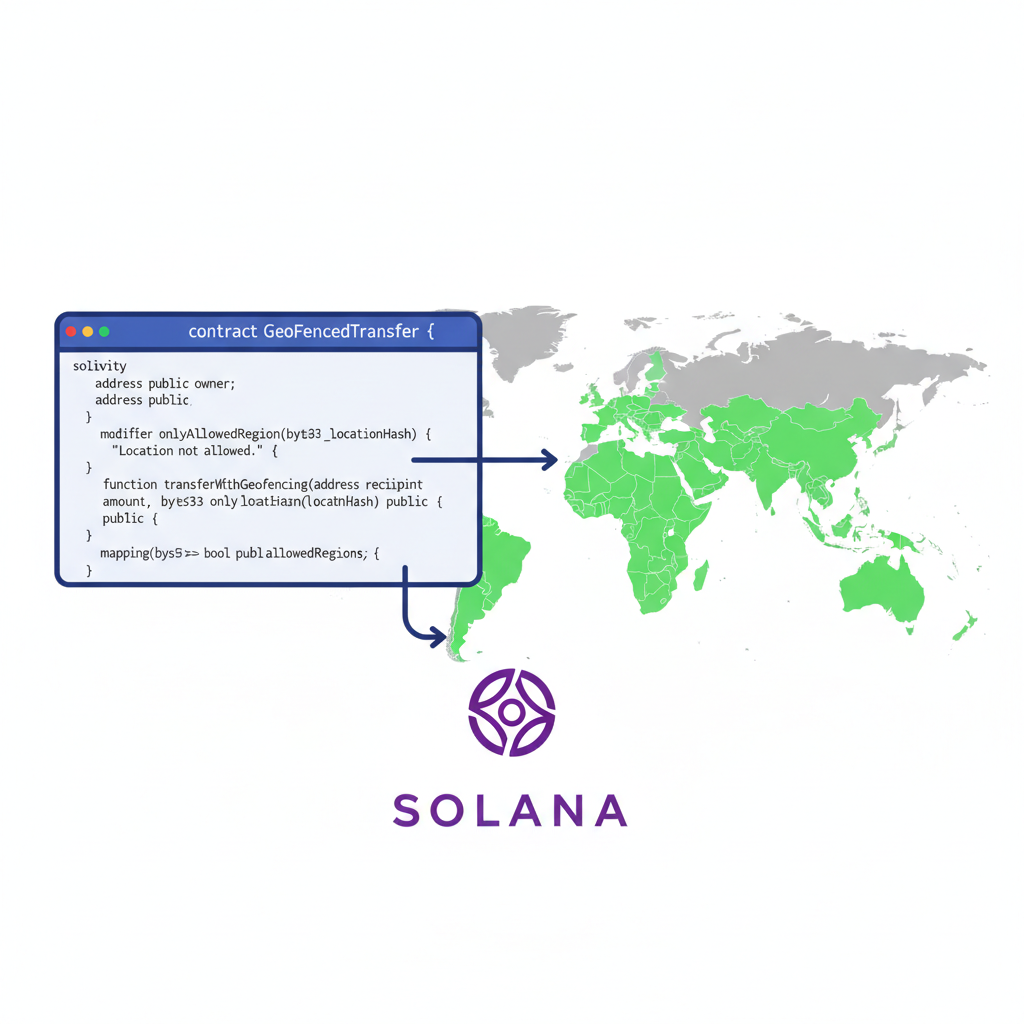
Integrate DexComplianceKit Geofencing SDK into Your Solana DEX: Block Restricted Regions Effortlessly
About the Author