
Mica regulation 2026 limits to account for
The Markets in Crypto-Assets Regulation (MiCA) is no longer a future proposal; it is the active legal framework governing decentralized exchanges in the European Union. As the transitional period concludes in 2026, the regulatory landscape shifts from gradual implementation to strict enforcement. For DEX operators and liquidity providers, this means navigating a uniform set of rules designed to protect investors while maintaining market integrity across all member states.
At its core, MiCA institutes comprehensive market rules for crypto-assets that were previously unregulated. It does not ban decentralization, but it demands transparency. The regulation requires clear disclosure of asset characteristics, risk warnings, and operational details. This shift forces decentralized platforms to adopt more structured compliance measures without necessarily sacrificing their non-custodial nature.
For legal teams and compliance officers, the immediate priority is understanding how these rules apply to your specific operational model. The following sections break down the key obligations, including token classification, consumer protection standards, and the reporting requirements that will define your compliance posture in 2026. Understanding these constraints is essential for operating legally within the EU market.
Mica regulation 2026 choices that change the plan
The July 1, 2026 deadline marks the hard cutoff for MiCA compliance, forcing decentralized exchanges to choose between full regulatory alignment and operational independence. This isn't just a paperwork exercise; it’s a structural decision that defines your market access, user base, and technical architecture. As the transitional period ends, the EU’s uniform market rules for crypto-assets become non-negotiable for any entity serving European residents.
You must evaluate three concrete factors: identity verification costs, liquidity fragmentation, and smart contract immutability. Each choice carries a direct tradeoff in efficiency versus compliance. Below, we break down these tradeoffs to help you decide which path aligns with your DEX’s long-term viability.
The choice between full compliance and restricted access often comes down to your target user profile. Full compliance requires integrating identity verification systems, which increases friction but grants access to the entire EU market. Restricted access allows you to maintain some decentralization by only enforcing rules on EU-based users, but it requires sophisticated geo-blocking technology. Non-compliant operations risk severe penalties and are increasingly isolated by payment processors and on-ramps.
Ultimately, the tradeoff is between speed and security. Compliance takes time and resources, but it future-proofs your DEX against stricter enforcement. If you delay, you may find yourself forced into a rushed, expensive migration later. Consider your current technical stack and whether it can support the necessary identity and reporting requirements before the deadline.
For more details on the specific regulatory requirements, refer to the ESMA MiCA overview. This official source provides the definitive guide on how these rules apply to crypto-asset service providers.
How to align your DEX with MiCA before 2026
The EU’s Markets in Crypto-Assets Regulation (MiCA) is shifting from guidance to enforcement. For decentralized exchanges (DEXs), the 2026 deadline marks the end of the transitional period. This is not a suggestion; it is a regulatory requirement that applies to any service provider targeting EU users. Failure to comply results in immediate suspension of services within the bloc.
You need a structured approach to bridge the gap between decentralized architecture and centralized compliance. The following steps outline the essential checks required to maintain operations under the new framework.

Identify which EU member states your protocol serves. MiCA applies uniformly, but national competent authorities enforce it differently. Determine if you have a registered entity in the EU or if you are operating as a non-EU provider. This distinction dictates your legal liability and reporting obligations.

MiCA requires strict identity verification for certain transactions. Even for non-custodial interfaces, you must integrate Know Your Customer (KYC) checks for fiat on-ramps and high-value swaps. Ensure your smart contracts or front-end gateways can pause or flag transactions that exceed reporting thresholds without violating decentralization principles entirely.
Not all tokens fall under the same rules. Asset-referenced tokens and e-money tokens face stricter capital and reserve requirements. Review your listed pairs against ESMA’s evolving taxonomy. Remove or restrict access to tokens that do not meet the transparency and disclosure standards mandated by the regulation.

MiCA mandates immediate reporting of significant operational disruptions or security breaches. Set up automated alerts for smart contract exploits or liquidity pool failures. You must notify the relevant national authority within 24 hours of detecting a major incident. Documentation of your response timeline is critical for regulatory defense.

Regulators will monitor trading patterns for market manipulation. Implement on-chain analytics to detect wash trading or spoofing. Be prepared to provide transaction logs and user data upon request. Proactive surveillance demonstrates good faith and reduces the risk of heavy fines during audits.





As an Amazon Associate, we may earn from qualifying purchases.
Spotting Weak Options in DEX Compliance
The transition to full MiCA enforcement in 2026 exposes several common compliance traps. Many DEX operators mistake "decentralization" for regulatory immunity, a misunderstanding that leads to costly enforcement actions. The European Securities and Markets Authority (ESMA) has clarified that utility tokens and asset-referenced tokens fall under strict uniform rules, regardless of the underlying code’s architecture [src-1].
The KYC Myth
A prevalent misconception is that non-custodial protocols do not need Know Your Customer (KYC) checks. While the protocol itself may not hold funds, the front-end interface and on-ramp services often do. If your DEX facilitates fiat on-ramps, you are likely classified as a Virtual Asset Service Provider (VASP). Ignoring this distinction leaves your operation exposed to anti-money laundering violations. Treat your interface as a regulated entity, not just a software tool.
The Liquidity Provider Trap
Another weak option involves liquidity pools for non-compliant assets. Offering trading pairs for tokens that fail MiCA’s transparency requirements can implicate the DEX in facilitating illegal markets. Operators must implement automated screening to block access to non-compliant pairs. This isn’t optional; it’s a prerequisite for operating within the EU single market.
The "Transitional Period" Overreach
Some projects assume the 2026 transitional period grants indefinite grace. While existing providers have time to register, new entrants must comply immediately. Assuming you can launch without registration until the deadline passes is a strategic error. The regulatory window is closing, and enforcement is accelerating. Verify your status against ESMA’s current guidelines [src-2] before deploying any new features.
Mica regulation 2026: what to check next
The July 1, 2026 deadline marks the hard cutoff for crypto-asset service providers operating in the EU. After this date, MiCA requirements are no longer optional, and transitional periods for existing entities end. Compliance teams must treat this date as a non-negotiable operational milestone rather than a flexible target.
Do decentralized exchanges fall under MiCA?
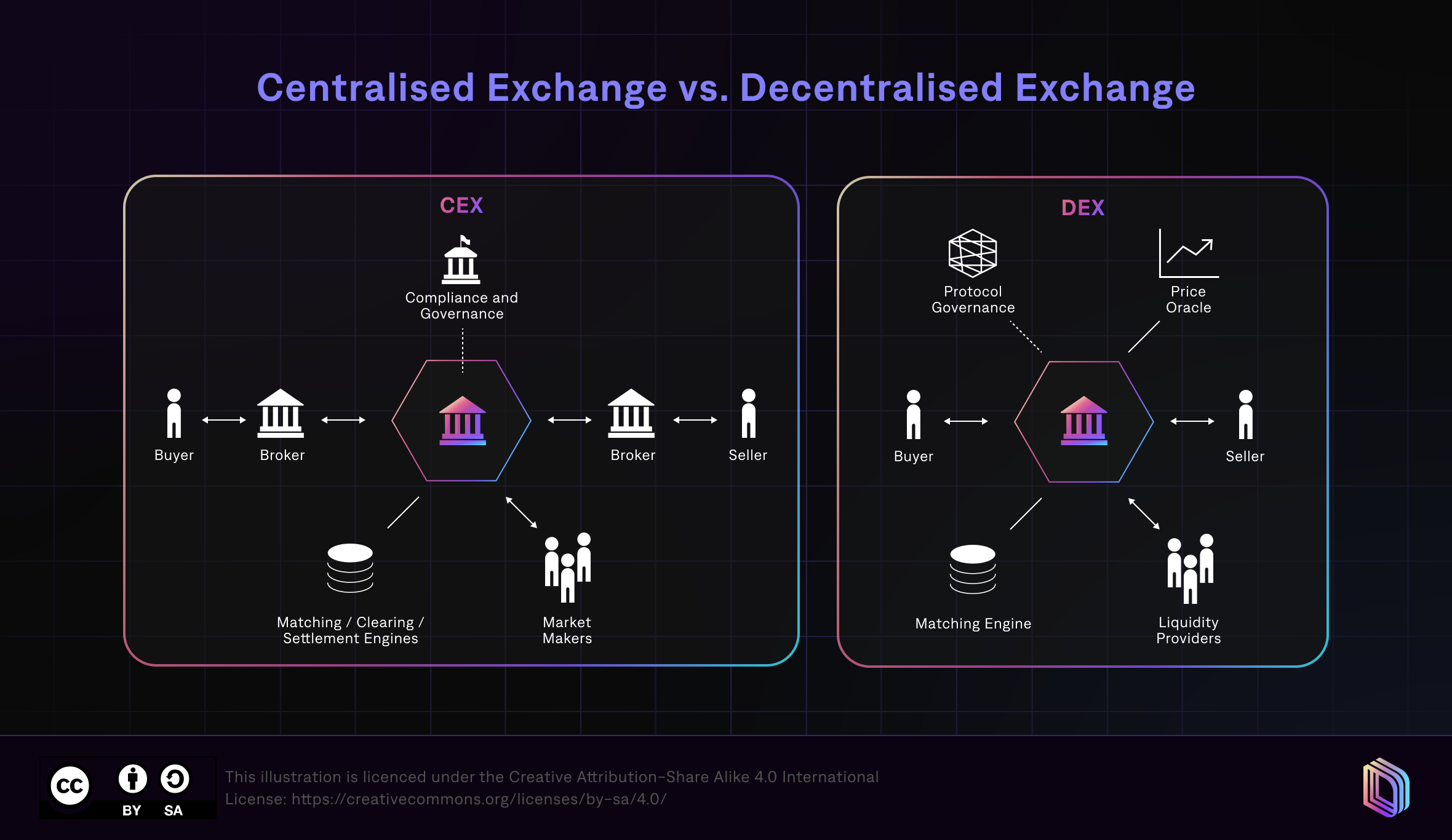
MiCA primarily targets centralized crypto-asset service providers (CASP). True decentralized exchanges (DEXs) that do not involve a central entity managing user funds or order books generally fall outside direct CASP licensing. However, any centralized component, such as a governance token or a central liquidity provider, may trigger regulatory scrutiny. You must audit your architecture to determine if any part of your stack constitutes a service under the regulation.
What happens if we miss the July 2026 deadline?
Operating without authorization after the deadline exposes your entity to significant legal and financial risks. National competent authorities in EU member states have the power to impose heavy fines, suspend operations, or order the cessation of services. The regulatory landscape shifts from a transition phase to full enforcement, meaning no grace periods will be granted for non-compliance.
How does MiCA change trading transparency?
Unlike previous guidelines, MiCA mandates strict best execution and transparency rules similar to MiFID II. Exchanges must publish detailed information on trading practices and execution quality. This shift requires robust reporting infrastructure to demonstrate that orders are executed fairly and efficiently. Failure to provide this data can result in regulatory penalties.
No comments yet. Be the first to share your thoughts!