
DEX compliance 2026 regulatory shifts
The landscape for decentralized exchanges has hardened significantly in 2026. The convergence of US Securities and Exchange Commission (SEC) enforcement actions and the full implementation of the European Union’s Markets in Crypto-Assets (MiCA) regulation has eliminated the ambiguity that previously shielded protocol developers. Compliance is no longer an optional feature for DeFi; it is a structural requirement for market access.
MiCA imposes strict travel rule obligations and stablecoin reserves transparency, effectively forcing DEX aggregators and liquidity providers to adopt centralized compliance checkpoints. Simultaneously, the SEC’s continued litigation strategy targets protocol operators who facilitate unregistered securities trading, creating a dual-pressure environment for cross-border operations.
This regulatory convergence means DEX teams are now accountable for AML monitoring, KYC integration, and sanctioned wallet filtering. The era of "code is law" as a legal defense has ended. Protocols must now demonstrate active jurisdictional compliance to operate within major economic zones, fundamentally altering the architecture of decentralized finance infrastructure.
The end of code is law
The regulatory landscape for decentralized exchanges has shifted fundamentally. In 2026, the SEC no longer treats software as a passive tool. Instead, it views the deployment and maintenance of a DEX as an operational activity subject to federal oversight. The defense that "code is law" has lost its legal weight. Developers and operators are now held liable for how their platforms facilitate financial transactions.
This change marks a move from abstract code to concrete operator liability. The SEC expects DEX teams to implement robust Anti-Money Laundering (AML) and Know Your Customer (KYC) protocols. Transaction monitoring is no longer optional. Platforms must filter sanctioned wallets and adhere to jurisdictional compliance standards. Failure to do so exposes the team to significant legal risk.
The Travel Rule adds another layer of complexity. DEXs must now ensure that transfer information travels with the asset. This requires integration with blockchain analytics and strict data governance. The goal is transparency. The SEC wants to see a clear audit trail that links on-chain activity to real-world identities.
For teams building in 2026, compliance is no longer an afterthought. It is a core requirement. The distinction between a neutral protocol and a regulated exchange has blurred. Operators must prove they are actively managing risk, not just deploying smart contracts. This shift demands a new approach to legal strategy and technical architecture.
MiCA Implementation Guide for DEX Operators
The Markets in Crypto-Assets (MiCA) regulation marks a decisive shift for decentralized exchanges operating within or accessible to the European Union. Unlike previous guidelines, MiCA imposes concrete obligations on transparency and consumer protection that challenge the foundational anonymity of decentralized protocols. For DEX operators, compliance is no longer optional; it is a prerequisite for market access in one of the world’s largest financial jurisdictions.
Transparency and Consumer Disclosure
MiCA requires clear, accurate, and not misleading information to be provided to users. For DEXs, this translates to mandatory disclosures regarding the risks associated with automated market makers, smart contract vulnerabilities, and the potential for loss of funds. Operators must ensure that user interfaces clearly distinguish between the platform’s role and the inherent risks of on-chain transactions.
KYC and AML Integration
While DEXs do not hold user funds in traditional custodial wallets, MiCA’s anti-money laundering (AML) framework increasingly pressures operators to implement Know Your Customer (KYC) checks, especially for higher-risk activities. As noted by compliance experts, DEXs should begin preparing for these regulations now to avoid sudden operational disruptions. The EU’s approach suggests that future enforcement will target entities that facilitate access to decentralized liquidity pools, effectively blurring the line between protocol developers and service providers.
Global Compliance Standard
The implementation of MiCA is creating a de facto global standard. Even DEXs based outside the EU may find it necessary to adopt MiCA-compliant measures to maintain liquidity and user trust. This regulatory pressure is forcing the industry to move from theoretical policy discussions to practical, defensible compliance programs. Operators that proactively integrate these standards will be better positioned to manage the evolving legal landscape of 2026 and beyond.
DEX KYC and AML Best Practices
Implementing compliance on a decentralized exchange requires integrating identity verification and transaction monitoring without centralizing custody. The goal is to satisfy SEC and MiCA requirements while preserving the non-custodial nature of the protocol. This involves layering compliance tools at the wallet interaction level rather than the smart contract level.
Compliance Technology Providers
Selecting the right analytics provider is critical for effective AML enforcement. The table below compares three leading compliance tech providers based on their integration capabilities and regulatory coverage.
| Provider | DEX Integration Ease | Regulatory Coverage | Real-Time Monitoring |
|---|---|---|---|
| Chainalysis | API-first, SDK available | Global (US, EU, APAC) | Yes |
| TRM Labs | Direct node integration | US-focused, expanding EU | Yes |
| Elliptic | Plugin-based, REST API | Global, strong EU focus | Yes |
Geofencing and Transaction Monitoring
Geofencing restricts access from sanctioned jurisdictions using IP and wallet history analysis. Transaction monitoring flags high-risk addresses in real-time. These tools must be configured to respect user privacy while satisfying regulatory reporting obligations.
Identity Verification Layers
Decentralized identity (DID) solutions allow users to prove compliance without exposing personal data. Zero-knowledge proofs can verify age or residency without revealing identity. This approach aligns with MiCA’s data minimization principles while meeting SEC KYC requirements.
Build a defensible compliance framework
Regulatory bodies are shifting from broad guidance to targeted enforcement. To withstand scrutiny under the 2026 SEC rules and MiCA implementation, DEX teams must move beyond theoretical policies. You need a technical and operational infrastructure that proves compliance in real time.
Use the following steps to audit your current setup. This checklist aligns with the gold standard for Virtual Asset Service Providers (VASPs) as outlined in current 2026 compliance frameworks.
This framework is not optional. As MiCA and SEC guidelines tighten, the cost of non-compliance will exceed the cost of implementation. Start auditing your infrastructure today.
Technical Infrastructure Recommendations
The following tools represent essential components for building a compliant DEX infrastructure in 2026. Select providers based on their API reliability, regulatory coverage, and integration complexity.
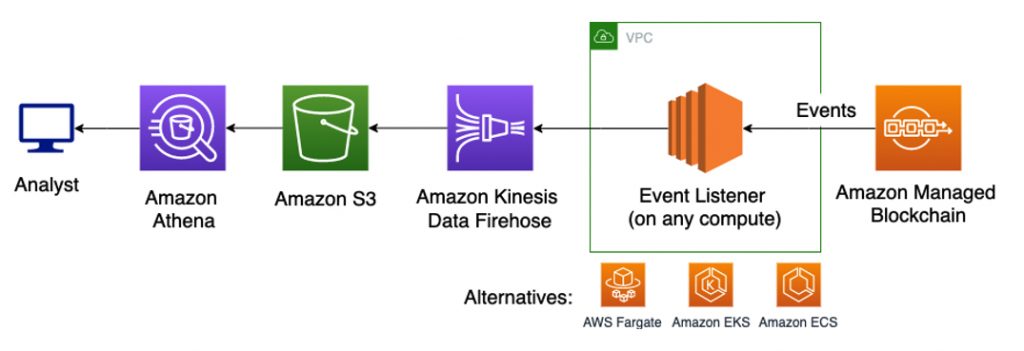
- Real-time transaction monitoring
- Sanctioned wallet detection


As an Amazon Associate, we may earn from qualifying purchases.
No comments yet. Be the first to share your thoughts!