
The 2026 Regulatory Shift for DEXs
The era of "code is law" is ending for decentralized exchanges operating in the United States. In 2026, the SEC has moved beyond theoretical guidance to active enforcement, replacing the previous regulatory vacuum with strict Anti-Money Laundering (AML) and Know Your Customer (KYC) mandates. This shift marks a definitive turning point where the industry must balance decentralized sovereignty with local compliance frameworks.
The regulatory landscape now demands that DEXs implement robust transaction monitoring and identity verification layers. As noted by compliance experts, this year serves as the first real test of integrating digital assets into existing financial oversight structures. The expectation is no longer whether compliance will happen, but how thoroughly protocols can adapt without breaking their core functionality.
Failure to align with these new standards carries immediate legal and operational risks. Firms are now required to meet heightened AML expectations, including sanctions screening and data privacy controls. The cost of non-compliance has escalated, making adherence to these SEC rules a prerequisite for any DEX seeking to maintain legitimacy in the US market.
SEC enforcement and the end of anonymity
The era of pseudonymity on decentralized exchanges is closing. The Securities and Exchange Commission has made its position clear: operating a digital asset trading platform without adequate safeguards is a violation of federal securities laws. Recent enforcement actions have targeted DEX operators for facilitating unregistered securities transactions and failing to implement required anti-money laundering (AML) protocols. The regulator no longer distinguishes between the code and the entity behind it; if a platform facilitates trading, it is subject to oversight.
Compliance is no longer optional. DEX teams are now accountable for rigorous KYC procedures, transaction monitoring, and sanctioned wallet filtering. The expectation is that platforms will integrate blockchain analytics to track fund flows and identify illicit activity. This shift moves the industry away from the "code is law" philosophy toward a model where legal liability is enforceable. Platforms that ignore these requirements face significant legal risks, including asset freezes and operational shutdowns.
The regulatory landscape in 2026 demands a comprehensive framework. This includes adhering to the Travel Rule for cross-border transfers, maintaining robust governance structures, and ensuring jurisdictional compliance. The goal is not to destroy decentralization but to integrate it into the regulated financial system. DEXs that fail to adapt will find themselves on the wrong side of enforcement actions, while those that embrace compliance will gain the legitimacy needed for institutional adoption.
KYC integration strategies for DEXs
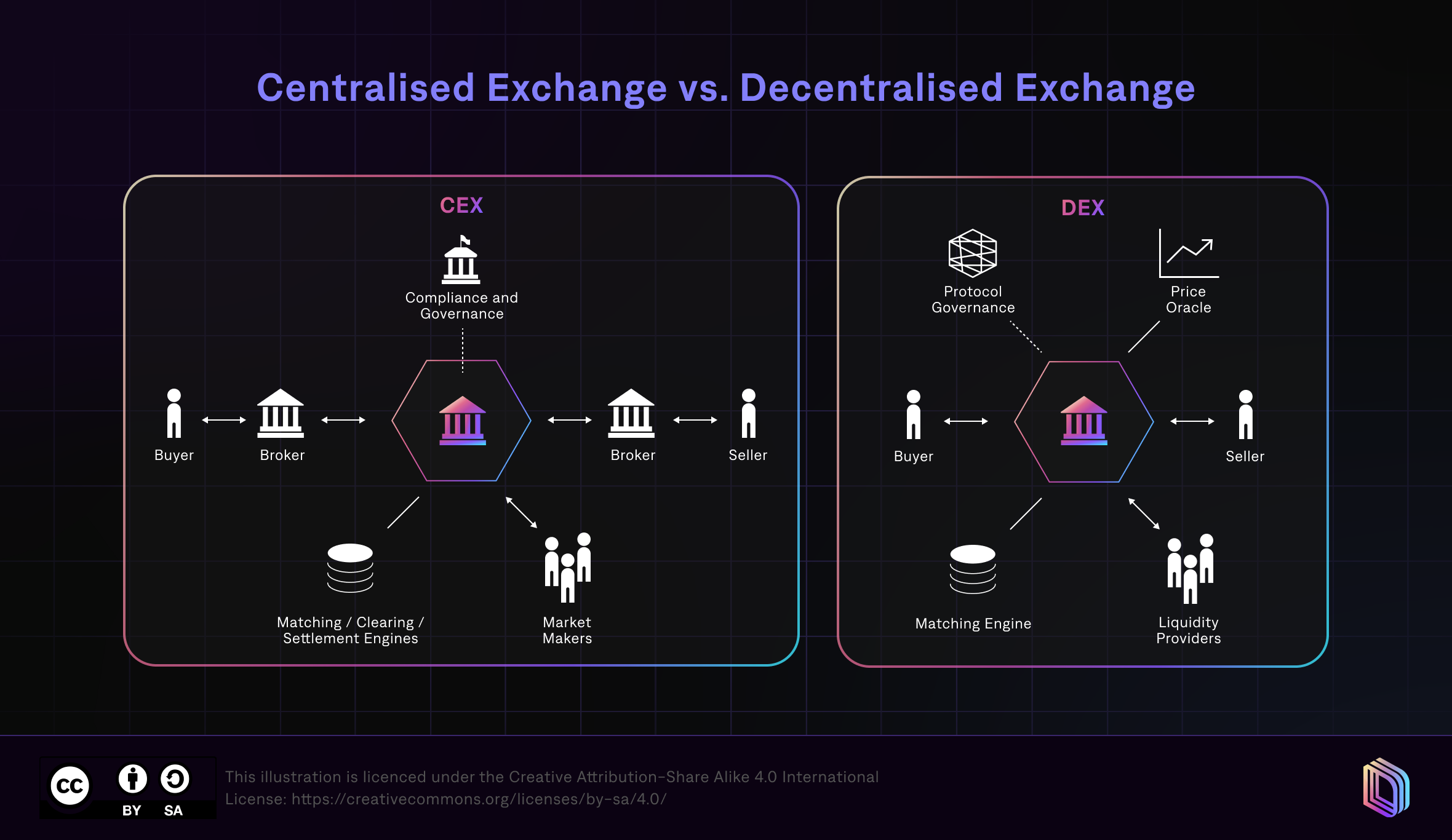
The 2026 regulatory landscape requires decentralized exchanges to implement Know Your Customer (KYC) protocols without sacrificing the core ethos of decentralization. DEX teams are now accountable for AML, transaction monitoring, and sanctioned wallet filtering, creating a complex architectural challenge. The goal is to maintain privacy where possible while satisfying strict compliance mandates.
Zero-Knowledge Proofs
Zero-knowledge proofs (ZKPs) allow users to prove they meet KYC requirements without revealing their underlying identity data on-chain. This cryptographic approach enables a "proof of compliance" rather than a "proof of identity," preserving user anonymity while satisfying regulatory audits. By using ZKPs, DEXs can verify that a user is not on a sanctions list without storing personal identifiable information (PII) in a centralized database.
Geofencing and Jurisdictional Filters
Geofencing restricts access to DEX features based on the user's physical location, ensuring compliance with local jurisdictional laws. This strategy involves filtering transactions and limiting access for users in regions with strict cryptocurrency bans or specific regulatory requirements. It acts as a first line of defense, preventing non-compliant users from interacting with the protocol entirely.
Hybrid Compliance Models
Hybrid models combine on-chain anonymity with off-chain verification. Users complete KYC through a trusted third-party provider, receiving a non-transferable attestation or token. This attestation is then used to unlock specific DEX features, such as higher withdrawal limits or access to regulated trading pairs. This approach balances user privacy with the need for traceable compliance records.

Global frameworks beyond the US
While the US SEC enforces a fragmented, enforcement-driven approach to decentralized exchanges, other major jurisdictions are establishing comprehensive statutory codes. The European Union’s Markets in Crypto-Assets (MiCA) regulation provides a unified legal framework that applies across all member states, offering clarity that US operators currently lack. This divergence forces DEX developers to navigate distinct compliance architectures depending on their target markets.
MiCA classifies crypto-asset service providers and mandates specific transparency, governance, and consumer protection standards. Unlike the SEC’s reliance on the Howey Test to determine security status, MiCA defines obligations based on the type of asset and service offered. This creates a more predictable environment for DEX operators, though it requires strict adherence to registration and reporting protocols.
The table below contrasts the core regulatory expectations in these two primary jurisdictions. Understanding these differences is essential for any DEX aiming to operate globally without facing immediate legal friction.
| Aspect | US (SEC Approach) | EU (MiCA Framework) |
|---|---|---|
| Legal Basis | Securities Act of 1933 / Enforcement Actions | Regulation (EU) 2023/1114 (Statutory Code) |
| Regulatory Style | Principle-based, case-by-case | Rule-based, harmonized across member states |
| Key Obligation | Registration as exchange or broker-dealer | Authorization and transparency disclosures |
| Enforcement | Litigation and cease-and-desist orders | Administrative fines and license revocation |
Building a defensible compliance program
The 2026 regulatory environment demands more than theoretical adherence; it requires a practical, defensible compliance infrastructure. DEX teams must move beyond basic token listings to implement rigorous controls that satisfy SEC expectations and global anti-money laundering standards. This section outlines the critical audit steps to harden your platform against enforcement actions.


By systematically addressing these five areas, DEX teams can build a robust foundation that withstands regulatory scrutiny. The goal is to create a system where compliance is embedded in the code and culture, reducing legal exposure while maintaining the integrity of the decentralized ecosystem.
Helpful gear
Use these product recommendations as a starting point, then choose the size, material, and price point that fit how you actually use the gear.


As an Amazon Associate, we may earn from qualifying purchases.
No comments yet. Be the first to share your thoughts!