Get dex compliance 2026 right
Before deploying any new liquidity pools or swapping features, you need to verify that your smart contracts and off-chain infrastructure can handle real-time regulatory data. In 2026, decentralized exchanges are no longer operating in a regulatory vacuum. Teams are now held accountable for AML, KYC, transaction monitoring, sanctioned wallet filtering, and jurisdictional compliance [src-serp-2].
This section covers the essential prerequisites. Treat these as the foundation for a compliant architecture.
1. Audit your on-chain data pipeline
Real-time reporting requires you to track every transaction before it settles or immediately after. Ensure your indexing layer can tag inputs and outputs with jurisdictional data. If your protocol does not know where a user is transacting from, you cannot apply the correct sanctions rules.
2. Implement sanctioned wallet filtering
You must block or flag transactions involving wallets on the OFAC (U.S. Treasury) sanctions list. This is not optional. Integrate a real-time sanctions screening service into your liquidity routing. If a user tries to swap using a sanctioned address, the transaction should fail before it hits the blockchain.
3. Verify KYC/AML integration points
Even if your DEX is non-custodial, you may need to enforce identity checks for high-value withdrawals or specific jurisdictional access. Decide which user journeys require KYC and ensure your frontend or API layer can enforce these checks without compromising the core decentralized nature of your protocol.
4. Understand your reporting obligations
Do not assume that because you are decentralized, you are exempt from reporting. In the U.S., centralized exchanges must issue Form 1099-DA starting with 2025 transactions. DEXs and foreign exchanges do not currently issue these forms, but users are still legally required to report all taxable crypto transactions [src-serp-1]. Your platform should provide users with clear, downloadable transaction history to help them comply.
5. Test your jurisdictional controls
Simulate transactions from restricted regions (e.g., the U.S., China, or sanctioned countries). Ensure your geolocation tools and IP checks are accurate. A single error here can lead to severe regulatory penalties.
Work through the steps
Navigating 2026 DEX compliance requires shifting from reactive patches to integrated, real-time reporting infrastructure. Unlike centralized exchanges that handle KYC and AML behind the scenes, decentralized platforms must embed these checks directly into the smart contract layer or the wallet interface. The following sequence outlines the mandatory workflow for achieving regulatory alignment.
Your first priority is deploying on-chain analytics that flag suspicious activity before it settles. You cannot rely on post-facto audits. Integrate providers that scan every transaction against known darknet addresses, sanctioned wallets, and mixers. This layer must operate at the mempool level to prevent illicit funds from entering your liquidity pools, ensuring you meet the AML and transaction monitoring expectations outlined by regulators.
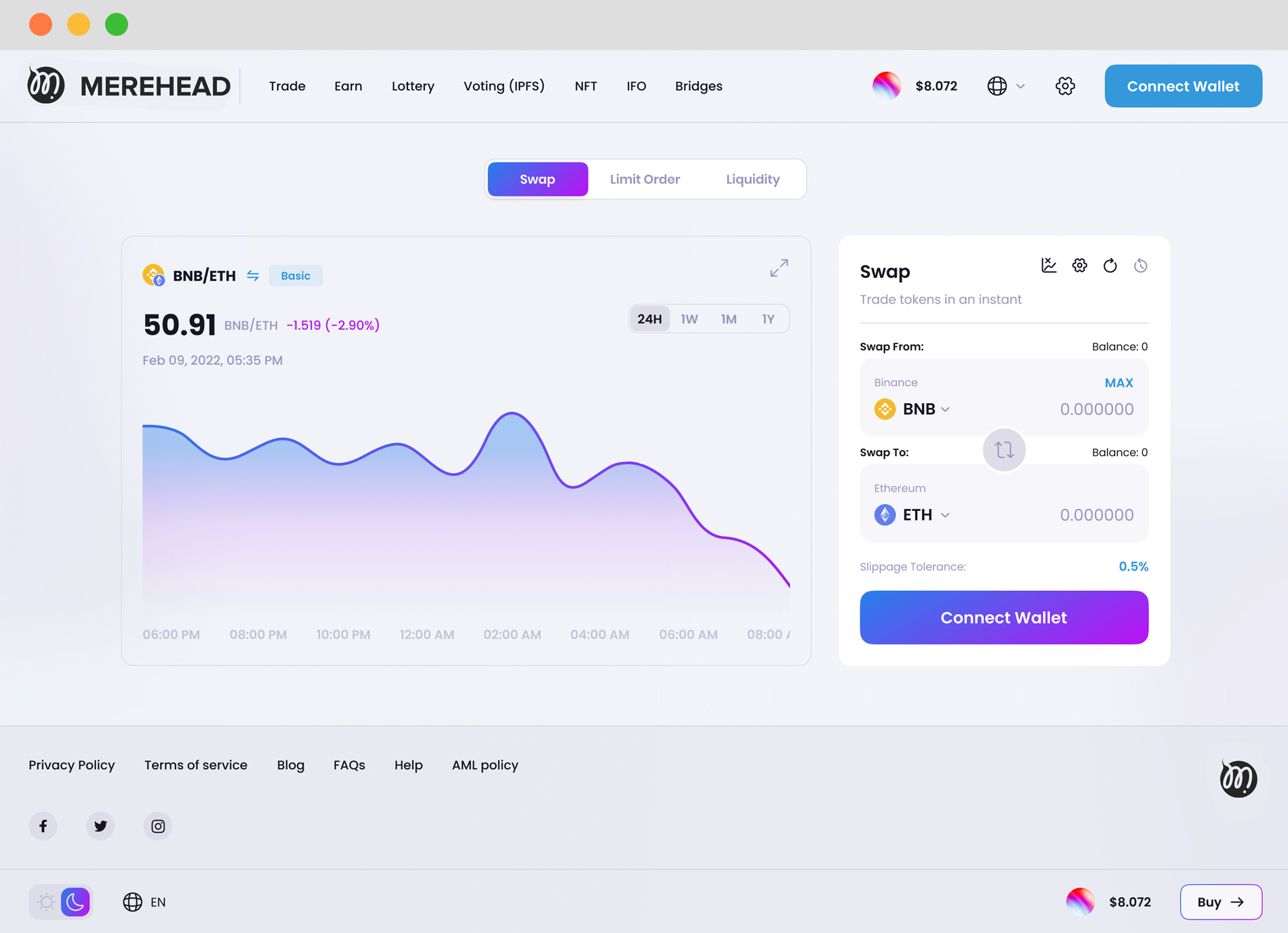
KYC is no longer optional for high-volume DEXs. Embed identity verification into the user journey, typically at the point of withdrawal or when interacting with fiat on-ramps. This step ensures that every active trader is vetted against global sanctions lists. Without this, your platform remains vulnerable to enforcement actions, as regulatory bodies increasingly hold the protocol operators accountable for user identity.
You must restrict access based on the user’s geographic location. Implement geo-fencing tools that block transactions from prohibited jurisdictions, such as those under comprehensive OFAC sanctions. This is not just about blocking IP addresses; it requires verifying the user’s stated location against their wallet activity. Failure to enforce these barriers exposes your DEX to severe legal penalties in multiple jurisdictions.

Generate audit-ready reports that mirror the data structures required by tax authorities and financial intelligence units. While DEXs do not issue Form 1099-DA like centralized exchanges, you must maintain immutable logs of all transactions. These logs should be easily exportable to satisfy law enforcement requests or regulatory inquiries. Automated reporting reduces the risk of human error during audits and demonstrates proactive compliance.

Schedule quarterly third-party audits of your smart contracts and compliance infrastructure. These audits should verify that your monitoring tools are functioning correctly and that no vulnerabilities exist that could be exploited to bypass KYC or AML checks. Regular testing ensures that your compliance framework evolves alongside new regulatory guidelines and emerging threats in the DeFi space.
-
Verify real-time monitoring is active for all new pools
-
Confirm KYC integration is live for fiat on-ramps
-
Test geo-fencing against sanctioned jurisdictions
-
Export sample transaction logs for audit review
-
Schedule next third-party compliance audit
Common mistakes in DEX compliance
Building a decentralized exchange in 2026 requires more than smart contract security. Teams are now directly accountable for AML, KYC, transaction monitoring, sanctioned wallet filtering, and jurisdictional compliance. When these areas are handled poorly, the results are immediate and costly. Below are the most frequent errors that derail compliance efforts.
Skipping jurisdictional mapping
Many teams assume that because a DEX is decentralized, it operates in a regulatory gray zone. This is a dangerous assumption. Regulatory bodies are increasingly targeting the entities that launch, govern, or profit from a protocol, regardless of where they are based. If you do not map your user base to specific jurisdictions early, you risk blocking legitimate users in compliant regions while inadvertently serving restricted ones. The fix is to implement geo-fencing and clear terms of service that reflect local laws.
Treating KYC as an afterthought
A common mistake is to view KYC (Know Your Customer) as a barrier to entry rather than a compliance necessity. In 2026, privacy and compliance are no longer mutually exclusive. Teams that ignore identity verification face higher risks of being used for illicit finance. The fix is to integrate lightweight, privacy-preserving KYC solutions that verify users without compromising their data unnecessarily. This balances regulatory requirements with user trust.
Ignoring transaction monitoring
Another critical error is failing to monitor on-chain activity in real time. Sanctioned wallet filtering is not optional; it is a requirement. If your DEX does not screen transactions against updated sanction lists, you could be facilitating illegal activities. The fix is to use automated tools that flag suspicious transactions and suspend them for review. This proactive approach protects your platform from legal repercussions and maintains its integrity.
Misunderstanding reporting obligations
Finally, many teams misunderstand their reporting obligations. While DEXs and foreign exchanges do not issue Form 1099-DA like U.S.-based centralized exchanges, users are still required to report all their crypto taxable transactions. Confusion here can lead to penalties for your users. The fix is to provide clear, accessible resources that educate users on their reporting responsibilities. This transparency builds trust and reduces the likelihood of compliance issues down the line.
Dex compliance 2026: what to check next
Navigating decentralized exchange rules in 2026 requires understanding where your legal exposure lies. While the technology remains permissionless, the regulatory net around users and operators is tightening.
Here are the most common questions about DEX compliance, tax obligations, and regulatory changes.
The shift from "code is law" to "code is regulated" means that staying compliant is no longer optional for serious DEX operators. Ignorance of these requirements is no longer a valid defense in court.
Helpful gear
Use these product recommendations as a starting point, then choose the size, material, and price point that fit how you actually use the gear.


As an Amazon Associate, we may earn from qualifying purchases.
No comments yet. Be the first to share your thoughts!