
Dex compliance 2026 limits to account for
The assumption that decentralized exchanges (DEXs) are automatically exempt from licensing is no longer valid. In 2026, the regulatory landscape has shifted to prioritize transaction monitoring and identity verification over architectural decentralization. Platforms must now navigate a complex web of MiCA regulations in the EU and active SEC enforcement in the US, where the focus is on who controls the liquidity, not just how the code is written.
Compliance is no longer a backend concern; it is a structural constraint. The EU’s Markets in Crypto-Assets (MiCA) regulation imposes strict transparency requirements on asset issuers and service providers, effectively bringing DEX aggregators and liquidity providers into the regulatory fold. Simultaneously, the US SEC continues to pursue enforcement actions against platforms that facilitate unregistered securities trading, regardless of their decentralized interface. This dual pressure forces operators to implement real-time transaction monitoring that can flag suspicious activity without compromising the core user experience.
The Travel Rule, which requires the transmission of sender and receiver information for transfers exceeding $3,000 in the US, presents a significant technical challenge for DEXs. Unlike centralized exchanges, DEXs do not hold user funds in a way that allows for easy KYC integration at the point of withdrawal. Instead, compliance now relies on integrating with privacy-preserving identity layers and blockchain analytics tools that can verify counterparties in real-time. This shift means that "non-custodial" does not mean "non-compliant"; it means the compliance burden is distributed across the protocol layer and third-party infrastructure.
For operators, the tradeoff is clear: ignoring these constraints risks severe penalties and platform shutdowns, while over-regulating can drive users back to unregulated offshore alternatives. The winning strategy involves building compliance into the protocol design from the start, using tools that allow for granular control over liquidity pools and trading pairs. This approach ensures that the DEX can adapt to changing regulations without requiring a complete architectural overhaul, maintaining both legal standing and user trust.
Dex compliance 2026 choices that change the plan
Building a compliant DEX in 2026 requires balancing regulatory safety against the core value proposition of decentralization. Under MiCA and evolving SEC enforcement, teams are no longer exempt from licensing simply because they use smart contracts. You must now account for AML, KYC, transaction monitoring, and sanctioned wallet filtering.
The primary tradeoff lies in user friction versus legal protection. Implementing robust controls reduces regulatory risk but can alienate privacy-focused users. Conversely, maintaining a permissionless architecture exposes the protocol to potential enforcement actions. The decision depends on your target jurisdiction and user base.
Compliance vs. Permissionless Architecture
| Feature | Permissionless DEX | KYC-Integrated DEX |
|---|---|---|
| User Onboarding | Instant, anonymous | Requires ID verification |
| Regulatory Risk | High (Enforcement targets) | Low (Compliant with MiCA) |
| Transaction Limits | None or very high | Capped per jurisdiction |
| Geoblocking | Difficult to enforce | Precise IP/Identity checks |
| Travel Rule | Not applicable | Fully compliant |
Permissionless models attract high volume but face increasing scrutiny from regulators who view them as unlicensed money services. KYC-integrated models offer a safer path to institutional adoption but sacrifice the anonymity that defines much of the DeFi ethos.
Cost of Real-Time Monitoring
Implementing real-time transaction monitoring is no longer optional. Tools like Chainalysis or Elliptic integrate with smart contracts to flag suspicious activity instantly. This adds operational costs and potential latency to trades. However, it provides the audit trail necessary to prove compliance during regulatory inquiries.
| Feature | Operational Cost | Regulatory Risk |
|---|---|---|
| Manual AML Checks | Low | High |
| AI-Powered Monitoring | High | Low |
| No Monitoring | None | Critical |
The cost of non-compliance far outweighs the expense of monitoring tools. A single enforcement action can freeze assets and halt operations. Investing in automated compliance infrastructure is a strategic necessity for any DEX aiming for longevity in 2026.
Decision Framework
Choose a permissionless model if you target retail users in jurisdictions with lax enforcement and accept the legal uncertainty. Opt for a KYC-integrated model if you seek institutional capital or operate in strict regulatory environments like the EU or US. The latter requires significant development effort but offers a sustainable business model.
How to choose the right compliance path for your DEX
Deciding on a compliance strategy requires weighing regulatory exposure against operational friction. The 2026 landscape forces a clear distinction between self-custodial models and centralized interfaces. Your choice depends on how much user data you are willing to process and which jurisdictions you intend to serve.

Start by identifying the jurisdictions where your users reside. The EU’s MiCA regulation sets strict standards for asset reference tokens and utility tokens, requiring transparent reserves and clear governance. In the US, the SEC’s enforcement actions target unregistered securities offerings, making anonymity a liability rather than a feature. If you operate globally, you must build a system that can apply region-specific rules without blocking legitimate access.
The Travel Rule is no longer optional for high-value transfers. In the US, this applies to transfers exceeding $3,000, requiring the transmission of sender and recipient information between financial institutions. You need a protocol to share this data securely during cross-border transactions. Without this, your platform risks being flagged for facilitating money laundering, which can lead to immediate shutdowns in regulated markets.
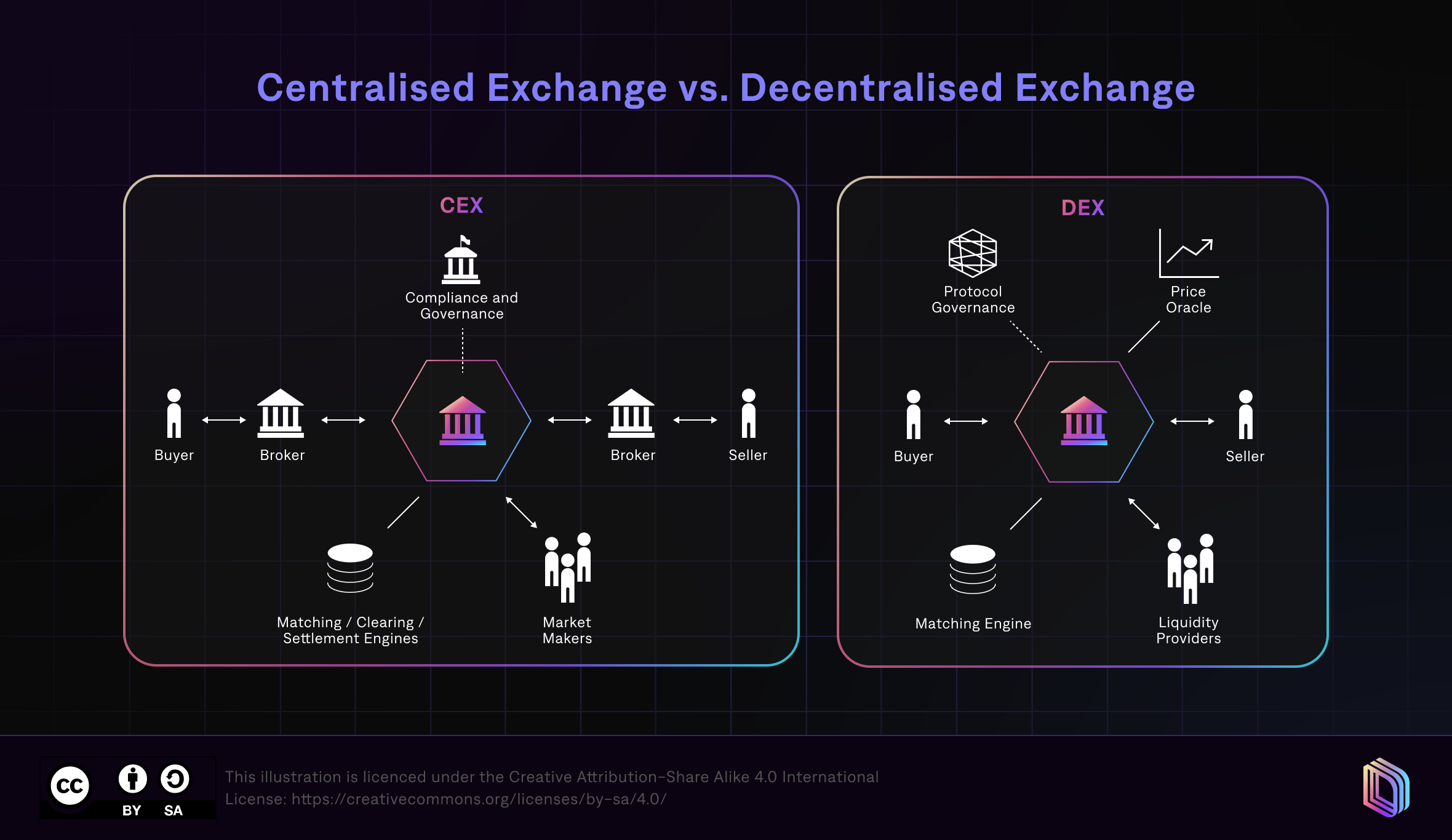
Real-time transaction monitoring is the core of modern compliance. You must decide whether to use on-chain analysis tools that flag suspicious addresses or build internal risk scoring models. Centralized exchanges (CEXs) naturally fit this model because they hold user funds. Decentralized exchanges (DEXs) face a harder challenge: they must monitor transactions without holding custody, often requiring integration with third-party analytics providers to detect wash trading or sanctions evasion.
Your corporate structure determines your liability. Many founders incorporate in crypto-friendly jurisdictions like Singapore or Switzerland to access clearer regulatory pathways. However, if your users are primarily in the US or EU, you may still need to register as a Money Services Business (MSB) or Virtual Asset Service Provider (VASP). This step is critical because even a decentralized codebase can be tied back to a centralized legal entity responsible for enforcement.
Before launching to the public, run a closed beta with a small group of users. This allows you to test your KYC/AML flows and transaction monitoring alerts without risking a full-scale regulatory breach. Document every interaction and decision during this phase. Regulators will look for evidence that you are actively managing risk, not just claiming to do so in your whitepaper.
| Model | Custody | Compliance Ease | User Privacy |
|---|---|---|---|
| CEX | Yes | High | Low |
| Hybrid DEX | Partial | Medium | Medium |
| Pure DEX | No | Low | High |
The tradeoff is always between friction and safety. A CEX offers a smooth experience but requires full KYC. A pure DEX offers privacy but struggles with regulatory scrutiny. The hybrid model, which uses smart contracts for execution but off-chain identity verification for high-volume users, is becoming the industry standard for 2026.



As an Amazon Associate, we may earn from qualifying purchases.
Choosing the right path requires honesty about your resources. If you lack the legal budget to navigate MiCA and SEC rules simultaneously, consider limiting your initial launch to a single, well-defined jurisdiction. This focused approach allows you to build a robust compliance foundation before expanding into more complex markets.
Spotting Weak Compliance Options
Many DEX founders assume that because their protocol is decentralized, it is automatically exempt from licensing and compliance obligations. This is a dangerous misconception. Regulatory bodies, including the SEC and EU regulators under MiCA, are increasingly focused on the entities controlling the protocol rather than the code itself. Relying on "decentralization" as a shield is a weak option that often leads to enforcement actions.
Common Mistakes to Avoid
Ignoring the Travel Rule The Travel Rule remains a critical compliance hurdle. In the US, it applies to transfers of $3,000 or more, requiring the transmission of sender and recipient information. DEXs that fail to implement robust transaction monitoring to flag these thresholds risk severe penalties. This is not optional; it is a baseline requirement for operating in regulated jurisdictions.
Overlooking Off-Chain Governance If your DEX has a multisig wallet, a team that can pause trading, or a governance token that can be influenced by a small group, regulators may view it as centralized. This triggers the same compliance burdens as a centralized exchange (CEX). Do not assume your smart contracts alone protect you.
The Decision: Compliance vs. Anonymity
You cannot have full anonymity and full regulatory compliance simultaneously. If your target market includes US or EU users, you must prioritize compliance. This means integrating real-time transaction monitoring and potentially KYC/AML checks for certain actions. If you prioritize anonymity, you must accept that you will be blocked from regulated fiat on-ramps and face higher legal risk. Choose your lane clearly.
Dex compliance 2026: what to check next
Navigating the regulatory landscape requires more than just deploying smart contracts. Below are direct answers to the most common questions about DEX compliance in 2026, focusing on practical enforcement and operational realities.
Compliance is no longer optional. DEXs that ignore these requirements face increasing legal exposure. For the latest market data on leading DEX tokens, refer to the technical chart below.
No comments yet. Be the first to share your thoughts!