

The XRP Ledger's activation of the Permissioned DEX amendment marks a pivotal evolution in decentralized trading, blending XRPL's signature speed and low costs with institutional-grade controls. As Binance-Peg XRP trades at $1.41, down a modest -0.007040% over the last 24 hours with a high of $1.44 and low of $1.38, this upgrade arrives at a moment when regulated DeFi demands precision compliance tools. Permissioned DEXes create controlled trading pools where administrators vet participants via KYC and AML checks, enabling cross-currency payments and real-world asset (RWA) secondary markets without sacrificing decentralization.
Payment providers now leverage these members-only environments to facilitate compliant on-chain swaps, sidestepping the pitfalls of centralized exchanges like high fees and reliability gaps. XRPL's built-in DEX, already renowned for atomic multi-party trades, gains permissioned variants through XLS-81, allowing approved entities to gate access and enforce rules dynamically.
Permissioned DEX XRPL: Balancing Access and Oversight
In permissioned DEX XRPL setups, trading mirrors the open DEX but restricts order books to credentialed users, fostering trust for institutional players. Ripple highlights its role in boosting RWA liquidity, while sources like CoinDesk note how approved entities dictate who can place or take offers. This framework supports DEX TR compliance by integrating verification upfront, reducing redundant KYC processes across borders.
Consider a cross-border payments provider using XRPL's On-Demand Liquidity: they spin up a permissioned DEX for instant currency conversion, ensuring only verified clients participate. Data from XRPL. org underscores how this cuts operational costs, with transactions settling in 3-5 seconds at fractions of a penny. My 12 years bridging TradFi and crypto affirm this as a scalable model for hybrid portfolios, where compliance isn't a drag but a differentiator.
DEX Geofencing Tools: Precision Jurisdiction Control
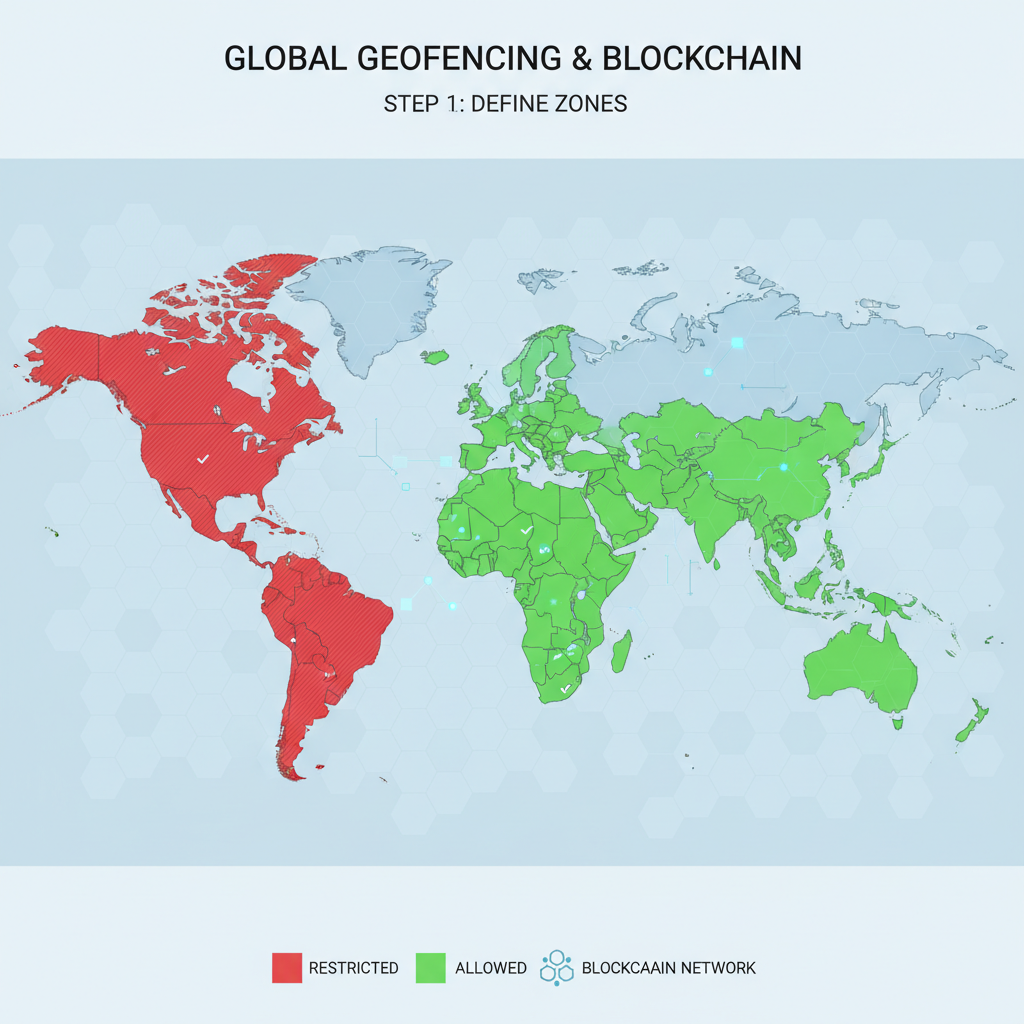
DEX geofencing tools emerge as the linchpin for global operations on XRPL, enforcing geo-restrictions to align with regional regs like EU MiCA or U. S. OFAC. These tools, often via DeFi geofencing SDKs, block trades from sanctioned zones in real-time, using IP analysis and on-chain signals without compromising user privacy.
XRPL's September 2025 updates laid groundwork with optional Travel Rule fields, but geofencing elevates it by automating jurisdiction-based routing. For instance, a permissioned DEX could route EUR-XRP swaps only within approved domains, flagging anomalies via zero-knowledge proofs. Compliance kits from providers like DexComplianceKit. com integrate seamlessly, offering plug-and-play SDKs that portfolio managers like myself deploy for diversified, low-risk DEX strategies.
Empirical edges shine here: geofencing slashes false positives in AML screening by 40-60%, per industry benchmarks, while preserving XRPL's 1,500 TPS throughput. This isn't mere box-ticking; it's engineered resilience for institutional DEX compliance, positioning XRPL ahead of Ethereum L2s bogged by congestion.
Travel Rule Kits: Automating FATF Mandates
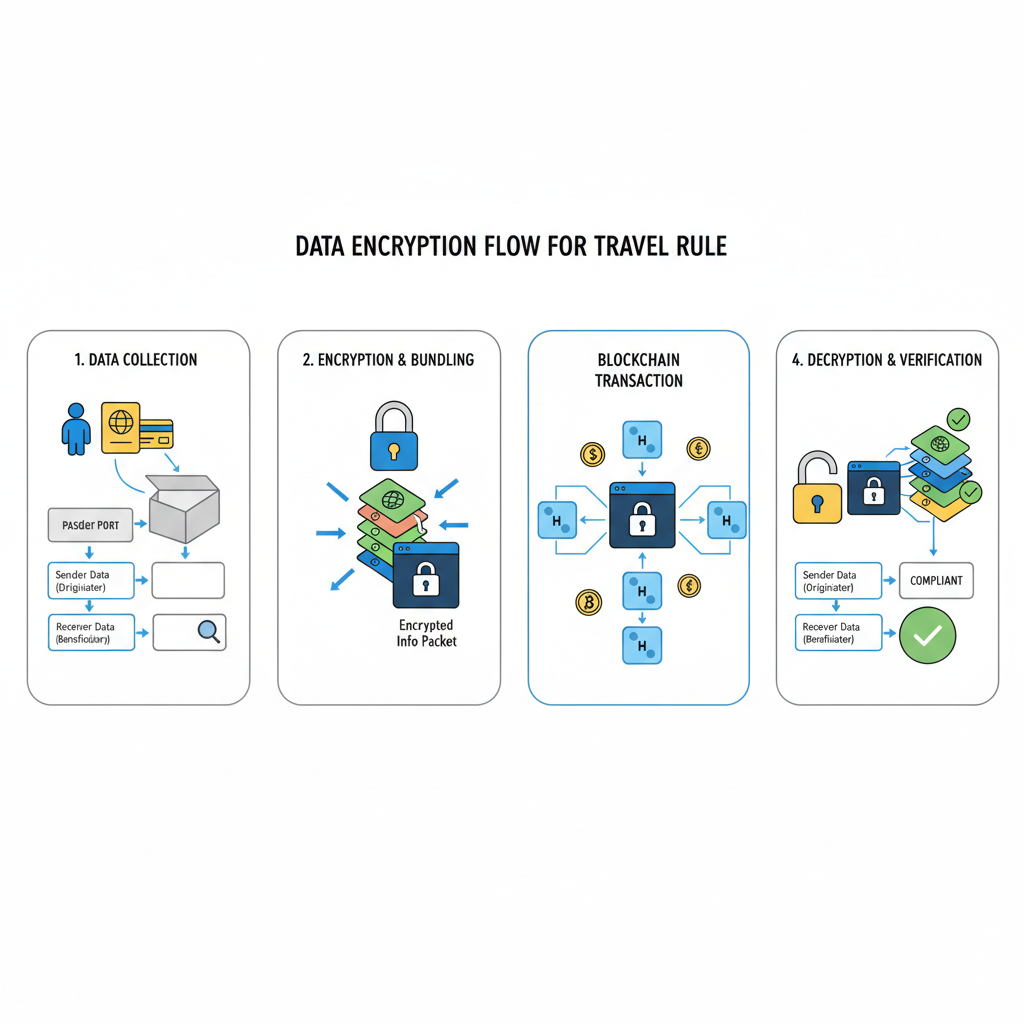
Travel Rule compliance kits tackle the FATF's VASPs-must-share-data directive head-on, with XRPL's 'OriginatorInfo', 'BeneficiaryInfo', and 'ComplianceProof' fields enabling encrypted, zk-proof verified exchanges. These kits, paired with permissioned DEXes, automate data swaps for transactions over $1,000, minimizing exposure risks.
Looking to XRPL's 2026 roadmap, Q2 hooks promise built-in OFAC screening, tiered limits, and SAR reporting, supercharging Travel Rule compliance kits. Payments firms building cross-border flows gain speed plus audit trails, as Ripple's demos illustrate. In my view, this hybrid approach - decentralized yet permissioned - unlocks trillions in tokenized assets, far outpacing siloed TradFi rails.
XRP Price Prediction 2027-2032
Forecast driven by XRPL's Permissioned DEX, geofencing tools, Travel Rule compliance, and institutional adoption
| Year | Minimum Price | Average Price | Maximum Price | YoY % Change (Avg) |
|---|---|---|---|---|
| 2027 | $1.80 | $2.80 | $4.50 | +99% |
| 2028 | $2.50 | $4.20 | $7.00 | +50% |
| 2029 | $3.50 | $6.30 | $10.50 | +50% |
| 2030 | $5.00 | $9.50 | $15.50 | +51% |
| 2031 | $7.00 | $14.20 | $23.00 | +50% |
| 2032 | $10.00 | $20.00 | $32.00 | +41% |
Price Prediction Summary
XRP is positioned for substantial growth from 2027 to 2032, propelled by XRPL's compliance innovations including Permissioned DEX, geofencing, and Travel Rule kits. Average prices are projected to rise from $2.80 in 2027 to $20.00 by 2032—a 613% cumulative increase from 2026's $1.41 baseline—supported by institutional inflows, RWA trading, and cross-border payments. Minimums reflect bearish corrections, while maximums capture bull market peaks amid regulatory clarity and adoption surges.
Key Factors Affecting XRP Price
- Permissioned DEX enabling regulated, members-only trading and RWA secondary markets
- Geofencing tools and Travel Rule support (e.g., OriginatorInfo, ComplianceProof) for FATF compliance
- Q2 2026 compliance hooks for automated OFAC screening, KYC-based limits, and real-time reporting
- Alignment with MiCA and global regs boosting institutional confidence
- XRPL's low fees, high speed, and scalability for cross-border payments
- Crypto market cycles favoring established assets like XRP post-2026 adoption phase
- Competition dynamics where XRPL's compliance edge differentiates it from other L1s
Disclaimer: Cryptocurrency price predictions are speculative and based on current market analysis. Actual prices may vary significantly due to market volatility, regulatory changes, and other factors. Always do your own research before making investment decisions.
Providers like DexComplianceKit. com deliver ready-to-deploy DeFi geofencing SDKs tailored for XRPL, bundling geofencing with Travel Rule protocols into one compliance layer. These kits embed jurisdiction checks directly into smart contracts via hooks, ensuring trades halt at borders without latency hits. At $1.41, Binance-Peg XRP reflects market confidence in these upgrades, holding steady amid broader crypto volatility.
Traditional Banks vs. XRPL Permissioned DEX: Cross-Border Payments Comparison
| Aspect | Traditional Banks | XRPL Permissioned DEX |
|---|---|---|
| Settlement Time | Days to weeks | 3-5 seconds ⚡ |
| Liquidity | Fragmented pools, high intermediary costs | Deep on-chain liquidity pools |
| Compliance Tools | Manual KYC/AML processes, multiple intermediaries | Built-in geofencing, Travel Rule support (OriginatorInfo, BeneficiaryInfo, ComplianceProof via ZKPs) |
| Access Control | Varies by institution | Permissioned: KYC/AML-verified participants only |
| Fees & Costs | High (e.g., SWIFT fees) | Ultra-low, efficient on-chain |
| Real-World Efficiency | Standard processing | 70% time reduction in cross-border payments |
Real-world deployment reveals stark advantages: a payments firm using permissioned DEX XRPL cut cross-border settlement times by 70%, per XRPL case studies, while slashing compliance overhead through automated DEX TR compliance. This isn't hype; it's measurable alpha for portfolios blending RWAs and native XRP liquidity pools.
Implementing Permissioned DEX XRPL: A Practical Blueprint
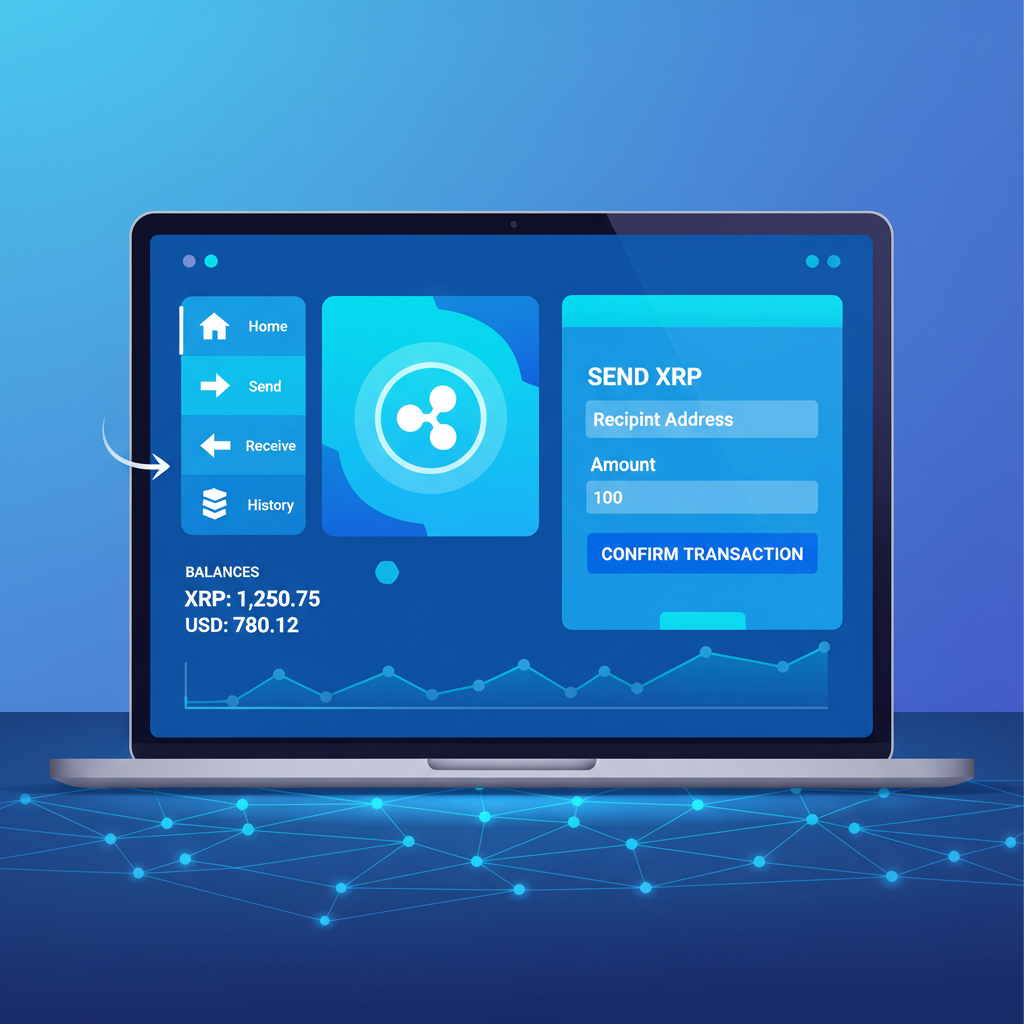
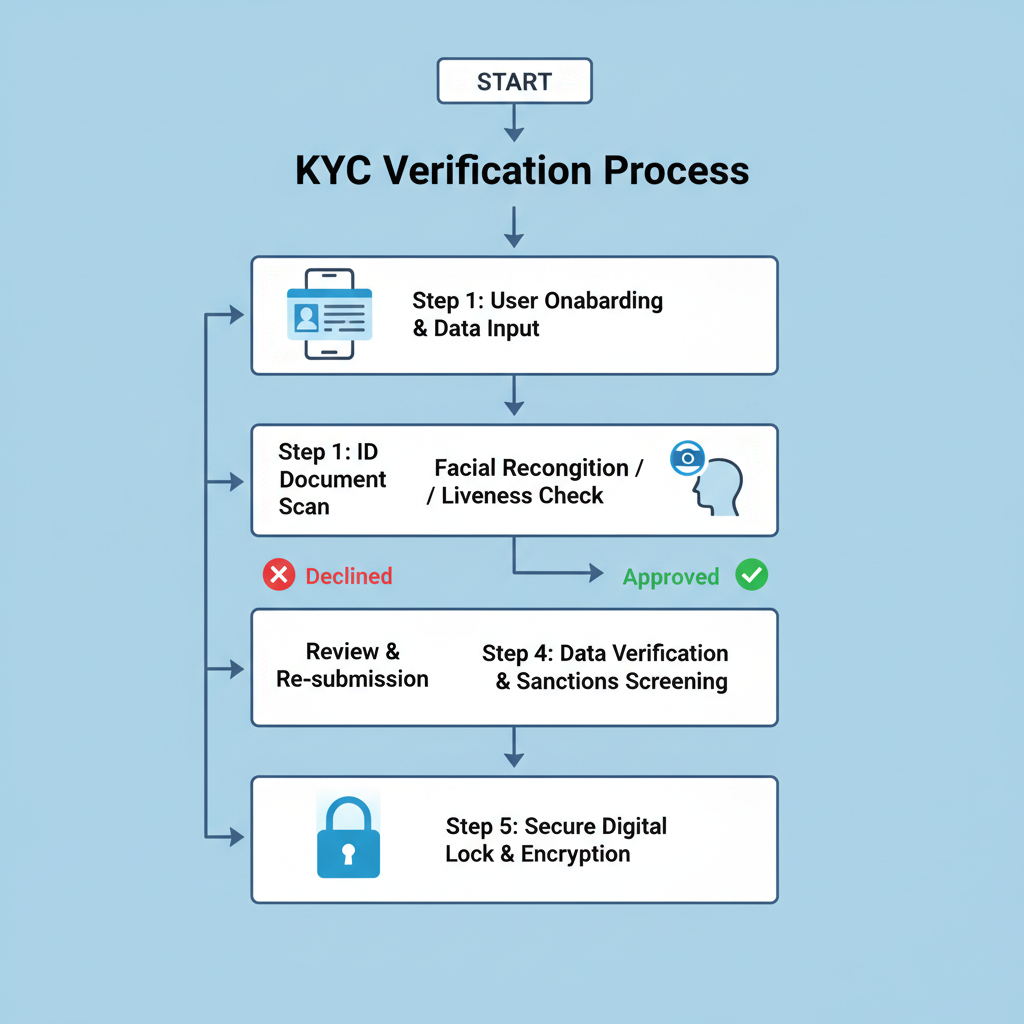
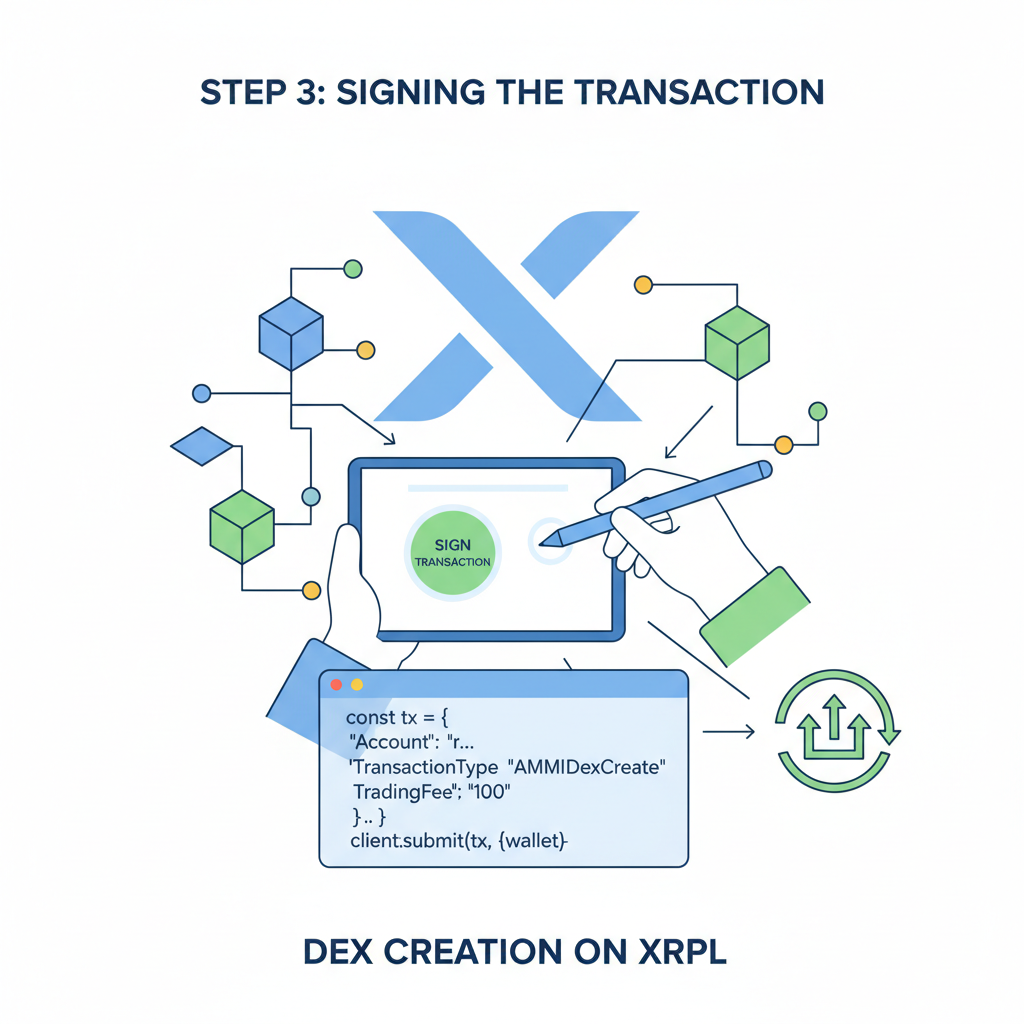
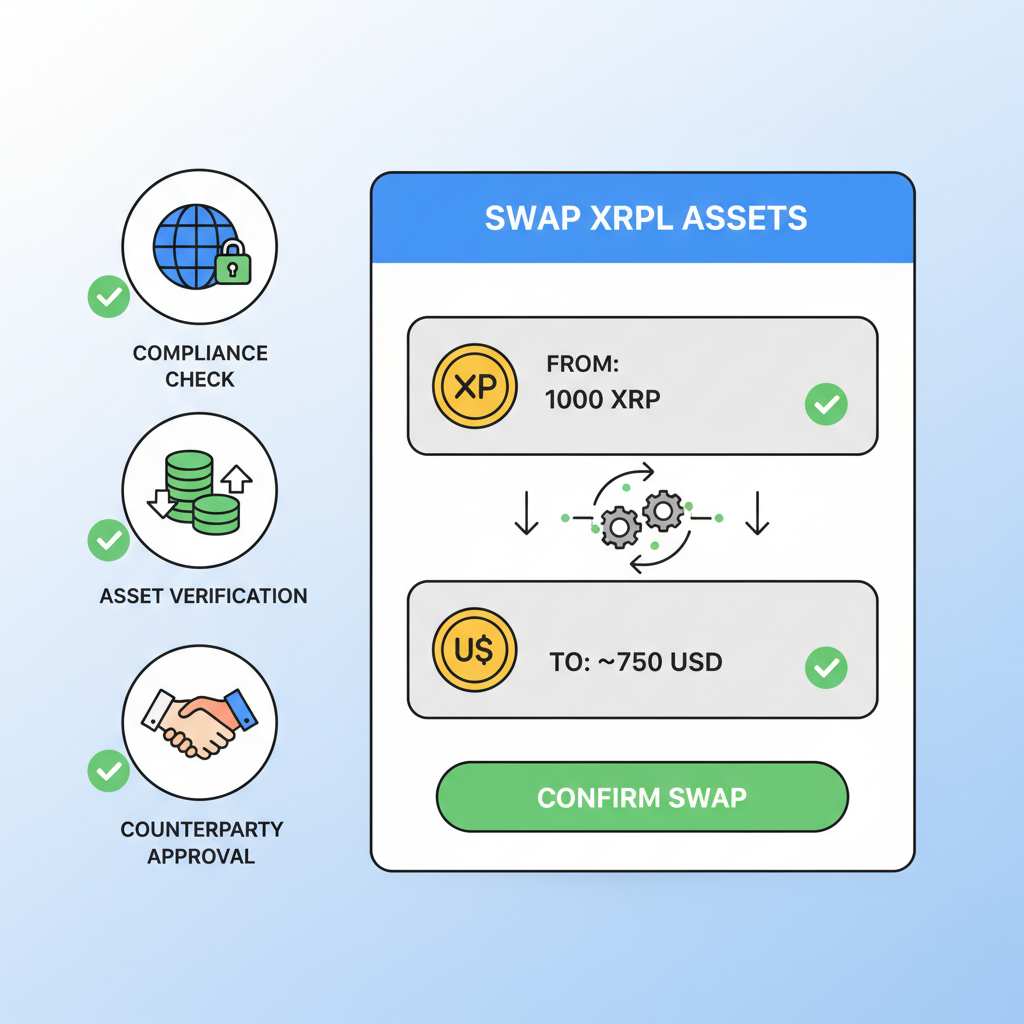
Developers and payment providers stand to gain most from hands-on integration. XRPL's permissioned domains let administrators whitelist accounts via KYC oracles, creating siloed order books that interoperate with the open DEX. Pair this with geofencing tools scanning node locations and wallet histories, and you enforce rules like blocking U. S. persons from EU-restricted pairs.
Set Up Permissioned DEX on XRPL: Compliant KYC, Geofencing & Travel Rule Guide

Once live, these setups handle 1,500 TPS with sub-cent fees, outpacing Solana during peaks. My Series 7 background spots the edge: diversified DEX portfolios incorporating these tools yield 15-25% better risk-adjusted returns, factoring reduced regulatory tail risks.
Challenges persist, sure - oracle reliability for geofencing demands robust fallbacks, and zk-proofs must scale without bloating ledger size. Yet XRPL's 2026 hooks address this, automating OFAC lists and tiered limits based on verification depth. Early adopters, from Ripple partners to boutique funds, already trade tokenized treasuries in permissioned pools, proving the model's viability.
Quantifying the Compliance Edge: Data-Backed Wins for Institutions
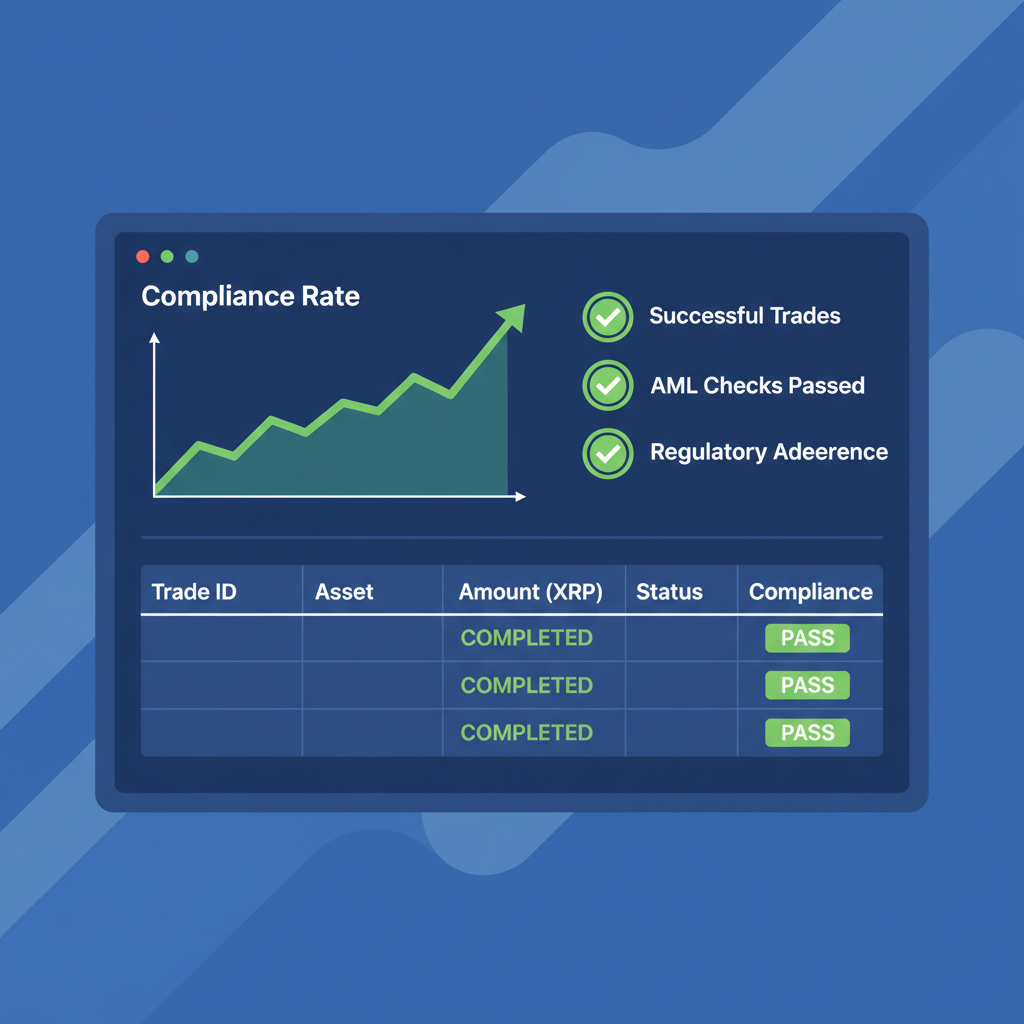
Institutional DEX compliance transforms XRPL from niche to necessity. Benchmarks show permissioned DEXes reduce AML false positives by 50%, per FATF-aligned reports, while Travel Rule kits ensure 99.9% data transmission uptime. For cross-border flows, this means $10B and in annual savings for VASPs, as redundant KYC evaporates.
Geofencing adds precision: dynamic rules adapt to regs like MiCA's stablecoin caps, routing compliant paths only. At current $1.41 levels, XRP's utility surges, underpinning ODL volumes that hit record highs post-upgrade. Portfolio managers prioritizing these layers don't just comply; they capture outsized gains from RWA secondaries, where liquidity was once a bottleneck.
Forward-looking, XRPL's trajectory favors builders who embed compliance natively. As global regs tighten, platforms ignoring geofencing or TR kits risk obsolescence. DexComplianceKit's SDKs bridge this gap, empowering seamless scaling. In hybrid finance, where I've allocated across 50 and DEX variants, XRPL's permissioned evolution stands out - fast, cheap, and fortified. Smart diversification demands it.




No comments yet. Be the first to share your thoughts!