
In the fast-evolving world of DeFi by 2026, DEX geofencing has become a non-negotiable shield for decentralized exchanges navigating a minefield of global regulations. As protocols scale to institutional levels, blocking high-risk jurisdictions isn't just smart, it's survival. Picture this: FATF's latest guidance flags DeFi platforms without solid customer due diligence as prime illicit finance vectors, pushing DEXs to deploy precise geolocation tech to stay compliant without sacrificing decentralization.

The landscape shifted dramatically post-2025. MiCA in the EU and expansive Travel Rule mandates now rope in DEXs as VASPs in many eyes. Grant Thornton's outlook warns of stricter AML enforcement and sanctions screening, while DEXTools highlights institutional infrastructure as DeFi's north star, blending tokenization with privacy protocols. Yet, here's the rub: permissionless access clashes with regulators demanding geo-blocks on places like sanctioned regions or high-ML/TF hotspots.
Why DEXs Can't Ignore Geofencing Anymore
Enforcement is heating up. The CFTC's 2023 settlements with DeFi protocols for unregistered ops set a precedent, and by 2026, it's routine. GeoComply's whitepaper notes crypto's risk fever, where DEXs must pinpoint user locations to enforce blocks. But VPNs and wallet hopping? They're real hurdles, making hybrid solutions like KYT monitoring essential alongside geofencing.
Enter decentralized exchange geofencing: tools that integrate seamlessly into smart contracts or frontends, using IP analysis, device signals, and even on-chain heuristics to flag and halt trades from prohibited zones. This preserves DeFi's ethos while ticking FATF boxes. Moltbook predicts a regulated EU DeFi scene, and InnReg's Travel Rule guide stresses sharing originator/beneficiary data, amplified by geo-restrictions.
Building Blocks of Effective DEX Geofencing
Top-tier geofencing for DeFi compliance hinges on accuracy, speed, and integration ease. Precision IP databases combat VPN evasion, while AI-driven risk engines layer on behavioral analysis. BlockSec's framework calls this a technical must-have, embedding compliance into protocols via SDKs. Aurum. law questions if RWAs can thrive permissionlessly, but tools prove yes, with geo-blocks coexisting.
Top 7 DEX Geofencing Tools' Key Features
- #7 DexComplianceKit Geofencing SDK: Plug-and-play SDK for DEXs to block IPs from sanctioned regions like North Korea or Iran, with seamless Travel Rule integration for VASP compliance in 2026.

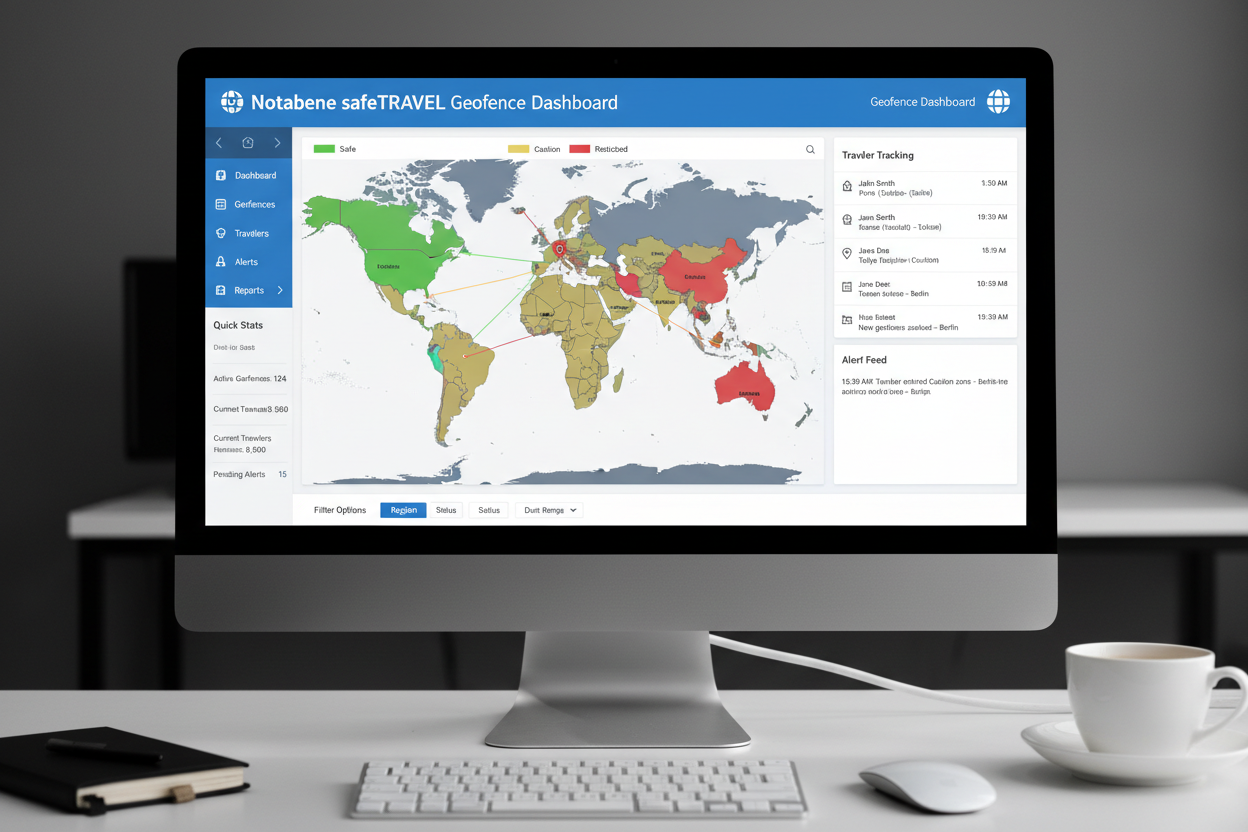
- #6 Notabene safeTRAVEL Geofence: Combines geofencing with Travel Rule data sharing, automatically flags and blocks transactions from high-risk jurisdictions while preserving DeFi privacy.
- #5 Chainalysis Protect: Real-time KYT monitoring paired with geoblocking detects and prevents access from AML-sanctioned areas, vital for DEXs facing FATF scrutiny.

- #4 TRM Labs GeoRisk Engine: Advanced risk scoring engine uses geo-data to enforce blocks on high-risk countries, supporting MiCA and institutional DeFi trends.
- #3 Elliptic Assure: Ensures on-chain compliance with precise geofencing, blocking illicit flows from prohibited regions and aiding CFTC registration pathways.
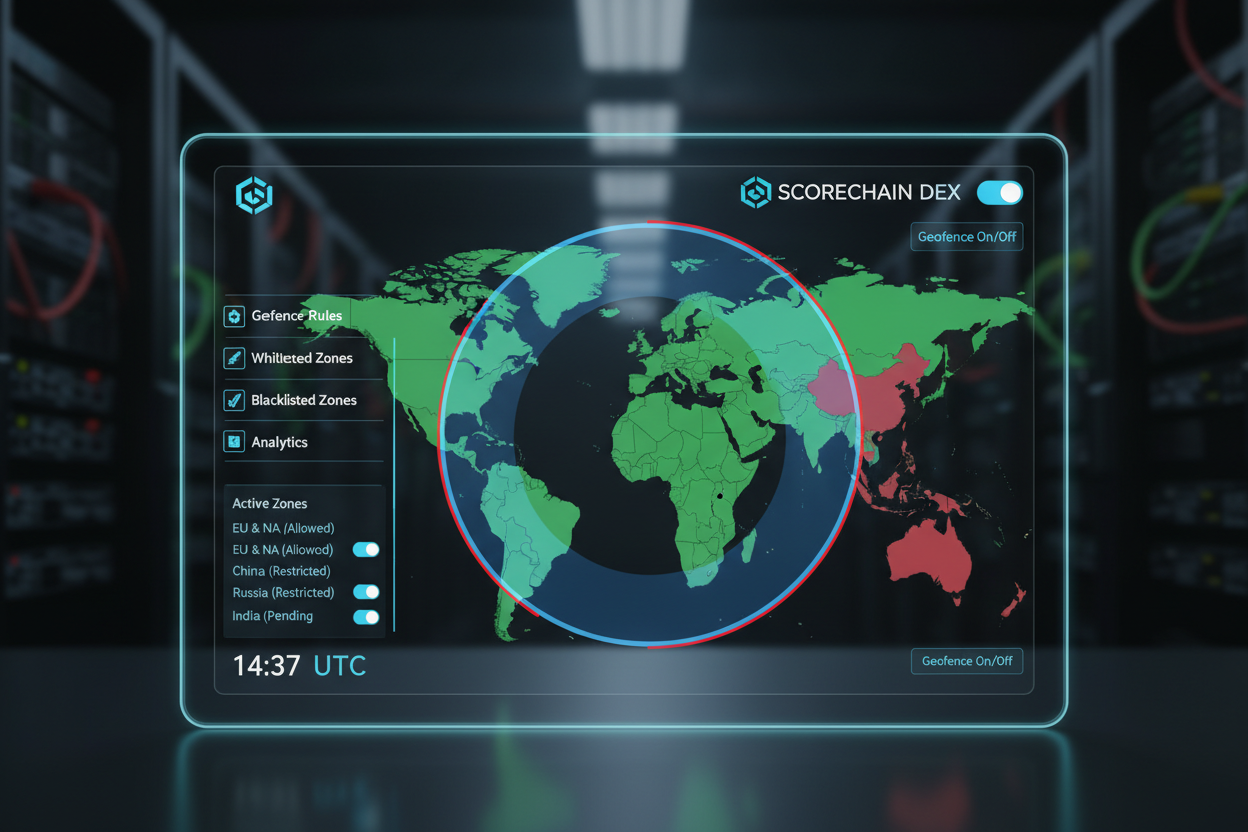
- #2 Scorechain DEX Geofence: Tailored for DEXs, offers programmatic geo-blocking and transaction risk alerts to meet 2026 Travel Rule mandates without centralization.
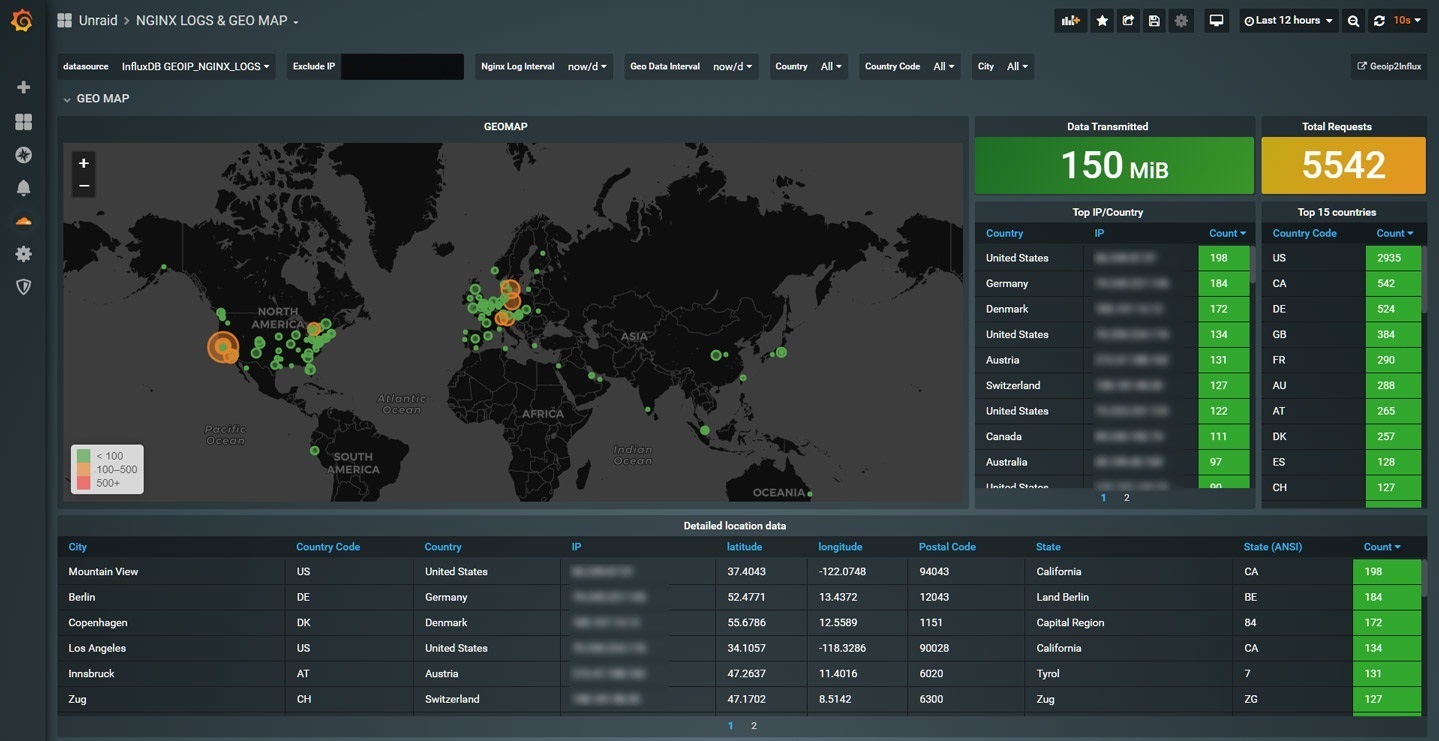
- #1 MaxMind GeoIP2 Precision: Industry-leading IP geolocation accuracy (99%+), powers DEX blocks on high-risk jurisdictions like Russia or Venezuela, countering VPN evasions.
Let's dive into the standouts. First, DexComplianceKit Geofencing SDK leads the pack for DEX developers. Tailored for DeFi, it offers plug-and-play geofencing with Travel Rule kits, blocking jurisdictions via SDK calls in your frontend or contracts. Real-time updates cover OFAC lists and FATF greylists, all while keeping things decentralized, no KYC walls needed.
Next, Notabene safeTRAVEL Geofence shines in Travel Rule synergy. It combines geo-blocking with VASP data sharing, ensuring compliant cross-border swaps. Perfect for DEXs eyeing institutional liquidity, it flags high-risk zones pre-transaction, reducing false positives through machine learning.
Standout Tools Powering Compliance in 2026
Chainalysis Protect takes blockchain forensics to geo-levels. Beyond wallet screening, its geofencing module correlates IP with on-chain activity, blocking high-risk jurisdictions dynamically. TRM Labs GeoRisk Engine ups the ante with global risk mapping, integrating sanctions and ML scores for proactive DEX blocks.
Elliptic Assure brings enterprise-grade assurance, using navigator data for sub-country precision. Scorechain DEX Geofence focuses on multi-chain support, vital as DeFi sprawls across L2s. Rounding out, MaxMind GeoIP2 Precision delivers the raw IP accuracy backbone, often bundled for cost-effective setups.
These tools aren't just checkboxes; they're battle-tested for 2026's regulatory gauntlet. DexComplianceKit stands out for its DeFi-native SDK, letting developers drop in geofencing with minimal gas overhead. Notabene pairs it perfectly with Travel Rule data flows, while Chainalysis and TRM Labs add forensic depth, spotting risks that IP alone misses. Elliptic's precision shines in RWA-heavy DEXs, Scorechain handles L2 fragmentation, and MaxMind provides the affordable foundation everyone builds on.
Comparing the Top 7: Which Fits Your DEX?
Choosing the right crypto geofencing tools 2026 depends on your protocol's scale and chain focus. Institutional DEXs lean toward Chainalysis or Elliptic for robust analytics, while lean startups favor DexComplianceKit or MaxMind for quick wins. Notabene excels if Travel Rule is your bottleneck, and TRM or Scorechain for multi-chain sprawl.
Comparison of Top 7 DEX Geofencing Tools (2026)
| Tool | Key Strength | Multi-Chain Support | Travel Rule Integration | Pricing Tier (Low/Med/High) |
|---|---|---|---|---|
| DexComplianceKit Geofencing SDK | Seamless DEX SDK integration with VPN detection | ✅ EVM, Solana, Cosmos (20+ chains) | ✅ Native | Med |
| Notabene safeTRAVEL Geofence | FATF-compliant Travel Rule enforcement | ✅ Multi-chain (Ethereum, Polygon, Arbitrum) | ✅ Native | High |
| Chainalysis Protect | Advanced on-chain risk scoring & KYT | ✅ 50+ chains | ✅ API | High |
| TRM Labs GeoRisk Engine | Real-time jurisdiction & sanctions screening | ✅ EVM-focused (15 chains) | ✅ Full | Med |
| Elliptic Assure | AML/CDD with geoblocking precision | ✅ Multi-chain | ✅ Native | High |
| Scorechain DEX Geofence | Privacy-preserving geofencing for DeFi | ✅ Ethereum, BSC, Base | ✅ Partial | Low |
| MaxMind GeoIP2 Precision | High-accuracy IP geolocation services | 🔗 Chain-agnostic | ❌ Via partners | Low |
Integration is straightforward across the board. Most offer REST APIs or Web3 SDKs, hooking into your DEX frontend via middleware. For on-chain enforcement, DexComplianceKit and Scorechain provide oracle feeds that trigger contract pauses on geo-flags. This hybrid approach dodges VPN pitfalls by cross-referencing wallet histories with IP signals, as Chainalysis Protect demonstrates in real-time risk scoring.
Overcoming Geofencing Hurdles in DeFi
VPN circumvention remains the elephant in the room. Tools like TRM Labs GeoRisk Engine counter this with device fingerprinting and behavioral ML, flagging anomalous patterns. Elliptic Assure layers in navigator APIs for 95% and accuracy, even behind proxies. Pairing geofencing with KYT, as BlockSec advocates, creates a moat: monitor transactions post-geo-check for sanctions evasion attempts.
Regulatory whiplash adds another layer. MiCA demands EU geo-blocks, while U. S. rules scrutinize derivatives exposure. Provenance notes banks now demand on-chain diligence, so DEXs using Notabene safeTRAVEL see smoother liquidity ramps. Coinspaid Media warns hackers outpace compliance, but these tools close the gap with sub-second blocking.
DeFi's permissionless soul thrives under these constraints. Tokenization booms, AI agents trade seamlessly within bounds, and privacy protocols layer atop geo-fences. DEXTools' trends point to DEX innovation leading institutional adoption, but only with tools like MaxMind GeoIP2 Precision ensuring block jurisdictions DEX mandates without central chokepoints.
Forward-thinking protocols embed compliance from genesis. Start with a risk matrix: map jurisdictions via FATF greylists, then layer tools for precision. Scorechain DEX Geofence, for instance, auto-updates for new hotspots like evolving OFAC designations. This proactive stance turns regulation from foe to feature, unlocking institutional TVL.
By mid-2026, expect geofencing to evolve with zero-knowledge proofs, proving location without revealing it. Tools will adapt, as Chainalysis and Elliptic already experiment with zk-geo oracles. DEX developers, this is your cue: weave in DexComplianceKit or TRM today, scale tomorrow. Compliance isn't a drag; it's the decentralization upgrade DeFi needs to dominate.




No comments yet. Be the first to share your thoughts!