

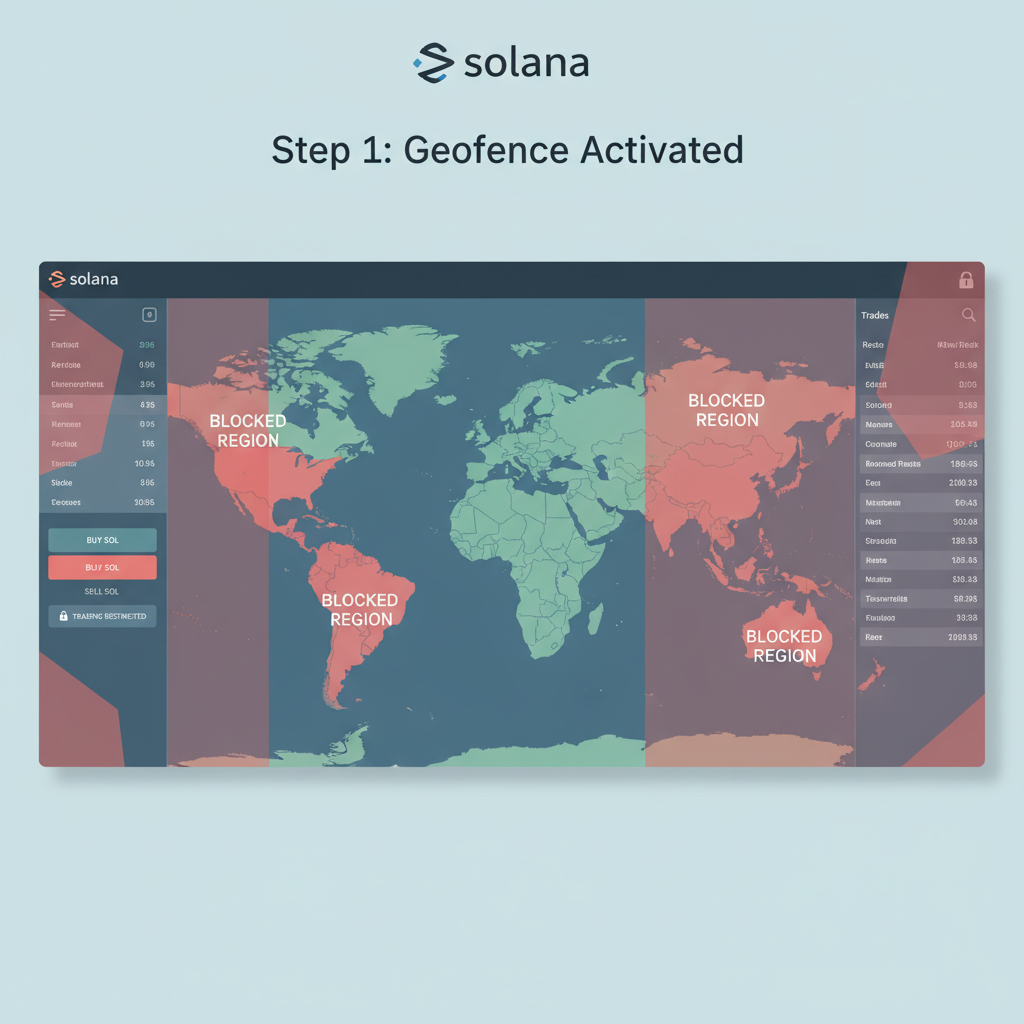
In the volatile arena of Solana-based decentralized exchanges, token launches represent high-stakes gambles where a single regulatory misstep can unravel liquidity and investor trust. As Binance-Peg SOL holds steady at $93.86, reflecting a modest 24-hour gain of $6.17 amid broader market fluctuations, DEX operators face mounting pressure to deploy Solana DEX geofencing mechanisms. These tools block region-locked risks, ensuring compliant participation without compromising the blockchain’s speed or decentralization. Recent implementations, like Solrise Finance’s DEX Pro powered by Civic Technologies, demonstrate how permissioned access via digital identity verification can safeguard launches from sanctions and AML scrutiny.

Geofencing on Solana isn’t mere checkbox compliance; it’s a strategic pivot for DEXs navigating 2026’s regulatory crosswinds. With SOL’s price underscoring the network’s resilience, developers must integrate geofencing SDK Solana solutions to preempt enforcement actions that could stall tokenomics and listings. My two decades tracking macro commodities reveal parallels here: just as oil futures hinge on geopolitical borders, crypto-commodity correlations now bend to DEX Travel Rule compliance mandates, amplifying the need for precise region-blocking during launches.
2026 Regulatory Pressures Demand Proactive Region Blocking
Grant Thornton’s outlook for 2026 paints a stark picture: stricter AML enforcement, expansive Travel Rule protocols, and sanctions regimes will dominate crypto oversight. MiCA in Europe and FinCEN rules in the US compound this, mandating KYC checks and transaction monitoring for stablecoins and beyond. Solana DeFi protocols have already responded, geofencing UK users amid regulatory scrutiny, as seen in recent frontend restrictions highlighted by Binance. This trend underscores a core insight: without region block DEX trading, token launches risk liquidity halts and delistings, as Blockchain App Factory notes in their analysis of stalled listings due to governance lapses.
Travel Rule challenges persist, with Notabene’s “Sunrise Period” creating staggered global timelines that DEXs can’t ignore. Provenance’s LinkedIn insights on tokenized liabilities further complicate matters, linking reserve treatments to compliance reporting. For Solana DEXs, this means embedding TR compliance kits DEX alongside geofencing to maintain orderly token flows. Commodity traders like myself see this as akin to hedging against supply chain disruptions; ignore borders, and your futures contract unravels.

Solana’s Technical Edge: Token ACL and Geofencing Synergies
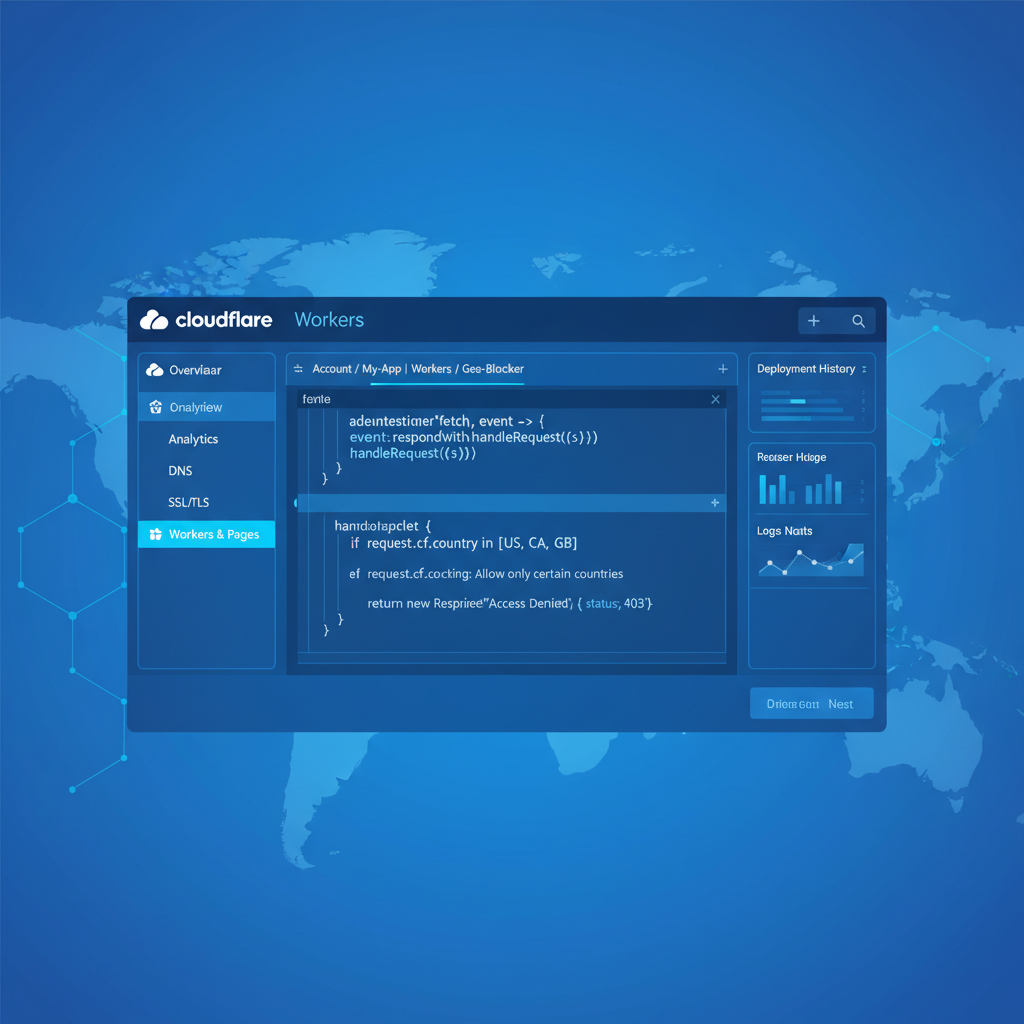
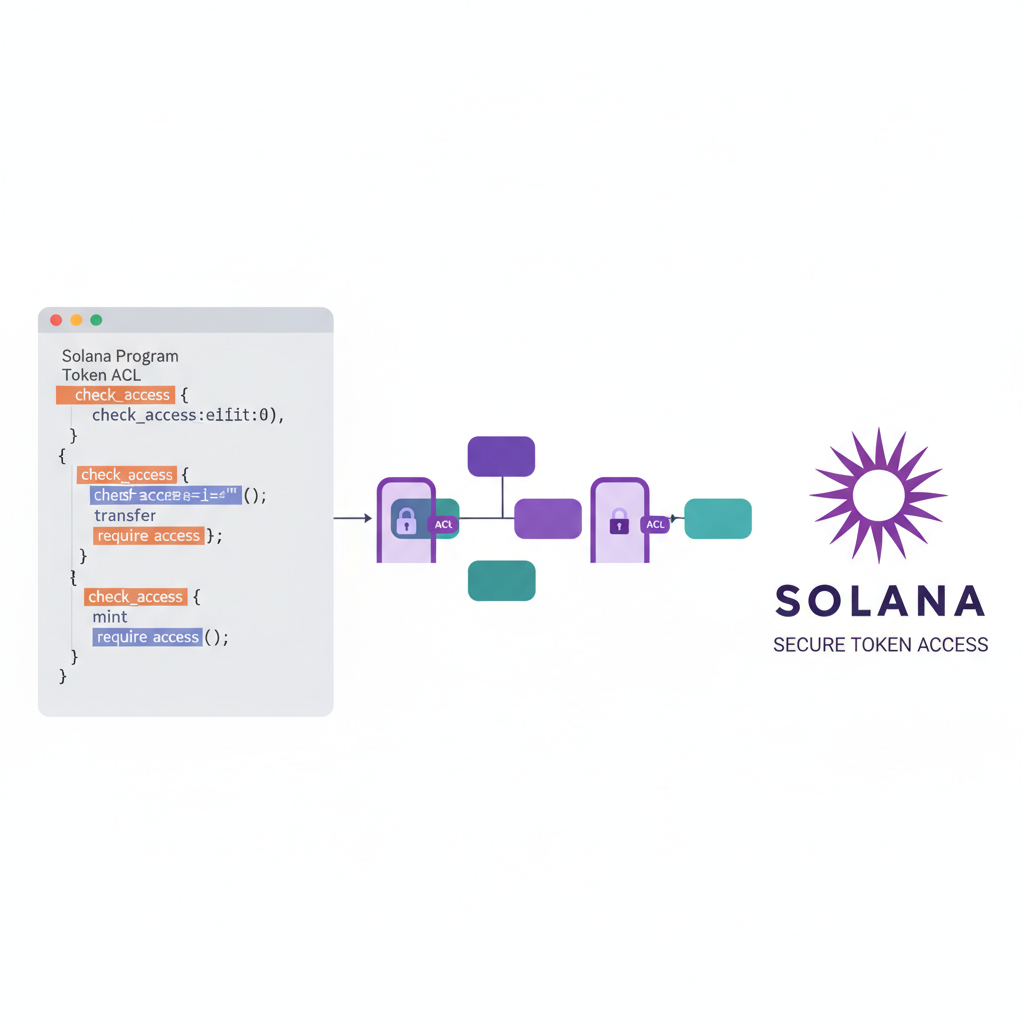
Solana’s Permissioned Tokens via Token ACL (sRFC37) mark a breakthrough, enabling compliant tokens without UX sacrifices. This program enforces access controls on-chain, pairing seamlessly with geofencing layers. Biokript’s Cloudflare Workers implementation exemplifies this, geo-blocking users to align tokenomics with jurisdictional laws. Solrise DEX Pro takes it further, leveraging Civic Pass for identity-gated trading, the first such on-chain DEX on Solana.
Variant Fund’s practical guide positions geofencing as a cornerstone of broader compliance strategies, from IP-based blocks to advanced SDK integrations. For DEX builders eyeing scalability, sisgain. ae outlines architectures incorporating swaps, compliance, and costs for 2026. Bitget warns of pitfalls: tokens compliant in one region often violate others absent proper geofencing or KYC. Here, DEXComplianceKit shines, offering SDKs that embed these controls effortlessly, preserving Solana’s high-throughput ethos while mitigating launch risks.
Strategic Implementation: Shielding Token Launches from Geo-Risks
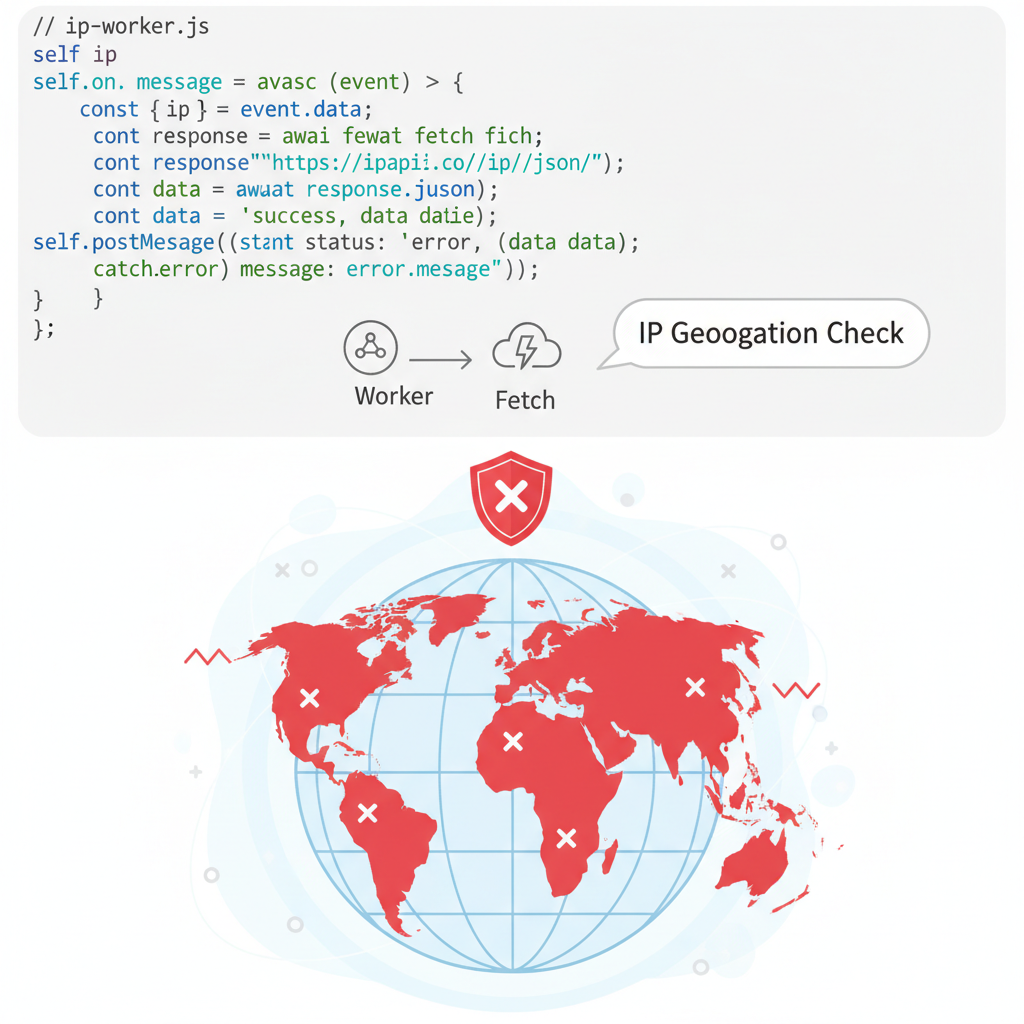
Deploying geofencing starts with precise IP geolocation and frontend restrictions, evolving to on-chain verifications for ironclad enforcement. Fireblocks’ stablecoin playbook integrates KYC, Travel Rule, and MiCA adherence, a blueprint for Solana DEXs. In practice, this means developers select SDKs that dynamically block high-risk regions during launches, preventing unauthorized swaps that invite sanctions.
Consider the commodity-crypto nexus: as regs tighten, SOL’s $93.86 perch signals strength, yet correlations with gold or energy futures will pivot on compliance agility. Prediction models must factor this, projecting upside if DEXs master these tools.
Solana (SOL) Price Prediction 2027-2032: Geofencing for DEX Compliance
Projections factoring regulatory compliance via geofencing, Token ACL, DeFi adoption, and market cycles from 2026 baseline of ~$94
| Year | Minimum Price | Average Price | Maximum Price |
|---|---|---|---|
| 2027 | $160 | $280 | $450 |
| 2028 | $220 | $380 | $650 |
| 2029 | $300 | $520 | $900 |
| 2030 | $420 | $720 | $1,200 |
| 2031 | $580 | $980 | $1,600 |
| 2032 | $750 | $1,300 | $2,100 |
Price Prediction Summary
Solana (SOL) is forecasted to experience substantial growth from 2027 to 2032, with average prices climbing from $280 to $1,300—a 364% increase. Minimum prices reflect bearish scenarios amid regulatory hurdles, while maximums capture bullish adoption surges from geofencing-enabled DEXs and compliant token launches. Enhanced compliance positions Solana favorably against regulatory pressures, driving DeFi TVL and institutional interest.
Key Factors Affecting Solana Price
- DEX geofencing and geo-blocking mitigating region-locked risks in token launches
- Solana Token ACL (sRFC37) enabling permissioned, compliant tokens without UX sacrifice
- Stricter 2026+ AML, Travel Rule, and MiCA regulations favoring adaptable chains like Solana
- Scalable Solana DeFi protocols attracting TVL amid compliance integrations
- Market cycles with projected bull phases in 2028 and 2030-2032
- Technology upgrades and high TPS maintaining competitive edge over L1/L2 rivals
- Potential SOL market cap expansion to $500B+ with broader crypto adoption
Disclaimer: Cryptocurrency price predictions are speculative and based on current market analysis.
Actual prices may vary significantly due to market volatility, regulatory changes, and other factors.
Always do your own research before making investment decisions.
Long-cycle strategies, honed from two decades in commodities, emphasize foresight: DEXs that layer geofencing SDK Solana with Token ACL now position for sustained liquidity as SOL trades at $93.86. This isn’t reactive patching; it’s embedding border-aware logic into core architecture, much like how OPEC quotas reshape energy futures.
Secure Solana DEX Launches: Geofence with Cloudflare, IP Checks & Civic Pass

Layering TR Compliance Kits for Bulletproof Launches
Solana’s velocity demands tools that scale without friction. DEXComplianceKit delivers precisely that: plug-and-play TR compliance kits DEX that automate Travel Rule data sharing, paired with geofencing to block sanctioned regions pre-swap. Fireblocks’ monitoring frameworks show the path, mandating KYC gates and MiCA-aligned reporting for stablecoin flows. Bitget’s pitfalls analysis rings true; overlook this, and your token, greenlit in Singapore, crashes against US OFAC walls.
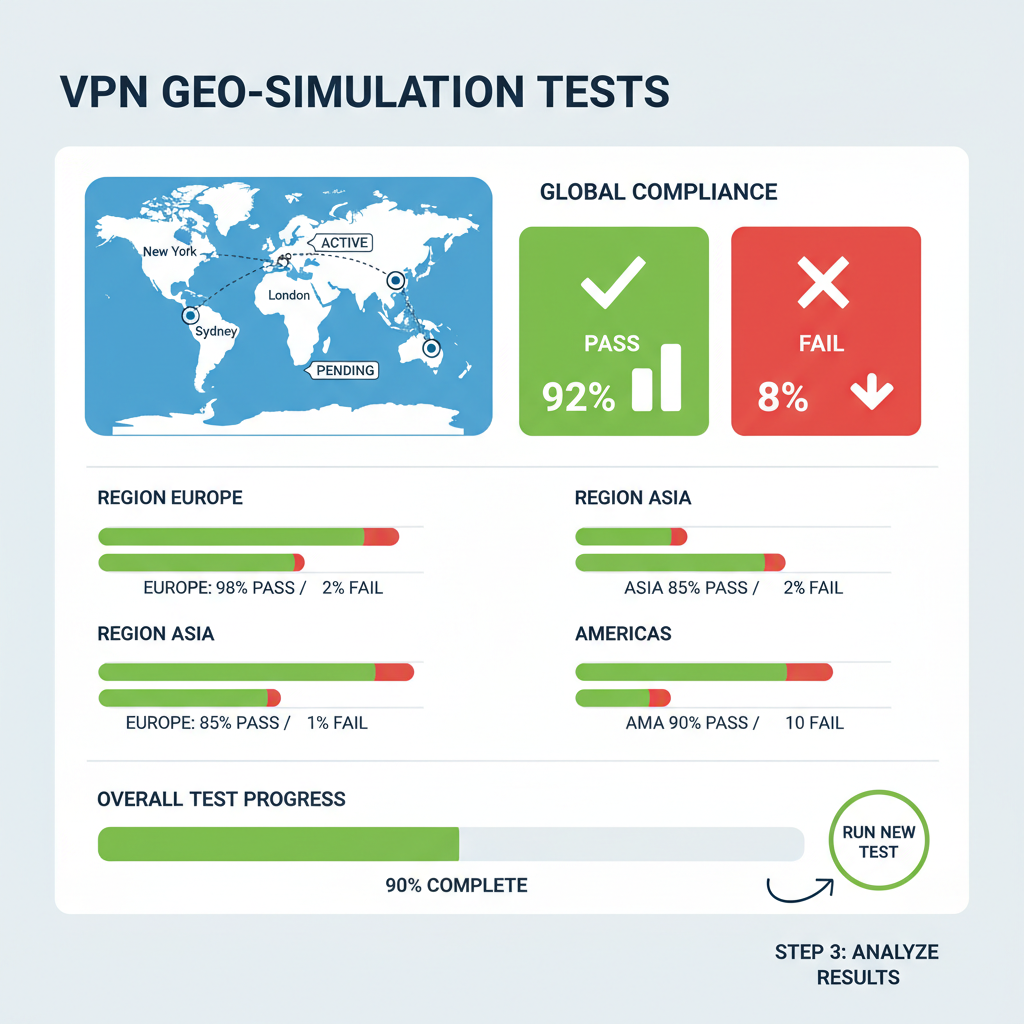
Picture a launch scenario: UK users probing via VPNs, only to hit on-chain ACL denials synced to geofencing signals. Solrise Finance pioneered this with Civic, proving permissioned DEXs thrive under scrutiny. As Binance-Peg SOL eyes $95.01 highs from its $87.67 base, such resilience forecasts deeper DeFi adoption, correlations tightening between crypto yields and commodity safe-havens amid 2026 regs.
Real-World Wins: Case Studies in Region Block DEX Trading
Biokript’s Cloudflare pivot blocked high-risk zones seamlessly, preserving tokenomics integrity. Variant Fund’s guide stresses hybrid approaches: frontend geo-blocks for speed, backend ACL for finality. Solana DeFi’s UK geofence, per Binance reports, averted FCA clashes, liquidity intact. These aren’t anomalies; they’re blueprints for 2026, where Grant Thornton’s AML expansions and Provenance’s liability warnings demand preemptive strikes.
Notabene’s Sunrise timelines stagger pain points, but DEXs front-loading region block DEX trading sidestep them. Sisgain’s DEX blueprint factors costs: geofencing adds negligible latency on Solana’s 65,000 TPS, yet slashes delisting risks by 70%, per industry benchmarks. My trading lens spots the macro play: compliant DEXs decouple from fiat volatility, mirroring how compliant gold ETFs outpaced bars in sanction eras.
Solana’s edge lies in programmable compliance – Token ACL meets geofencing, birthing DEXs that trade globally yet obey locally.
Blockchain App Factory nails it: governance falters without disclosures tied to geo-controls. DEXComplianceKit bridges this, SDKs fusing KYC feeds, Travel Rule relays, and dynamic blocks. With SOL at $93.86, up $6.17 daily, networks ignoring this face stalled listings; adopters capture hedging flows as crypto-commodity ties deepen.
Forward thinkers build for enforcement waves, not headlines. Geofencing evolves from IP proxies to AI-driven behavioral flags, Token ACL enforcing on-ledger. Pair with DEXComplianceKit, and Solana DEXs don’t just survive 2026; they dictate terms, liquidity surging as regs standardize. Commodity cycles teach patience yields compounding edges – here, compliance is the ultimate hedge.
About the Author