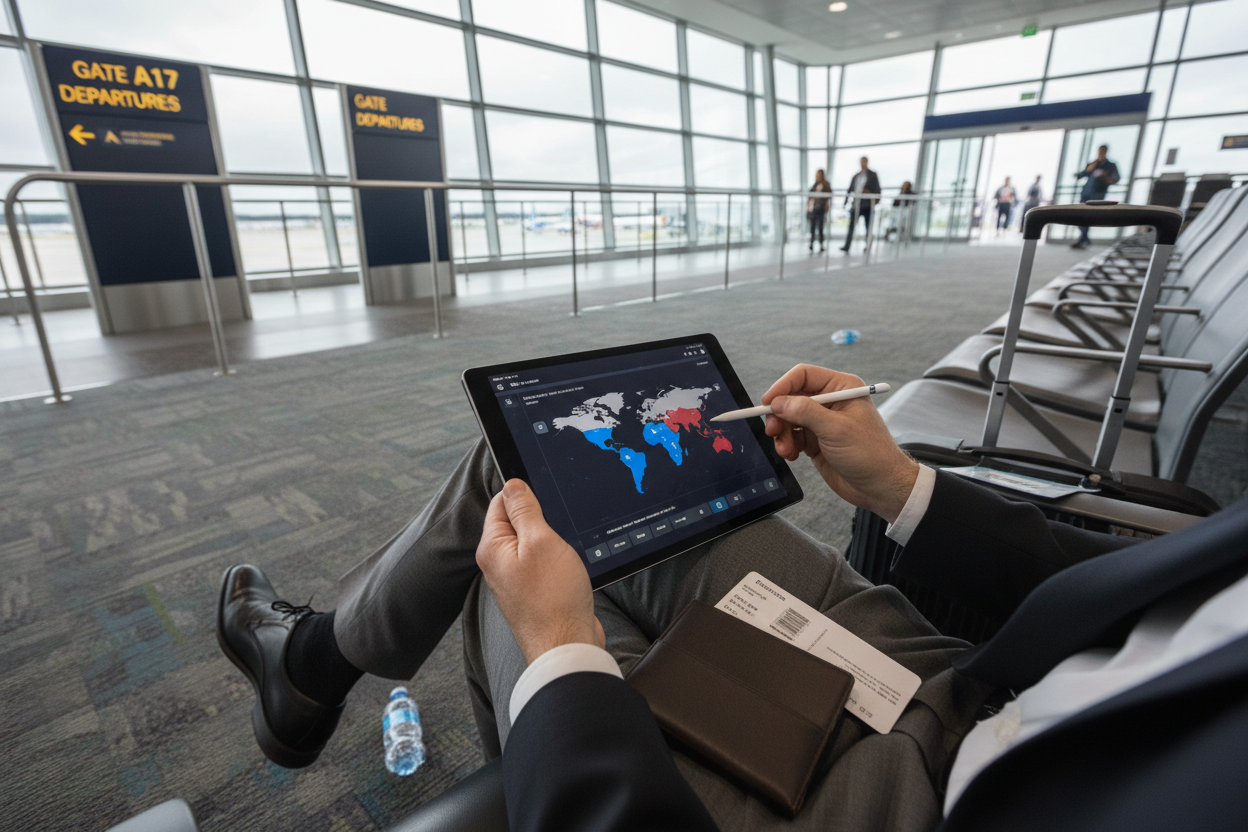


As decentralized exchanges face mounting regulatory pressures in 2026, geofencing emerges as a cornerstone for geofencing DEX compliance. With 85 jurisdictions now enforcing FATF Travel Rule protocols, DEX operators must erect virtual barriers to shield against transactions originating from restricted regions like Cuba, Iran, North Korea, Syria, and parts of Russia. These tools, blending GPS precision with Wi-Fi triangulation and cellular data, not only block access but also thwart VPN circumventions, preserving the decentralized ethos while satisfying FinCEN and OFAC mandates.

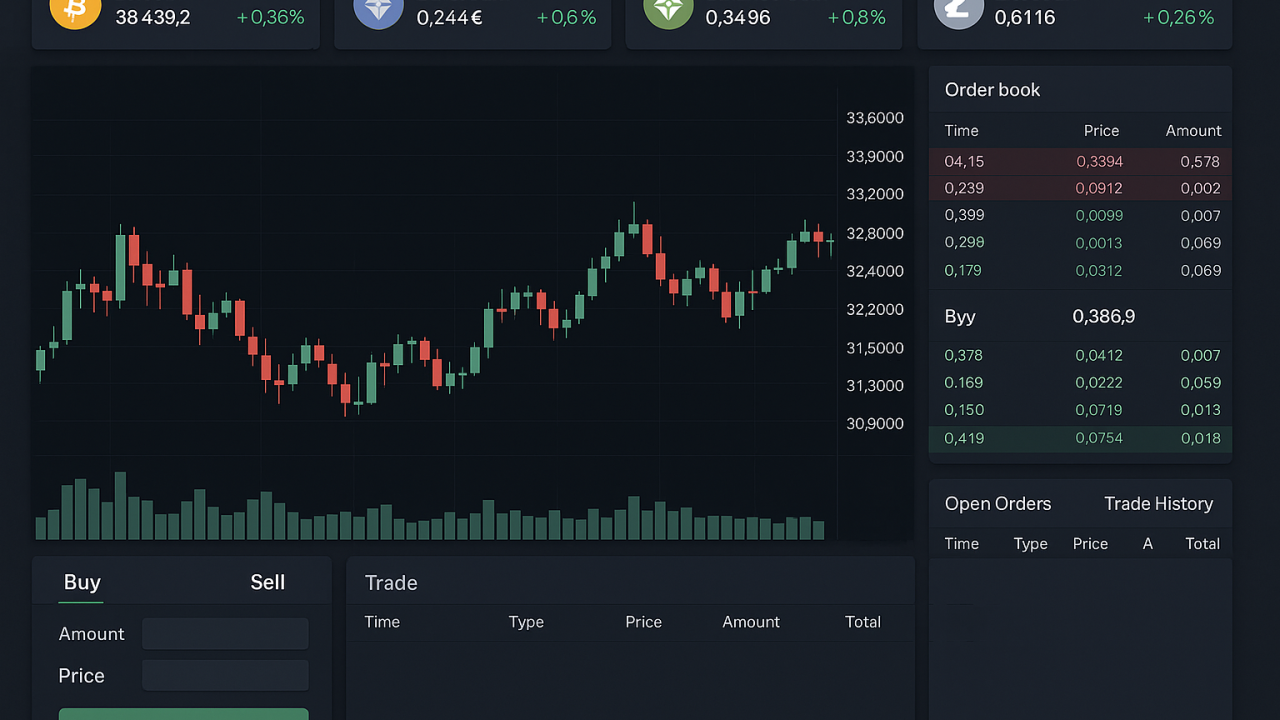
From my vantage as a macro commodities trader with two decades tracking global regs, I’ve seen how DEX TR compliance 2026 reshapes crypto-commodity correlations. Gold and oil futures, long insulated from digital volatility, now hedge against Bitcoin’s swings precisely because regulators demand transparency in virtual asset flows. Geofencing isn’t mere tech; it’s a strategic moat ensuring DEXs thrive amid enforcement waves.
Deciphering Travel Rule Mandates Across Jurisdictions
The Travel Rule, codified under FinCEN’s BSA at 31 CFR 103.33(g), compels VASPs to transmit originator and beneficiary details for transfers exceeding thresholds. Yet enforcement fractures globally: while the US insists on full compliance for any VASP touching its markets, only half of surveyed jurisdictions have formalized rules. This disparity forces DEXs to adopt proactive restricted regions DEX block measures, as ordering institutions can enforce Travel Rule reciprocity regardless of beneficiary locale, per FATF best practices.
| Jurisdiction | Travel Rule Status | Geofencing Priority |
|---|---|---|
| US (FinCEN) | Full enforcement 2025 and | High 🚫 |
| China (incl. HK) | Data transfer bans | Critical 🔒 |
| Sanctioned (Cuba, Iran, etc. ) | OFAC prohibited | Absolute ❌ |
| EU (85 FATF-aligned) | Legislated | Medium ⚠️ |
Geographic screening under the 50% rule amplifies urgency: if over half a platform’s users hail from sanctioned zones, the entire operation risks designation. DEXs sidestep this via dynamic geofencing, which layers IP geolocation with device sensors for sub-city accuracy.
Engineering Robust Geofencing Against Spoofing Threats
Basic IP blocks falter against savvy actors deploying proxies or residential VPNs. Enter 2026’s evolved arsenal: hybrid detection fusing GPS signals, ambient Wi-Fi signatures, and tower pings to fingerprint true location. This multi-signal approach, as DEXs integrate via SDKs like DexComplianceKit, flags anomalies in real-time, enforcing KYC geofencing integration that ties user identity to physical presence.
Consider the DOJ’s data security edicts curtailing cross-border flows to China; geofencing preempts violations by preemptively denying service. In commodities trading parallels, it’s akin to circuit breakers halting futures pits during flash crashes – automated, impartial safeguards that maintain market integrity.
Orchestrating Travel Rule Kits with Geofencing Synergies
Travel rule DEX kits shine when paired with geofencing, forming a compliance stack that automates originator-beneficiary data relay only for vetted locales. Providers like those at DexComplianceKit offer plug-and-play modules, enabling DeFi protocols to query KYC providers pre-transaction while erecting invisible walls. This isn’t compliance theater; it’s long-cycle strategy, positioning DEXs to capture compliant capital flows as regs consolidate.
Strategically, operators should prioritize jurisdictions with nascent enforcement, using geofencing dashboards for predictive analytics. Monitor FATF gray lists for shifts, adjusting perimeters dynamically to hedge regulatory downside – much like layering commodity spreads against geopolitical flares.
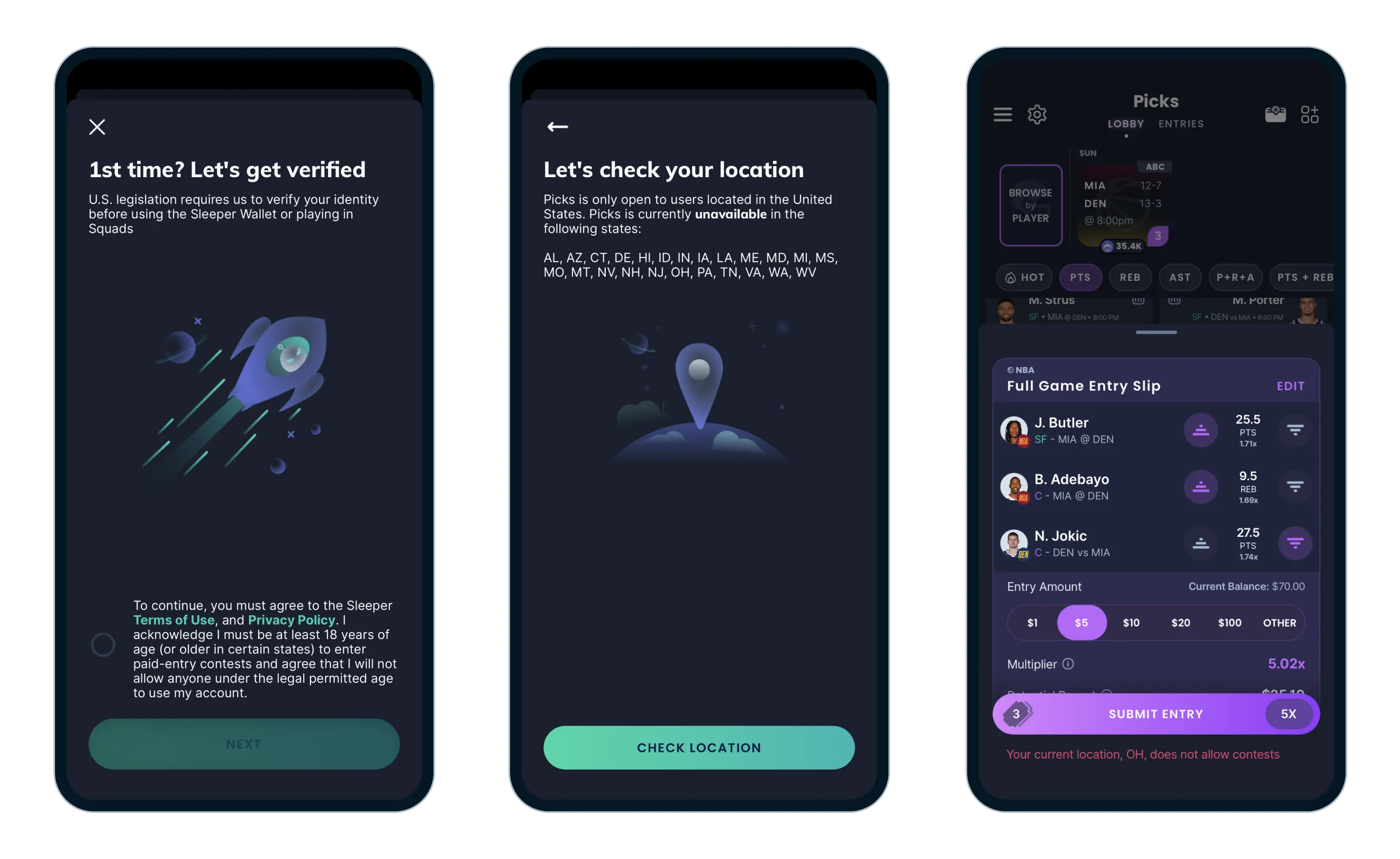
Implementation hinges on seamless KYC geofencing integration, where identity verification precedes any position opening. Picture a DEX user in a gray-listed jurisdiction attempting a swap: geofencing flags the coordinates, prompts KYC uplift, and relays Travel Rule data only upon clearance. This frictionless flow retains user experience while fortifying against OFAC scrutiny, where even web-based activities demand geographic purity.
Case Studies: DEXs Navigating 2026 Enforcement Waves
Leading DEXs have already pivoted. One protocol, post-FATF alignment, deployed hybrid geofencing to slash sanctioned exposure by 92%, per internal audits. Another integrated TR kits that dynamically query beneficiary VASPs, enforcing compliance unilaterally as FATF urges. These aren’t outliers; they’re blueprints for survival in a landscape where US MSBs face FinCEN audits routinely, and EU legislators tighten nooses on unverified flows.
Comparison of Geofencing Accuracy Levels for DEX Travel Rule Compliance
| Geofencing Method | Location Accuracy | Spoofing Detection Rate | Compliance Effectiveness in Restricted Regions | Key Advantages | Key Limitations |
|---|---|---|---|---|---|
| IP-Only Geofencing | 1-10 km (country-level) | 20-40% | Low ❌ | Low cost, easy implementation | Easily bypassed by VPNs; poor for sub-national restrictions (e.g., Russia regions) |
| Hybrid GPS/WiFi | 10-100 m (city-level) | 60-85% | Medium ✅ | Balances accuracy and device compatibility; detects basic VPN spoofing | Relies on user-enabled location services; variable WiFi density |
| Full Sensor Fusion (GPS/WiFi/Cellular + AI) | <10 m (precise perimeter) | 90-99% | High ✅✅ | Real-time spoofing detection; adapts to 2026 FATF/FinCEN rules; blocks prohibited jurisdictions like Cuba, Iran | Requires app permissions and advanced hardware; higher computational cost |
From a trader’s lens, this mirrors commodity desks layering weather derivatives atop physical hedges. Crypto’s volatility demands similar foresight: geofencing anticipates reg shifts, much as ENSO models predict crop yields influencing corn futures. DEXs ignoring this court delisting risks, eroding liquidity pools overnight.
Future-Proofing with Predictive Compliance Dashboards
By 2027, anticipate AI-driven geofencing that forecasts jurisdiction risks via legislative scraping and sentiment analysis. Dashboards will simulate TR data gaps, stress-testing protocols against hypothetical enforcements. Pair this with travel rule DEX kits from specialized layers, and DEXs evolve into compliant powerhouses, attracting institutional inflows wary of centralized CEXs.
DEX Geofencing-TR Synergy Steps
-
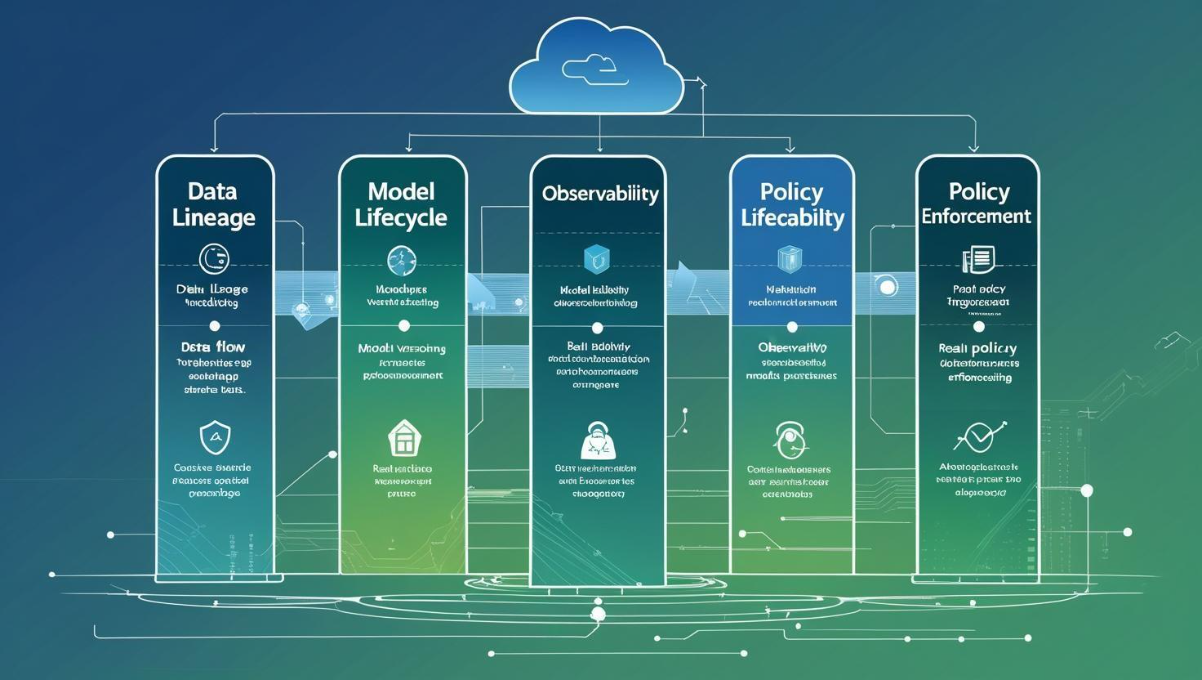
Audit user base for restricted exposure: Screen for OFAC-sanctioned jurisdictions like Cuba, Iran, North Korea, Syria, and Russia regions using FinCEN’s 50% rule to identify high-risk users before Travel Rule implementation.
-
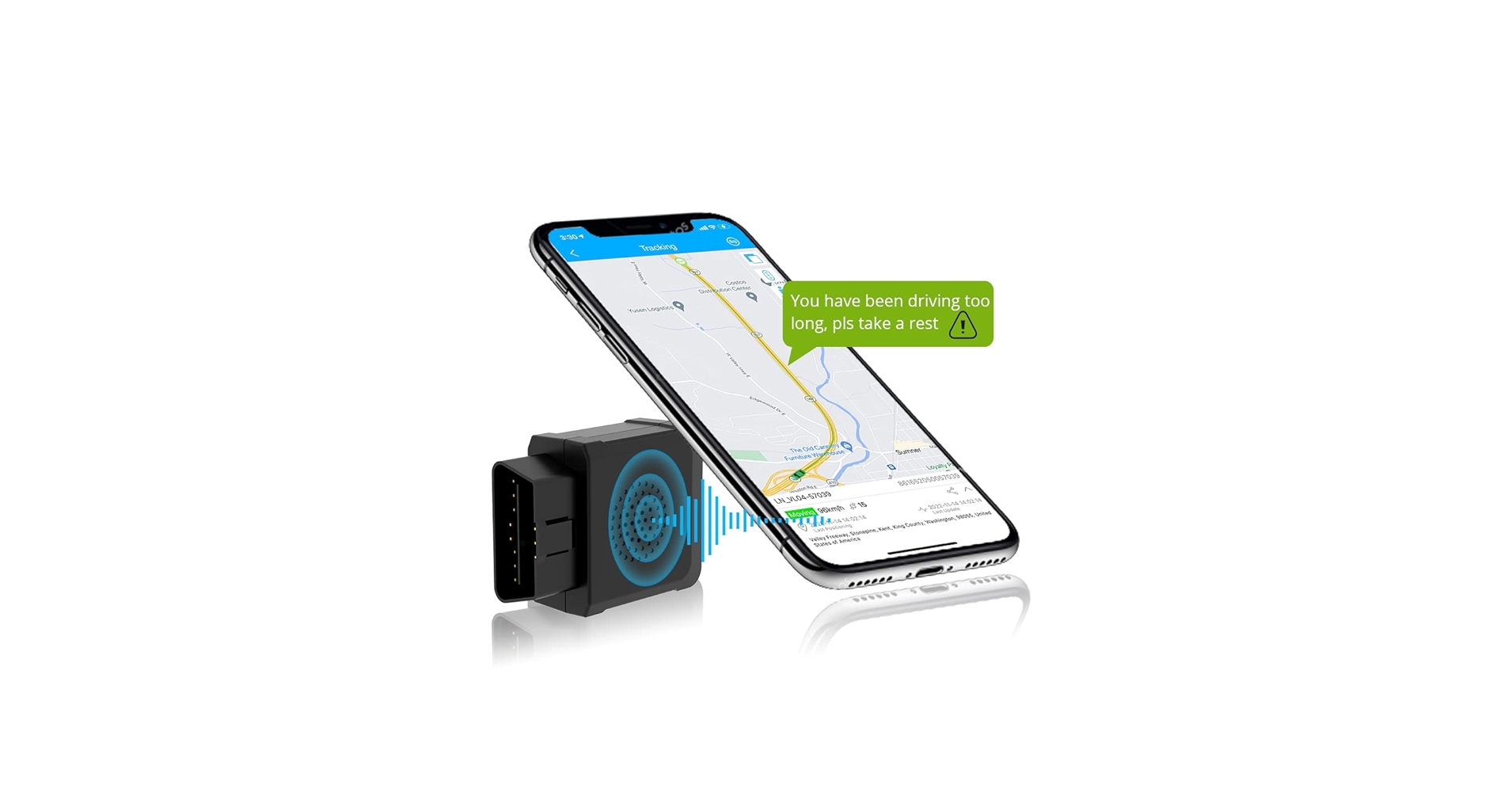
Integrate multi-signal location tech: Combine GPS, Wi-Fi node ID, and cellular tower data for precise virtual perimeters, blocking access from prohibited regions as per Lightspark and Variant guides.
-

Automate data relay via SDKs: Use VASP-compliant SDKs to transmit originator/beneficiary info per FATF Travel Rule, ensuring seamless relay even in non-regulated jurisdictions per Sumsub and FinCEN rules.
-
Monitor FATF updates quarterly: Track 85/163 jurisdictions’ Travel Rule adoption and best practices from FATF supervision guidance to adapt geofencing dynamically.
-
Test spoofing vectors annually: Simulate VPNs and location spoofing attacks to validate geofencing resilience, maintaining compliance amid evolving threats like DOJ data rules.
Regulatory arbitrage fades as 100 and jurisdictions align, per projections. DEXs wielding precise restricted regions DEX block tools position for dominance, channeling capital from compliant corridors. In commodities, we’ve long hedged China demand shocks; crypto follows suit, geofencing Beijing’s shadow while courting Tokyo’s yen-stablecoin bridges.
Operators eyeing long-cycle plays should benchmark against gold’s steady climb amid fiat debasement – compliance cements that ballast. DexComplianceKit’s SDK streamlines this, fusing geofencing with TR protocols and KYC hooks for one-click global readiness. As regs ossify, those building virtual ramparts today harvest tomorrow’s compliant yields.
Strategic deployment turns liability into leverage. Geofencing doesn’t constrain decentralization; it channels it toward sustainable scale, ensuring DEXs weather enforcement tempests while commodities correlations underscore the broader pivot: transparency begets resilience.
About the Author