Why DEX compliance matters in 2026
The regulatory environment for decentralized exchanges (DEXs) has shifted from a period of ambiguity to one of strict enforcement. In 2026, operating a DEX without robust compliance infrastructure is no longer a technical choice but a legal liability. The distinction between centralized and decentralized protocols is blurring as regulators hold platform operators accountable for anti-money laundering (AML), know-your-customer (KYC), and sanctions screening.
Global oversight is intensifying. Firms must now integrate sanctioned wallet filtering and jurisdictional compliance directly into their codebases. The focus has moved beyond mere traffic acquisition to long-term operational resilience. DEX teams are expected to monitor transactions and flag suspicious activity in real-time, aligning with the Travel Rule standards that were previously applied only to centralized exchanges.
Note: The U.S. SEC's Division of Examinations published its priorities for fiscal 2026 without the dedicated crypto-assets section that appeared in recent years. This signals a shift in enforcement focus rather than deregulation; compliance remains mandatory, but the specific regulatory targets are evolving.
Developers and compliance officers must treat these requirements as foundational. The absence of dedicated SEC crypto priorities does not imply a lack of oversight. Instead, it reflects a broader application of existing financial laws to digital assets. Ignoring these trends exposes DEX operators to significant legal risk and potential shutdowns.
Implement geofencing and access controls
MiCA and global AML frameworks require DEX operators to prevent access from prohibited jurisdictions. This is not optional; it is a foundational compliance requirement. You must build technical barriers that stop users in sanctioned regions from interacting with your protocol.
The approach combines IP-based screening for web interfaces and wallet-based screening for on-chain interactions. Both layers must work together to ensure no gaps in enforcement.

Use a trusted geolocation database to identify the IP addresses of users accessing your front-end. Block requests originating from sanctioned countries or high-risk jurisdictions. This is your first line of defense against unauthorized access.
Update your blocklist regularly to reflect changes in OFAC, EU, and UN sanctions. Integrate this check into your API gateway or load balancer so that blocked IPs never reach your smart contracts or user dashboards.

Deploy a smart contract module that checks the origin wallet against a sanctions list before allowing swaps or liquidity provision. This ensures that even if a user bypasses the front-end, their transactions are rejected on-chain.
Use tools like Chainalysis or Elliptic to maintain an up-to-date database of sanctioned wallets. Flag or freeze assets associated with these addresses immediately. This step is critical for maintaining compliance with MiCA’s strict AML requirements.
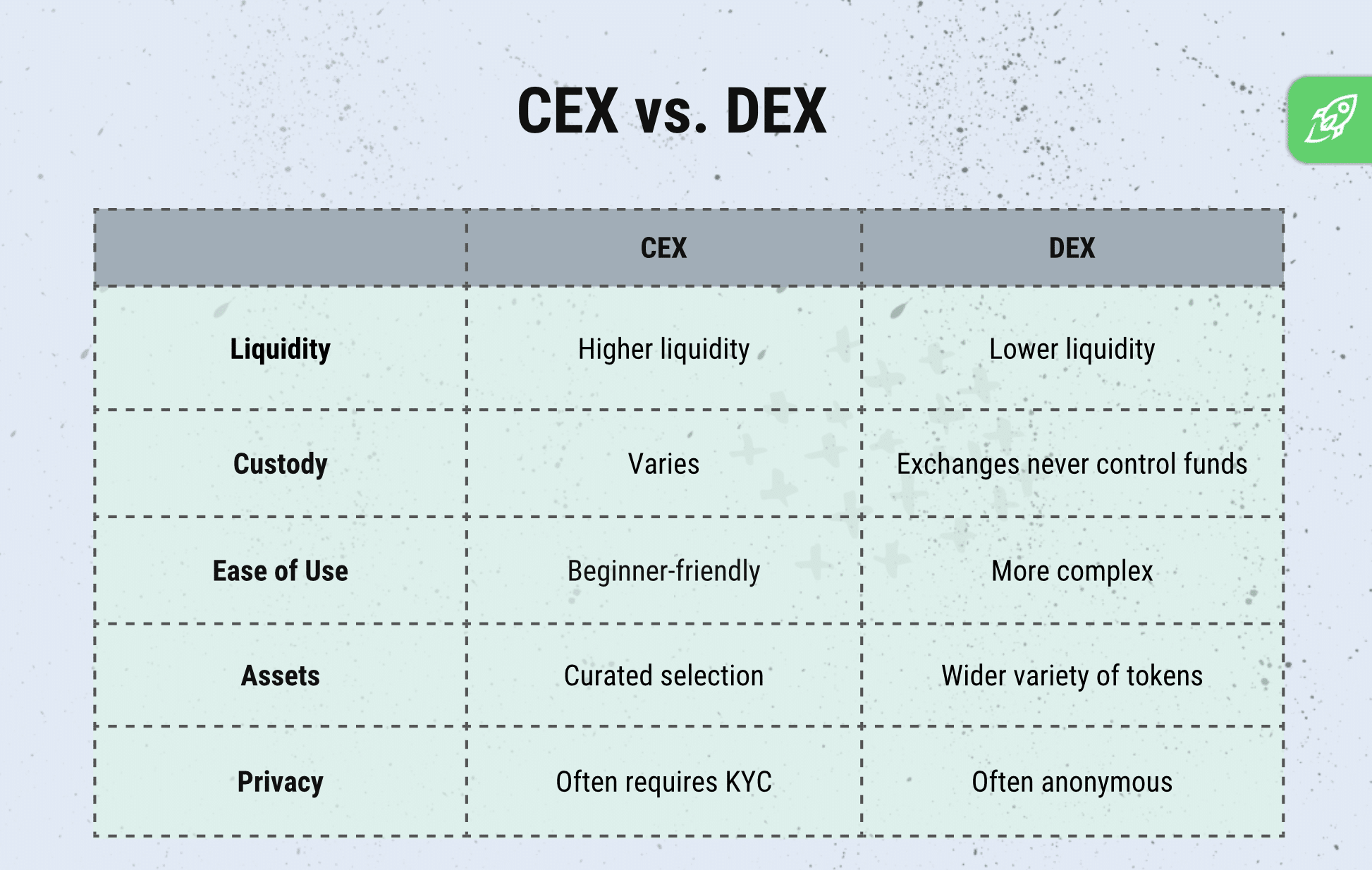
Create a permissioned trading environment for institutional users who require compliance-focused access. This allows you to offer regulated services without compromising the decentralization of the broader protocol.
Use role-based access control (RBAC) to restrict certain features to verified users. This approach is gaining traction in the industry, as seen with permissioned DEXs on the XRP Ledger, which balance compliance with decentralization.
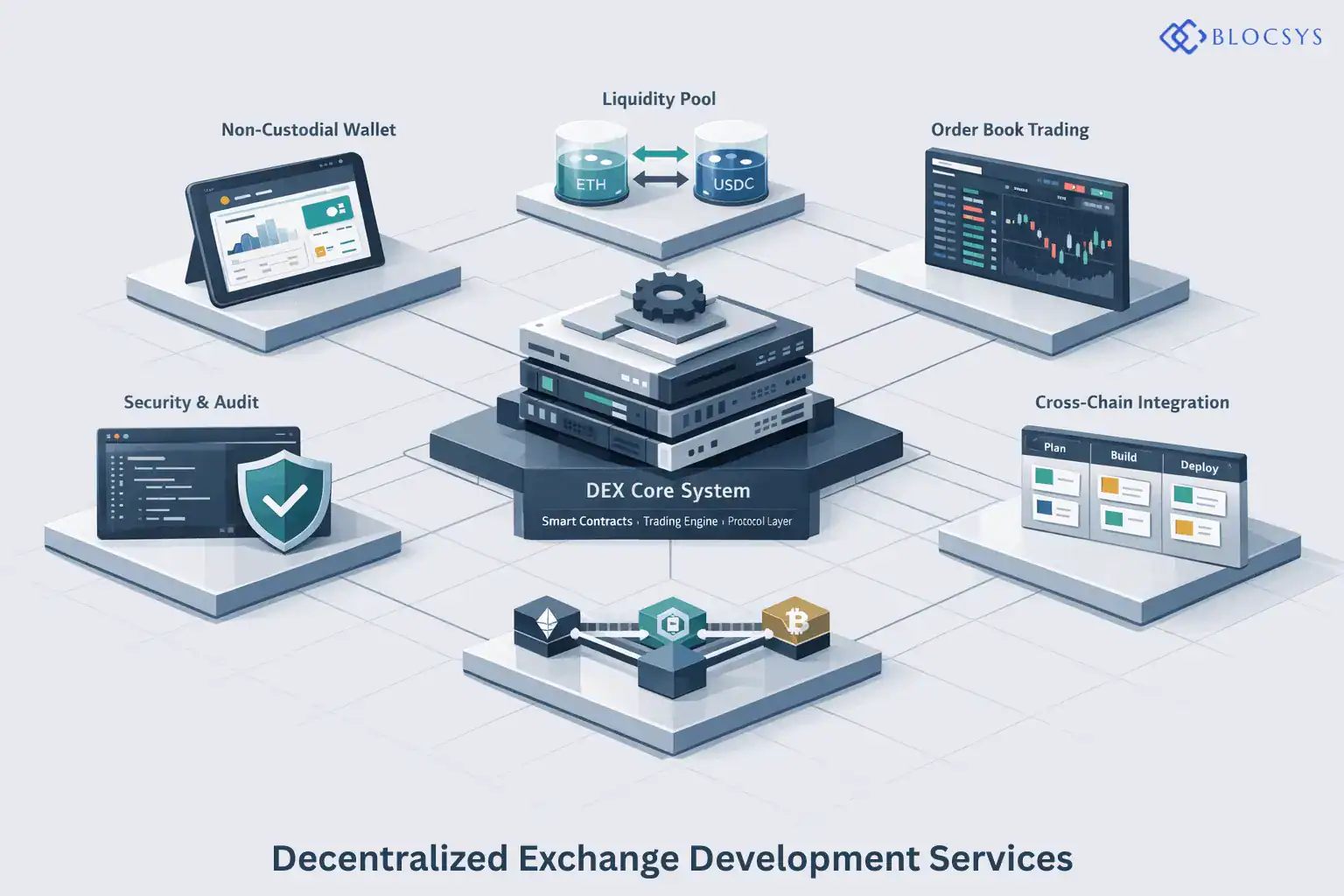
Regularly audit your access logs to identify any attempts to bypass geofencing or sanctions checks. Look for patterns such as VPN usage or proxy services that may indicate evasion attempts.
Maintain detailed records of all blocked transactions and user interactions. These logs are essential for regulatory reporting and can help you demonstrate compliance during audits. Use automated monitoring tools to flag suspicious activity in real-time.
By implementing these steps, you create a robust compliance framework that meets MiCA and Travel Rule requirements. This approach protects your DEX from regulatory penalties and builds trust with institutional partners.
Step 2: Integrate Travel Rule data sharing
The FATF Travel Rule (Recommendation 16) requires Virtual Asset Service Providers (VASPs) to share originator and beneficiary information during transfers exceeding specific thresholds. For Decentralized Exchanges (DEXs), this means moving from anonymous peer-to-peer swaps to a structured, interoperable data exchange protocol.
Compliance is not optional under MiCA. DEXs must implement a VASP-to-VASP data sharing mechanism that validates identity data without compromising the decentralized nature of the underlying smart contracts. This integration ensures that transaction data travels with the asset, satisfying regulatory requirements for transparency and anti-money laundering (AML) oversight.
Choose a compliant VASP-to-VASP protocol
Select a protocol that supports the latest FATF standards and is compatible with your blockchain infrastructure. Notabene and Sygna Block are established providers offering interoperable solutions for VASP data sharing. These platforms facilitate secure, encrypted transmission of Travel Rule data between sending and receiving institutions.
Ensure the protocol supports both on-chain and off-chain data sharing methods. On-chain solutions embed data directly into the transaction metadata, while off-chain methods use secure APIs to exchange information before the transfer is finalized. Your choice should align with your target jurisdictions and the specific blockchains you support.
-
Verify FATF Recommendation 16 compliance certification
-
Confirm support for your primary blockchains (Ethereum, Solana, etc.)
-
Assess API latency and transaction throughput capabilities
-
Review data privacy and GDPR/CCPA compliance features
-
Evaluate integration complexity and developer support
Implement the data exchange API
Integrate the chosen protocol’s API into your DEX’s backend infrastructure. This involves creating a middleware layer that intercepts withdrawal requests and initiates the Travel Rule data exchange process. The system must capture the originator’s details (name, address, account number) and the beneficiary’s information.
The API should handle the handshake between the sending and receiving VASPs. It must verify the receiving institution’s identity and ensure that the data is transmitted securely. Implement error handling for cases where the receiving VASP is not Travel Rule compliant or cannot be identified.
Validate and store compliance data
Once the data exchange is complete, validate the received information against your internal AML screening tools. Ensure that the originator and beneficiary are not on any sanctions lists or watchlists. Store the compliance data securely in accordance with data retention policies required by MiCA and other relevant regulations.
Maintain an audit trail of all Travel Rule data exchanges. This includes timestamps, data packets exchanged, and the outcome of the validation process. This audit trail is critical for regulatory examinations and demonstrates your DEX’s commitment to compliance.


As an Amazon Associate, we may earn from qualifying purchases.
Deploy AI-driven AML monitoring
Implementing automated transaction monitoring is no longer optional for DEXs operating under the 2026 regulatory framework. Platforms must integrate AI-driven analytics to screen transactions against global sanctions lists and detect suspicious activity in real-time. This step shifts compliance from reactive reporting to proactive risk mitigation, ensuring that your protocol adheres to MiCA requirements and FATF Travel Rule standards.
1. Integrate On-Chain Analytics APIs
Connect your DEX’s backend to established blockchain analytics providers such as Chainalysis, TRM Labs, or Elliptic. These tools provide real-time data on wallet addresses, flagging interactions with sanctioned entities or mixing services. Configure the API to trigger alerts when a user’s deposit or withdrawal matches a high-risk profile. This integration forms the backbone of your AML infrastructure, allowing you to monitor the entire lifecycle of a transaction.
2. Configure Risk Scoring Models
Define risk thresholds based on your jurisdiction’s regulatory expectations. Assign risk scores to transactions based on factors such as transaction volume, frequency, and counterparty reputation. For example, a large transfer to a known mixer should receive a high-risk score, triggering an automatic hold or manual review. Ensure your scoring model is calibrated to minimize false positives while catching genuine threats. Regularly update these models to reflect new typologies of illicit activity identified by regulatory bodies.
3. Implement Real-Time Sanctions Screening
Deploy real-time screening against updated sanctions lists from OFAC, the EU, and the UN. This process must occur before any transaction is finalized on-chain. If a transaction involves a sanctioned address, the system should automatically block the trade and notify your compliance team. This step is critical for avoiding severe penalties under MiCA, which imposes strict liability on platforms for facilitating transactions with prohibited entities.
4. Automate Travel Rule Reporting
For transactions exceeding the Travel Rule threshold (typically $1,000 or €1,000), automate the collection and transmission of originator and beneficiary information. Integrate with VASP-to-VASP messaging protocols to share this data securely with counterparty exchanges. This automation reduces manual workload and ensures consistent compliance with international standards. Regular audits of your reporting logs are essential to verify that all required data fields are captured accurately.
5. Conduct Regular Model Audits
Regulatory expectations evolve rapidly. Schedule quarterly audits of your AI models and screening parameters to ensure they remain effective against emerging threats. Engage third-party auditors to validate your AML framework’s efficacy. Document all changes to your monitoring logic and provide these records to regulators upon request. This proactive approach demonstrates your commitment to compliance and can mitigate penalties in the event of an inspection.
Common DEX Compliance Mistakes to Avoid
Even with robust architecture, DEX operators frequently stumble on procedural compliance gaps that trigger regulatory penalties. The following pitfalls are the most common causes of enforcement actions in 2026.
Ignoring Travel Rule Thresholds
Many DEXs treat high-value transfers as private between wallet addresses. This is incorrect. The Travel Rule requires identity verification for transactions exceeding specific thresholds (typically $1,000 or €1,000, depending on jurisdiction). Failing to collect originator and beneficiary data for these transfers violates AML standards. Use protocol-level screening tools to flag and process these transactions before settlement.
Static Sanctions Lists
Regulatory bodies update sanctions lists frequently. Relying on a static database means your DEX may continue processing transactions with newly designated entities. Integrate real-time API feeds from official sources, such as the OFAC SDN list, to ensure your smart contracts automatically block interactions with sanctioned addresses. A static list is a liability, not a safeguard.
Neglecting KYC for High-Value Transactions
While DEXs often claim to be non-custodial, regulators increasingly expect some form of identity verification for large trades to prevent money laundering. Ignoring KYC requirements for significant volume exposes your platform to severe fines. Implement tiered access controls that require identity proof for users exceeding certain trading limits.
Missing Cross-Chain Monitoring
Assets move rapidly across multiple blockchains. Monitoring only the primary chain (e.g., Ethereum) while ignoring bridges to L2s or other chains creates blind spots. Ensure your compliance stack tracks asset movement across all supported networks to maintain a complete audit trail.
Frequently asked questions about DEX compliance
Addressing common misconceptions and regulatory shifts is essential for maintaining operational continuity. The following answers clarify how 2026 regulatory trends impact decentralized exchange infrastructure and developer obligations.
No comments yet. Be the first to share your thoughts!