
The 2026 regulatory landscape for DEXs
The era of treating decentralized exchanges as unregulated wild west territory has ended. In 2026, the legal framework for DEXs has shifted from theoretical decentralization to practical regulatory accountability. Regulators, led by the SEC, are no longer asking if code constitutes a security; they are enforcing compliance on the entities that deploy, maintain, or profit from that code. This transition demands that DEX operators build defensible compliance programs rather than relying on the "code is law" defense.
The core legal requirements now center on three pillars: Know Your Customer (KYC) integration, sanctions screening, and transaction monitoring. While DEXs operate on immutable ledgers, the off-ramps and on-ramps remain heavily regulated points of entry. Firms must implement blockchain analytics to trace fund flows and ensure they are not facilitating illicit activity. The Global Crypto Compliance 2026 agenda emphasizes moving beyond policy theory to practical, auditable practices that satisfy both domestic and international standards.
Compliance in 2026 is not optional; it is a prerequisite for market participation. The gold standard for Virtual Asset Service Providers (VASPs) includes robust governance structures and real-time transaction monitoring. Failure to adhere to these guidelines risks severe penalties, including delisting from major jurisdictions and criminal charges for aiding financial crimes. The focus is on creating a transparent, traceable, and accountable ecosystem where decentralization does not equate to impunity.
How the SEC classifies DEX operators as VASPs
The distinction between a decentralized exchange and a centralized exchange often collapses under regulatory scrutiny. The SEC does not look at code; it looks at control. If an entity exercises sufficient control over the exchange's operations, it can be classified as a Virtual Asset Service Provider (VASP). This classification carries significant legal liability, transforming how DEX operators must navigate compliance in 2026.
The Control Test
Centralized exchanges like Coinbase or Binance register as money services businesses (MSBs) with FinCEN. They hold user funds in custodial wallets. DEXs, by contrast, use smart contracts to facilitate peer-to-peer trading without holding user assets. However, the SEC argues that if a centralized team maintains the frontend interface, controls the liquidity pools, or can pause transactions, they are effectively acting as a custodian or exchange operator.
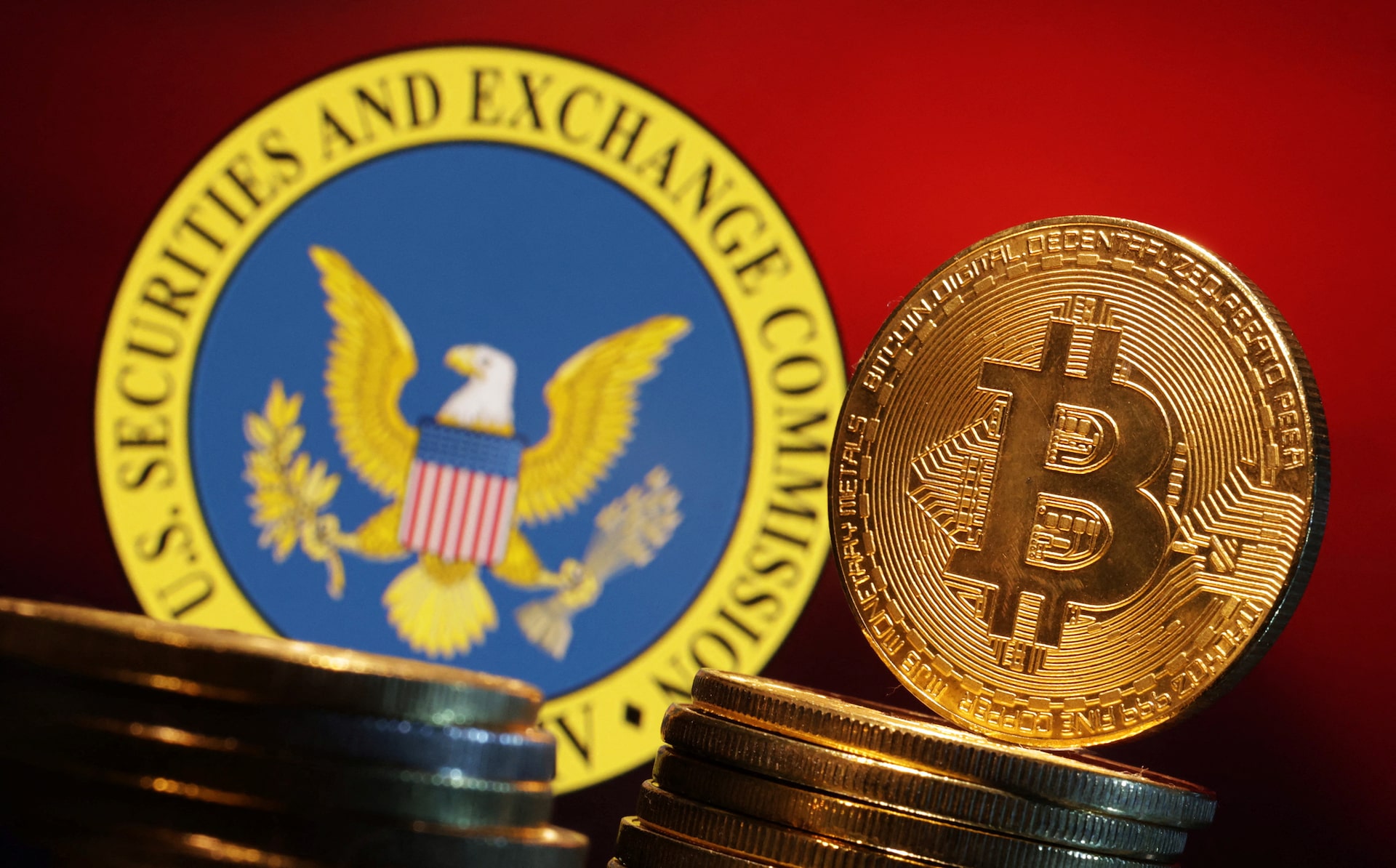
This "control test" is the primary mechanism for VASP classification. The SEC's enforcement actions against platforms like Uniswap Labs highlight this risk. Even if the underlying protocol is decentralized, the legal entity behind the interface can be targeted for operating an unregistered national securities exchange. The presence of a central team managing governance, marketing, or technical updates often signals sufficient control to trigger VASP obligations.
Legal Liability and Compliance Burdens
Once classified as a VASP, a DEX operator faces strict regulatory requirements. These include registering with FinCEN, implementing a robust Anti-Money Laundering (AML) program, and adhering to the "Travel Rule." The Travel Rule requires VASPs to transmit certain information about the originator and beneficiary of virtual asset transfers. For DEXs, this is technically challenging because transactions are pseudonymous and peer-to-peer.
The SEC's stance means that DEX operators cannot simply hide behind decentralization. They must ensure their operations meet the same standards as traditional exchanges. This includes maintaining records of user identities and transaction histories. Failure to comply can result in severe penalties, including fines and injunctions. The trend in 2026 suggests that regulators will continue to pressure DEX operators to adopt compliance measures, regardless of their technical architecture.
Market Context: DEX Volume Trends
Despite regulatory pressures, decentralized trading volume remains significant. The following chart illustrates the trading volume trends for major DEXs, contextualizing the scale of the market against regulatory scrutiny. High volume increases the likelihood of regulatory attention, making compliance a business imperative rather than an optional feature.


As an Amazon Associate, we may earn from qualifying purchases.
Travel Rule and KYC/AML Implementation
Implementing FATF Travel Rule compliance on decentralized infrastructure is one of the most difficult engineering challenges in DeFi. The Travel Rule requires Virtual Asset Service Providers (VASPs) to share originator and beneficiary information for transactions over a certain threshold. Because DEXs operate via smart contracts without a central entity, they lack the traditional custodial layer where this data is usually collected and transmitted.
| Compliance Approach | Technical Mechanism | Privacy Impact | Liquidity Impact |
|---|---|---|---|
| Geofencing | IP and wallet screening | High (no data sharing) | Low (restricted access) |
| KYC Gates | Mandatory identity verification | Low (full data exposure) | Medium (friction at entry) |
| Hybrid Models | Tiered verification thresholds | Medium (partial data) | High (smooth for small txs) |
| Privacy Pools | Zero-knowledge proofs | High (verified without exposure) | High (compliant but private) |
The core tension lies in balancing regulatory transparency with the permissionless nature of blockchain. Traditional KYC/AML protocols require a centralized identity provider, which contradicts the pseudonymous ethos of DeFi. Developers are exploring zero-knowledge proof (ZKP) solutions, such as Privacy Pools, to verify compliance without exposing sensitive user data on-chain. This allows DEXs to filter illicit funds while maintaining user privacy.
From an operational standpoint, integrating these protocols requires significant changes to the user experience. A KYC gate adds friction, potentially reducing trading volume from privacy-focused users. Geofencing is easier to implement but may violate local laws in certain jurisdictions. Hybrid models, which apply strict checks only to high-risk or high-value transactions, offer a middle ground. As 2026 regulatory frameworks solidify, DEXs that adopt flexible, tiered compliance architectures will likely have a competitive advantage in retaining users while satisfying regulators.
Compliance risks and market impact
The regulatory landscape for decentralized exchanges is shifting from theoretical oversight to active enforcement. In 2026, the primary compliance risks are no longer limited to basic anti-money laundering (AML) checks. They now encompass AI governance, data privacy, and sophisticated sanctions evasion. These factors directly threaten DEX viability by increasing operational costs and creating legal ambiguity for developers.
AI governance and data privacy
As regulatory frameworks evolve, DEXs are exploring KYC requirements and geo-blocking to mitigate risk. However, integrating identity verification into permissionless protocols creates a conflict with core privacy principles. The 2026 compliance concern list highlights AI governance and data privacy as top priorities for both public and private sectors. DEXs that fail to balance user anonymity with regulatory transparency face immediate scrutiny.
Sanctions evasion and transaction monitoring
Sanctions evasion remains a critical risk. Regulators are demanding real-time transaction monitoring similar to traditional e-invoicing systems. This requirement challenges the pseudonymous nature of blockchain transactions. DEXs must implement robust filtering mechanisms to prevent sanctioned entities from accessing liquidity. Failure to do so can result in severe penalties and loss of fiat on-ramp access.
The market reacts swiftly to these regulatory pressures. Governance tokens like UNI reflect investor sentiment regarding compliance capabilities. Platforms that proactively adopt compliance features often see reduced volatility, while those lagging behind face liquidity drains. The viability of a DEX in 2026 depends on its ability to navigate these complex regulatory waters without sacrificing decentralization.
Building a defensible compliance program
A defensible compliance program for decentralized exchanges (DEXs) requires moving beyond theoretical frameworks to practical, operational controls. In 2026, regulators expect DEX operators to demonstrate active governance, robust transaction monitoring, and clear accountability structures. This section outlines the essential steps to build a framework that withstands regulatory scrutiny.
Define the legal entity responsible for the DEX’s operations, even if the protocol is decentralized. Appoint a Compliance Officer with direct authority to halt suspicious activities. Document decision-making processes for protocol upgrades and risk management to create an audit trail that demonstrates proactive oversight rather than reactive damage control.
Integrate real-time blockchain analytics tools to screen transactions for illicit activity, such as sanctions evasion or money laundering. Set thresholds for high-risk addresses and automate alerts for suspicious patterns. This step is critical for demonstrating that the DEX actively monitors its ecosystem rather than ignoring potential violations.
Depending on your jurisdiction and user base, implement Know Your Customer (KYC) procedures for high-value transactions or specific user tiers. Screen users against global sanctions lists (e.g., OFAC) before allowing access to certain features. While full KYC may conflict with DeFi principles, targeted implementation can provide a strong defense against regulatory claims of negligence.
Create a clear protocol for responding to security breaches, regulatory inquiries, and suspicious activity reports (SARs). Define roles, communication channels, and timelines for reporting to authorities. Regularly test this plan through simulations to ensure your team can act quickly and effectively when issues arise.
Schedule periodic internal and external audits of your compliance program. Review policies, procedures, and technical controls against current regulations and industry best practices. Use audit findings to update your framework continuously, ensuring it remains defensible as the regulatory landscape evolves.
A defensible compliance program is not static. It requires ongoing investment in technology, personnel, and processes to adapt to new regulatory challenges and maintain trust with users and regulators alike.
FAQ: DEX compliance questions for 2026
While DEXs operate without central intermediaries, 2026 guidelines focus on the operators and developers behind the protocols. Compliance is no longer optional for sustainable operations.
No comments yet. Be the first to share your thoughts!