
Mica regulations 2026 limits to account for
The Markets in Crypto-Assets Regulation (MiCA) is no longer a future concept for decentralized exchanges operating in the European Union. As of mid-2026, the regulation has moved into full EU-wide application, closing the national transitional grace periods that many operators relied upon for compliance planning. For DEXs, this shift marks the end of the ambiguity phase and the beginning of strict enforcement.
MiCA establishes a uniform legal framework throughout the EU for the trading, issuance, and offering of crypto-asset services. This includes explicit requirements for licensing, supervision, and transparency of companies providing services in the market. While the regulation primarily targets centralized entities, its definition of "crypto-asset service providers" creates significant liability risks for decentralized platforms that facilitate trading or custody within the bloc. The European Securities and Markets Authority (ESMA) is actively coordinating with national competent authorities to ensure consistent interpretation and enforcement across all member states.
The primary keyword cluster for this section centers on the MiCA regulations 2026 constraint. This constraint is not merely about registration; it fundamentally alters the operational architecture of DEXs. Operators must now navigate a landscape where anonymity is no longer a shield against regulatory scrutiny. The expectation is that any DEX with a meaningful presence in the EU will need to implement robust identity verification and transaction monitoring systems to remain compliant. Ignoring these requirements is no longer a viable strategy for growth or sustainability in the region.
Mica regulations 2026 choices that change the plan
The transition to full MiCA compliance in 2026 forces decentralized exchanges to choose between two distinct operational models. You can either integrate centralized oversight mechanisms or remain strictly non-custodial. This decision dictates your technical architecture, customer experience, and legal exposure across the EU.
Custodial vs. Non-Custodial Paths
Custodial models offer a familiar user experience but require significant capital reserves and strict licensing. Non-custodial architectures preserve decentralization but face intense scrutiny regarding know-your-customer (KYC) enforcement at the entry point.
Compliance Costs and Technical Debt
Implementing transaction monitoring and wallet screening tools creates immediate technical debt. Projects must weigh the cost of these integrations against the potential loss of users who prioritize privacy over regulatory convenience.
Market Impact and Liquidity
Regulatory clarity attracts institutional capital but may fragment liquidity pools. Traders often migrate to unregulated jurisdictions, reducing the depth of order books for compliant EU-based entities.
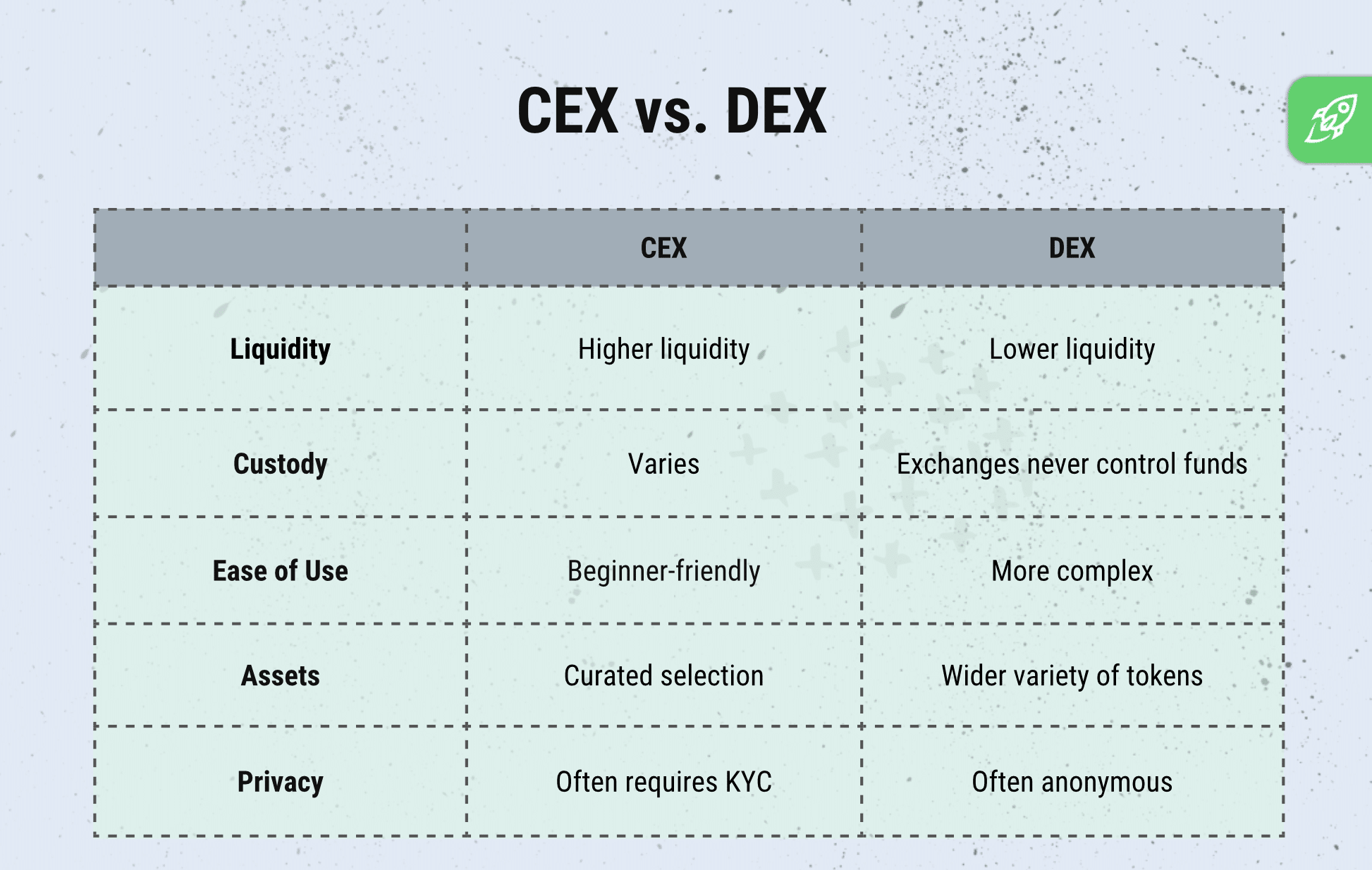
| Feature | Custodial DEX | Non-Custodial DEX | Hybrid Model |
|---|---|---|---|
| Licensing | Required (VASP) | Exempt (mostly) | Required (VASP) |
| KYC Enforcement | Full on-chain | Entry-point only | Full on-chain |
| Asset Custody | Centralized | User-held | Hybrid |
| Compliance Cost | High | Low | Medium |
| User Privacy | Low | High | Medium |
| EU Market Access | Full | Restricted | Full |
How to prepare your DEX for full MiCA compliance
The mid-2026 transition marks the end of grace periods for decentralized exchanges operating in the EU. Compliance is no longer optional; it is a binary switch. If your protocol processes EU user funds or offers services to EU residents without meeting these standards, it faces immediate regulatory friction.
Use this framework to audit your current setup. Each step represents a mandatory checkpoint. Missing any single item can trigger supervisory action or force a hard block on EU IP addresses.
Identify which smart contracts interact with EU-based users. MiCA applies to the provision of services, not just the code. If your DEX routes trades through EU liquidity pools or allows fiat on-ramps accessible from the region, you are in scope. Map these interactions clearly to determine which assets fall under MiCA’s stablecoin and asset-referenced token rules versus general crypto-asset regulations.
Decentralization does not exempt you from anti-money laundering obligations. You must integrate identity verification for users exceeding certain transaction thresholds. This means embedding Know Your Customer (KYC) checks directly into the user journey before significant fund movements occur. Ensure your data handling complies with GDPR while satisfying MiCA’s transparency requirements for suspicious activity reporting.
MiCA requires strict transparency for all crypto-asset service providers. You must publish clear, accurate, and non-misleading information about the tokens listed on your platform. This includes whitepapers, risk warnings, and details on the underlying technology. If you list stablecoins, ensure they meet the specific reserve and redemption requirements mandated by the regulation.
Most DEX protocols will need to register with a national competent authority in an EU member state. This entity acts as the legal face of your operation for regulatory purposes. Without a registered entity, you cannot obtain the necessary authorization to provide crypto-asset services legally within the Union. Choose your jurisdiction carefully based on their specific implementation timelines.
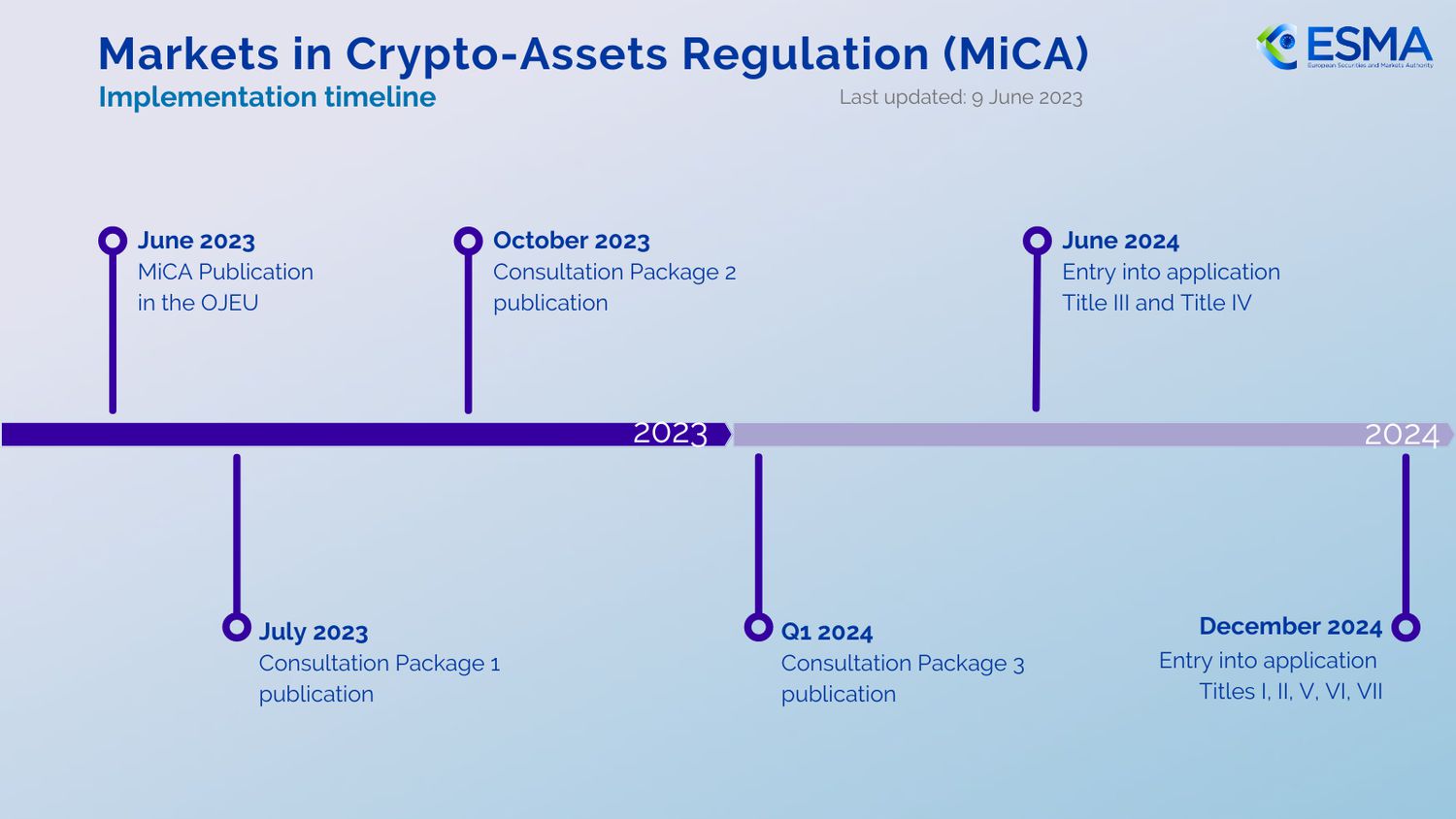
Until full compliance is achieved, consider restricting access for EU residents. Use IP geolocation and wallet screening tools to block transactions originating from or targeting EU addresses. This is not a permanent solution but a critical risk mitigation strategy during the transition period. It prevents accidental provision of unauthorized services while you finalize your licensing.



As an Amazon Associate, we may earn from qualifying purchases.
The landscape is shifting rapidly. While you navigate these steps, monitor the broader market. Regulatory clarity often correlates with institutional adoption, so staying compliant is not just about avoiding penalties—it is about securing your place in the future of finance.
Spotting Weak Options and Misleading Claims
As the mid-2026 deadline for full MiCA application approaches, many DEX platforms are rushing to frame their compliance status. The regulatory landscape under MiCA is strict, requiring uniform rules for trading and issuance across the EU, but the narrative around "decentralization" is often weaponized to obscure liability. You need to look past the marketing language to find the actual legal structure.
The "Non-Custodial" Shield
Many DEXs claim they are exempt because they do not hold user funds. This is a common trap. Under MiCA, the focus is on the service provided, not just custody. If the protocol facilitates trading or asset issuance, it likely falls under the regulation regardless of how keys are managed. Relying on the "code is law" defense is a weak option that regulators are actively rejecting. Check if the entity behind the interface holds an EMT or CAS license.
Vague Compliance Statements
Be wary of websites that state they are "MiCA-ready" without citing specific national competent authorities. Compliance is not a binary switch; it involves ongoing reporting, transparency, and capital requirements. A generic blog post about compliance is not proof of adherence. Look for concrete evidence, such as published whitepapers detailing KYC/AML procedures for admin functions or vesting schedules for team tokens.
Ignoring the National Transitions
MiCA is an EU regulation, but enforcement is handled by national authorities. Some platforms may claim they are compliant in one jurisdiction but silent on others. This is a red flag. Ensure the DEX explicitly states which national regulator oversees its operations. If the site is vague about jurisdiction, assume it is non-compliant. The window for grace periods is closing, and there are no further extensions.
No comments yet. Be the first to share your thoughts!