
The End of the Code-Is-Law Era
The foundational myth of decentralized exchanges—that smart contracts operate above the law—is dissolving under the weight of 2026 regulatory frameworks. For years, DEXs relied on the technical reality that no central entity controlled the protocol to claim exemption from traditional financial oversight. That distinction is no longer sufficient. Regulators have moved past debating whether code constitutes a service provider and are now enforcing compliance obligations directly on the infrastructure that facilitates fiat on-ramps, cross-border transfers, and institutional custody.
The new standard for DEX compliance is no longer about anonymity; it is about hybrid accountability. Platforms that wish to access institutional capital or operate legally within major jurisdictions must integrate regulatory checks directly into their technical architecture. This means moving beyond simple interface-level warnings to embedding Anti-Money Laundering (AML) screening, Know Your Customer (KYC) verification, and transaction monitoring into the user journey. As noted in recent industry analyses, DEX teams are now expected to manage sanctioned wallet filtering and jurisdictional compliance as standard operational procedures, not optional features [src-serp-2].
This shift is driven by the convergence of traditional finance and digital assets. Regulators are applying the same compliance expectations to crypto firms that they apply to banks, including the implementation of the FATF Travel Rule for transfers exceeding $1,000 [src-serp-7]. For a DEX, this translates to a technical requirement: the protocol must be able to identify and report on the origin and destination of funds with the same rigor as a centralized exchange. The era of "code is law" is being replaced by a model where code must also be law-abiding.
The implications for protocol design are profound. Developers can no longer treat compliance as a post-launch patch or a legal afterthought. It must be baked into the smart contract logic, the front-end interface, and the governance structures from day one. Failure to adapt means exclusion from regulated markets and increased scrutiny from enforcement agencies. The survival of decentralized exchanges in 2026 depends on their ability to prove that decentralization does not mean illegality.
MiCA identity verification and transaction monitoring
The Markets in Crypto-Assets (MiCA) regulation has fundamentally altered the compliance landscape for decentralized exchanges operating within the European Union. Under MiCA, entities classified as Virtual Asset Service Providers (VASPs) must adhere to strict identity verification protocols. This effectively removes the anonymity that early DeFi platforms relied upon, requiring DEX operators to implement robust Know Your Customer (KYC) procedures for all users accessing their services.
Transaction monitoring is another critical obligation. DEXs must screen transfers to detect suspicious activity, including money laundering and terrorist financing. The Travel Rule, reinforced by MiCA, mandates that VASPs share originator and beneficiary information for transfers exceeding 1,000 USD. This creates a significant technical hurdle for permissionless protocols, which must now integrate off-chain identity checks without compromising the core decentralized architecture.
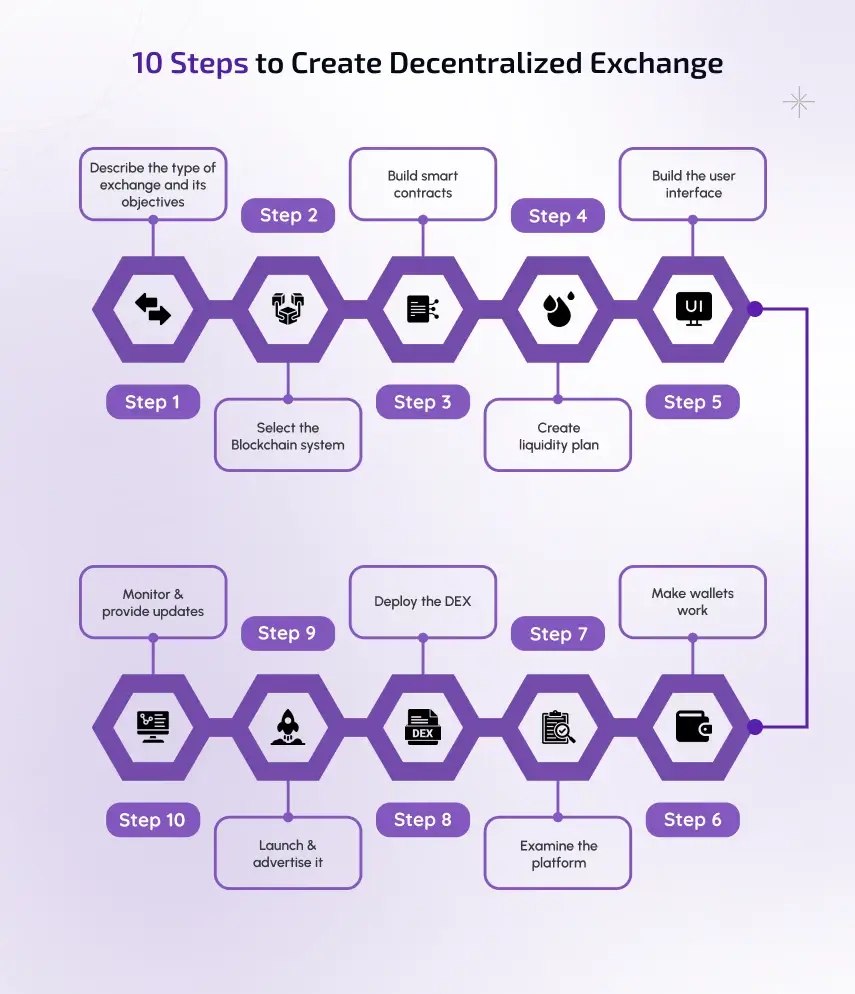
Failure to comply with these EU-specific rules can result in severe penalties, including the suspension of services within the bloc. Operators must ensure their smart contracts and interfaces can handle these data requirements while maintaining security standards. The following image illustrates the structural complexity involved in building compliant DEX infrastructure.
The regulatory pressure is intensifying globally, but MiCA remains the most comprehensive framework. DEXs serving EU users cannot ignore these requirements. Compliance is no longer optional; it is a prerequisite for market access. As the industry evolves, the line between centralized and decentralized exchanges continues to blur under the weight of these regulatory demands.
SEC enforcement and the US regulatory framework
The US Securities and Exchange Commission (SEC) has established a clear, albeit aggressive, stance on decentralized exchanges (DEXs). Under Chair Gary Gensler, the agency has consistently maintained that the decentralized nature of a protocol does not exempt it from federal securities laws. The SEC’s primary concern is whether the tokens traded on these platforms qualify as securities and whether the DEX operators are acting as unregistered exchanges, brokers, or clearing agencies.
This regulatory pressure has led to a series of high-profile enforcement actions. The SEC has argued that many DEXs facilitate the trading of unregistered securities, thereby violating the Securities Exchange Act of 1934. By targeting the developers and operators of these platforms, the SEC aims to enforce compliance with registration and disclosure requirements. This approach creates significant legal uncertainty for DEX founders, who often operate in a gray area where the line between software code and securities exchange is blurred.
The potential impact of this enforcement is profound. If DEXs are deemed unregistered securities exchanges, they could face severe penalties, including fines and injunctions. This could force many platforms to restrict access to US users or shut down entirely. The threat of enforcement has already caused several major DEXs to implement geoblocking measures or delist tokens deemed to be securities.
Amidst this regulatory uncertainty, pending legislation like the CLARITY Act offers a potential path forward. The Act aims to provide a clearer definition of digital assets and establish a regulatory framework that distinguishes between securities and commodities. If passed, the CLARITY Act could clarify the SEC’s jurisdiction and provide DEXs with a more predictable compliance landscape. However, until such legislation is enacted, DEXs must proceed with caution in the current regulatory environment.
Implementing travel rule and AML screening tools
The Financial Action Task Force (FATF) Travel Rule requires Virtual Asset Service Providers (VASPs) to share originator and beneficiary information for transfers exceeding $1,000 USD. For decentralized exchanges, this creates a technical paradox: the protocol is permissionless, yet the off-ramps and on-ramps are heavily regulated. Compliance is no longer optional; it is a prerequisite for institutional liquidity and legal survival.
Real-time wallet monitoring is the first line of defense. DEXs must integrate with blockchain analytics providers to screen every transaction against sanctioned address lists, such as those maintained by OFAC. This screening happens in the mempool or at the point of trade execution, preventing users from interacting with addresses linked to money laundering or terrorism financing. If a wallet is flagged, the DEX can block the transaction or require additional identity verification before settlement.
To bridge the gap between decentralized protocols and centralized regulatory expectations, many platforms are adopting decentralized identity (DID) solutions. These tools allow users to prove their compliance status without revealing their entire transaction history to the DEX itself. This approach maintains a degree of privacy while satisfying the "know your customer" (KYC) obligations required by fiat on-ramps.
The following table contrasts traditional centralized KYC with decentralized identity approaches, highlighting the trade-offs in data control and regulatory alignment.
| Feature | Traditional KYC | Decentralized Identity (DID) | Regulatory Fit |
|---|---|---|---|
| Data Storage | Centralized database | User-held wallet | High |
| Data Sharing | Direct VASP-to-VASP | Selective proof sharing | Medium |
| User Privacy | Low | High | Low |
| Implementation Complexity | High | Medium | Medium |
Building compliant DEX features for 2026
The 2026 regulatory environment no longer permits DEXs to operate in a vacuum. Jurisdictional frameworks now expect decentralized protocols to implement on-chain compliance layers that satisfy Anti-Money Laundering (AML) and Know Your Customer (KYC) requirements without abandoning the core value proposition of self-custody. Teams are held accountable for transaction monitoring, sanctioned wallet filtering, and jurisdictional adherence just as traditional exchanges are.
Geofencing and Jurisdictional Filtering
Geofencing remains the primary mechanism for enforcing regional restrictions. By integrating blockchain intelligence APIs, DEX front-ends can detect user IP addresses and wallet origins. If a transaction originates from a sanctioned jurisdiction or a region with specific regulatory bans, the interface can block access or restrict trading pairs. This is not merely a UI choice; it is a legal necessity to avoid facilitating prohibited transfers.
Transaction Limits and the Travel Rule
The FATF Travel Rule continues to shape DEX architecture. Protocols handling transfers above the $1,000 threshold must ensure that originator and beneficiary information is shared with receiving Virtual Asset Service Providers (VASPs). Implementing threshold-based transaction limits allows DEXs to trigger identity verification only when necessary, balancing compliance with user privacy. Below these limits, the experience remains seamless; above them, a lightweight KYC gateway becomes mandatory.
Identity Verification Gateways
Integrating identity verification gateways requires a modular approach. Instead of forcing all users through rigorous KYC, DEXs can use "proof-of-personhood" or decentralized identity (DID) solutions for high-value transactions. This ensures that only users exceeding specific risk thresholds are required to validate their identity. The goal is to make compliance invisible for low-risk users while remaining robust for high-stakes transfers.
Pre-Launch Compliance Checklist
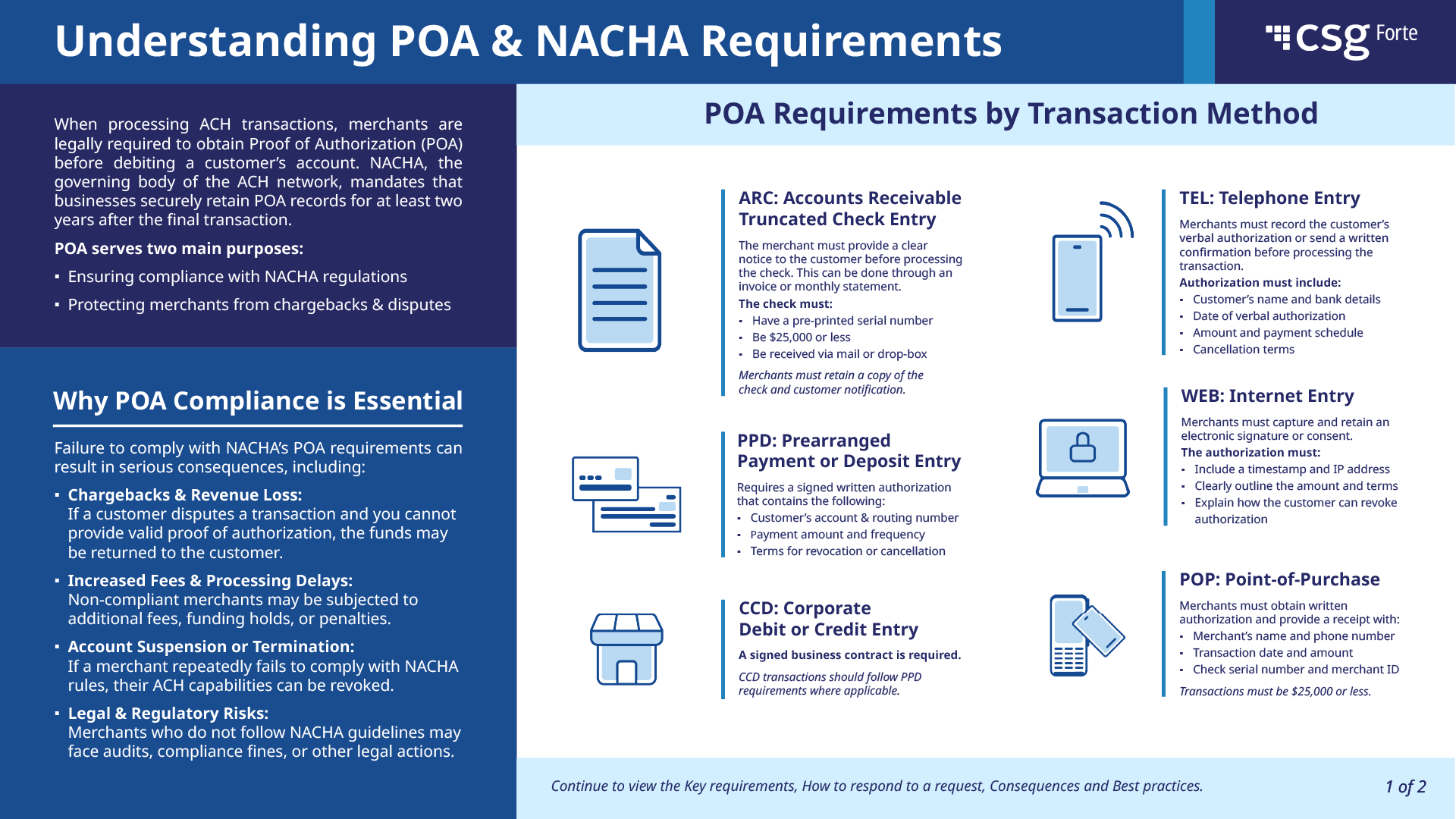
Before deploying a compliant DEX, development teams must verify the following components are integrated and tested:
-
Sanctioned Wallet Screening: Real-time filtering against OFAC and UN sanction lists.
-
Travel Rule Integration: Mechanisms to collect and share VASP data for transfers over $1,000.
-
Geofencing Logic: IP and wallet-based restriction systems for prohibited jurisdictions.
-
KYC Gateway: Modular identity verification for high-risk or high-value transactions.
-
Transaction Monitoring: On-chain analytics to detect suspicious patterns and report to authorities.
Frequently asked questions about DEX compliance
Helpful gear
Use these product recommendations as a starting point, then choose the size, material, and price point that fit how you actually use the gear.


As an Amazon Associate, we may earn from qualifying purchases.
No comments yet. Be the first to share your thoughts!