
The regulatory shift for decentralized exchanges
The era of treating "code is law" as a legal shield has ended. In 2026, the assumption that decentralized exchanges (DEXs) operate outside the reach of traditional financial regulation is no longer viable. Regulators have closed the loophole that allowed protocols to claim anonymity as a defense against compliance obligations.
The European Union’s Markets in Crypto-Assets (MiCA) regulation now sets the baseline for DEX compliance. MiCA explicitly applies to crypto-asset service providers, including those operating decentralized protocols with identifiable operators or significant market impact. If a DEX has a central point of failure, a identifiable team, or substantial market volume, it falls under regulatory scrutiny. This is not a theoretical risk; it is the current legal reality for any DEX operating in or targeting the EU market.
Simultaneously, the Financial Action Task Force (FATF) Travel Rule is being enforced more aggressively. This rule requires virtual asset service providers (VASPs) to share transaction information, effectively killing the idea that DEX transactions can remain anonymous. DEX teams are now accountable for AML, KYC, transaction monitoring, sanctioned wallet filtering, and jurisdictional compliance. The "hard truths" of building a DEX in 2026 involve integrating these compliance layers from the ground up, not as an afterthought.
This shift means that the old model of "deploy and forget" is obsolete. DEXs must now proactively manage regulatory risk, implement robust identity verification where required, and maintain transparent records. The cost of non-compliance is no longer just a lost user base; it is the potential shutdown of the protocol and legal action against its operators.
MiCA obligations for DEX operators
The Markets in Crypto-Assets (MiCA) regulation fundamentally alters the legal landscape for decentralized exchanges operating within the European Economic Area. Under MiCA, the distinction between "pure code" and entity-backed protocols is no longer a shield against regulation. Regulators now require clear attribution of responsibility for compliance failures, shifting the burden from anonymous developers to identifiable legal entities.
Licensing and legal structure
DEX operators must secure appropriate licensing under the MiCA framework, particularly if they facilitate trading of asset-referenced tokens or e-money tokens. This requires establishing a legal entity capable of holding regulatory responsibility. The regulation does not exempt automated market makers or liquidity pools from these requirements if they are deemed to provide significant trading services. Operators must demonstrate that their governance structures allow for effective oversight and enforcement of compliance measures.
Transparency and consumer protection
Transparency obligations under MiCA demand rigorous disclosure of risk factors, fee structures, and operational procedures. DEXs must provide clear information to users about the nature of the assets traded and the potential for loss. Consumer protection standards require robust mechanisms for handling complaints and disputes. This includes maintaining records of transactions and providing accessible channels for user support, even in technically decentralized environments.
On-chain identity and AML
Anti-money laundering (AML) and counter-terrorist financing (CTF) compliance are now mandatory. DEX operators must implement transaction monitoring systems to detect suspicious activities. This involves filtering transactions against sanctioned wallet lists and conducting due diligence on users. The integration of on-chain KYC solutions is becoming a practical necessity to meet these obligations. Failure to implement adequate monitoring can result in severe penalties and loss of operating licenses.
The regulatory pressure is already impacting market dynamics. As compliance costs rise, smaller DEXs may struggle to operate, potentially leading to consolidation among larger, more compliant platforms. This shift prioritizes institutional-grade infrastructure over pure decentralization ideals.
On-chain KYC and geofencing implementation
The era of unregulated anonymity on decentralized exchanges is ending. Under the Markets in Crypto-Assets (MiCA) regulation, DEXs are no longer shielded by the myth of total decentralization. Compliance teams must now enforce strict identity verification and geographic restrictions, moving from passive protocols to active gatekeepers of market access.
Zero-Knowledge Identity Verification
Traditional KYC requires users to upload passports and selfies to centralized servers, creating privacy risks and friction. On-chain KYC, often called zk-KYC, solves this using zero-knowledge proofs. Users generate a cryptographic proof that they are over 18, not on a sanctions list, and reside in an allowed jurisdiction, without revealing their actual identity or personal data to the DEX.
This approach satisfies regulatory requirements for Anti-Money Laundering (AML) checks while preserving user privacy. The DEX verifies the proof on-chain, ensuring that only compliant users can interact with liquidity pools. This mechanism balances the core ethos of decentralization with the legal necessity of Know Your Customer protocols.
Geofencing and Sanctioned Wallet Filtering
Beyond identity, DEXs must prevent access from prohibited jurisdictions. Geofencing is implemented through a combination of IP detection and on-chain wallet screening. Smart contracts integrate with blockchain analytics providers like Chainalysis or Elliptic to flag transactions involving sanctioned addresses or high-risk jurisdictions.
If a user attempts to trade from a restricted region, the protocol can block the transaction at the smart contract level. This proactive filtering is no longer optional; DEX teams are now legally accountable for sanction screening and jurisdictional compliance. Failure to implement these controls exposes platforms to severe regulatory penalties under MiCA.

The integration of these technical mechanisms marks a fundamental shift in DeFi infrastructure. DEXs are evolving from anonymous trading venues into regulated financial intermediaries, where compliance is embedded directly into the code.
Comparing compliance-ready DEX models
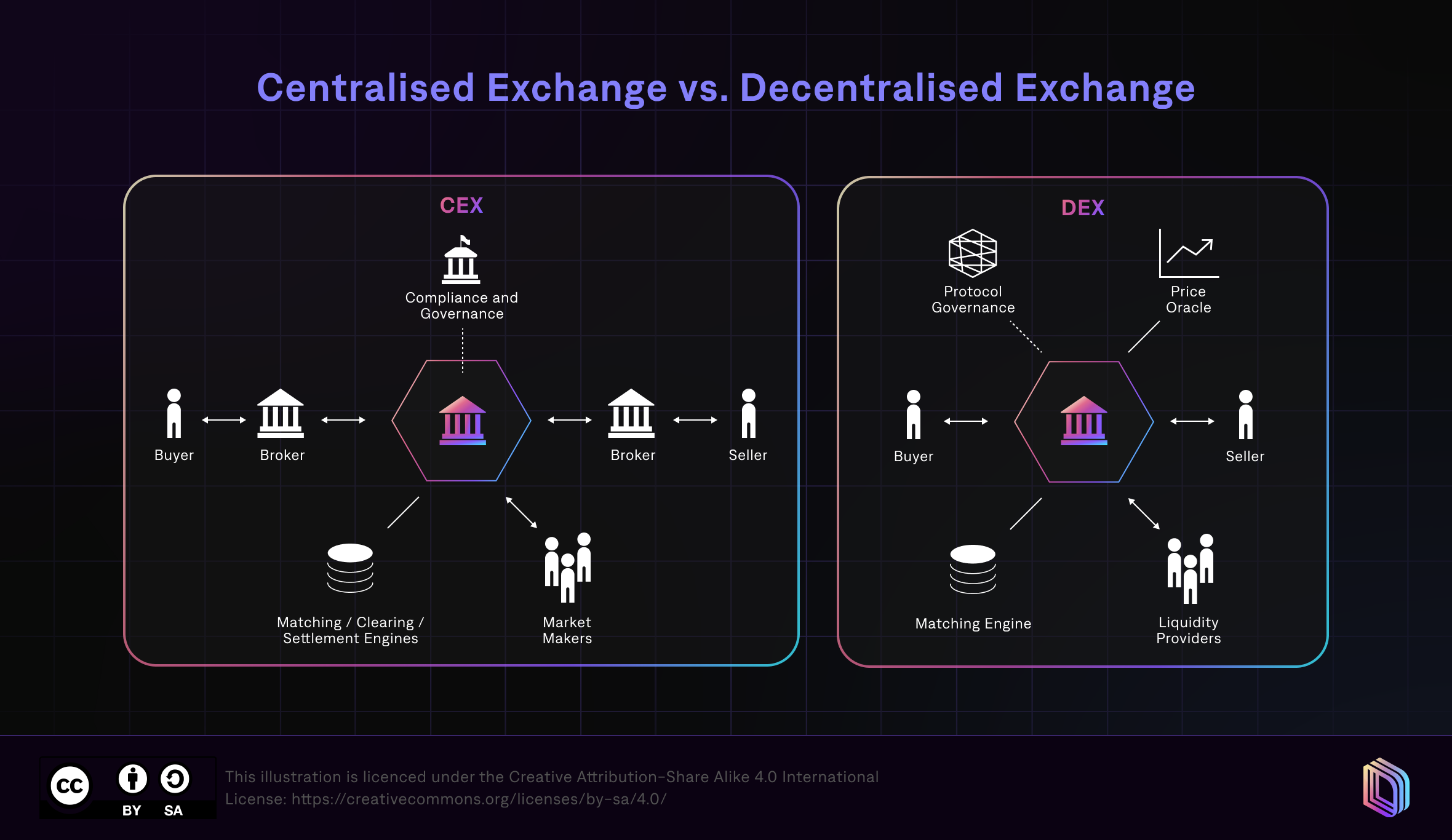
The transition from anonymous peer-to-peer trading to regulated on-chain activity requires different architectural approaches. As MiCA enforcement tightens in 2026, the three primary DEX models—Automated Market Makers (AMMs), Limit Order Books (LOBs), and Aggregators—handle compliance burdens with varying degrees of friction and technical complexity.
AMMs remain the dominant liquidity layer but face the hardest integration challenges for identity verification. Order Book DEXs, inheriting traditional finance structures, allow for more granular pre-trade screening. Aggregators act as the compliance bottleneck, forcing all underlying venues to meet regulatory standards or routing around them.
The table below outlines how each architecture manages key compliance mechanisms like geofencing and on-chain KYC.
| DEX Model | Compliance Approach | Geofencing | KYC Integration |
|---|---|---|---|
| Automated Market Maker (AMM) | Post-trade reporting & wallet screening | High friction (blocklists) | Indirect (via on-ramps) |
| Limit Order Book (LOB) | Pre-trade screening & audit trails | Native (order rejection) | Direct (identity gate) |
| DEX Aggregator | Multi-venue routing & MiCA reporting | Dynamic (route avoidance) | Unified (single entry point) |
Order Book models offer the cleanest path for institutional compliance because they can reject non-compliant orders before execution, similar to traditional exchanges. AMMs require external wallet screening tools to prevent illicit addresses from interacting with pools, creating a reactive rather than proactive compliance posture. Aggregators simplify the user experience but must maintain complex relationships with underlying venues to ensure no non-compliant liquidity is exposed.
Building a defensible compliance framework
Regulatory scrutiny of decentralized exchanges has shifted from theoretical oversight to active enforcement. DEX operators can no longer rely on decentralized governance as a shield against liability. To survive 2026, teams must implement a structured compliance infrastructure that satisfies MiCA requirements and global sanctions regimes.
The following steps outline the essential components for a defensible legal and technical framework.
Establish a clear legal nexus. MiCA requires Virtual Asset Service Providers (VASPs) to register in a specific EU member state. DEX teams must define the legal entity responsible for governance decisions and regulatory liaison, ensuring that liability is not obscured by anonymous development teams.
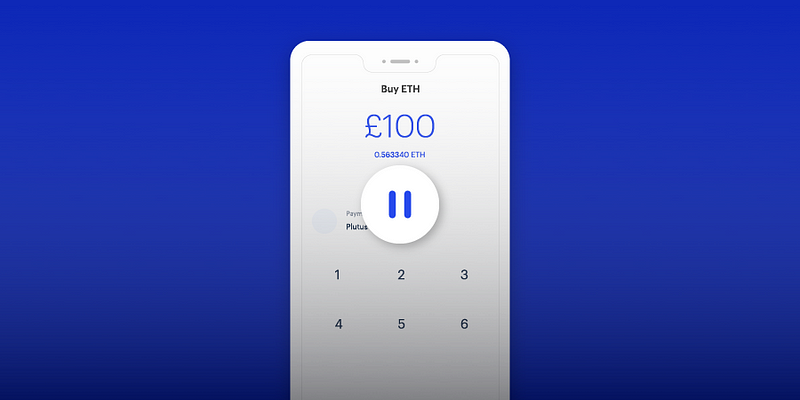
Implement identity verification at the protocol level or through integrated gateways. While full anonymity is eroding, selective KYC for high-volume traders or fiat on-ramps is becoming standard. Integrate with licensed identity providers to verify user credentials before granting access to certain liquidity pools or features.
Deploy real-time sanctions filtering against OFAC, EU, and UN lists. Smart contracts must be capable of blocking transactions from flagged addresses. This requires integrating blockchain analytics tools that update sanctions lists instantly, preventing the exchange from facilitating transfers with known illicit actors or state-sponsored entities.
Install continuous monitoring systems to detect suspicious activity patterns, such as layering or structuring. Use on-chain analytics to trace fund flows and flag anomalies. This system should generate alerts for compliance officers and support automated reporting obligations under the Travel Rule where applicable.
Building this infrastructure requires significant engineering and legal resources. However, the cost of non-compliance—ranging from frozen assets to criminal charges—far exceeds the investment. Proactive compliance is no longer optional; it is the foundation of operational legitimacy in the 2026 regulatory landscape.
Helpful gear
Use these product recommendations as a starting point, then choose the size, material, and price point that fit how you actually use the gear.


As an Amazon Associate, we may earn from qualifying purchases.
No comments yet. Be the first to share your thoughts!