
Get dex compliance 2026 right
Before you code a single smart contract or deploy a liquidity pool, you must align your architecture with the new regulatory baseline. The 2026 landscape demands that decentralized exchanges treat compliance as a core feature, not an afterthought. Teams are now directly accountable for anti-money laundering (AML) checks, know-your-customer (KYC) verification, transaction monitoring, sanctioned wallet filtering, and jurisdictional adherence.
Start by mapping your data flows. Identify exactly where user identity data enters your system and how it persists. If your protocol interacts with centralized gateways, ensure those partners meet the same rigorous standards you will be held to. Regulatory bodies are increasingly looking through the smart contract to the entities controlling the front-end interfaces and governance tokens.
Next, establish your risk tolerance for cross-border transactions. The Travel Rule requirements mean you cannot simply ignore the origin or destination of funds. Build the capability to capture and transmit required originator and beneficiary information for transfers above the regulatory threshold. Without this infrastructure, your DEX risks being flagged as a high-risk entity, leading to delistings or legal action.
Finally, document your compliance logic. Auditors and regulators will ask for a clear explanation of how your system detects suspicious activity. Ambiguity is your biggest liability. Define your thresholds, your reporting triggers, and your escalation procedures in writing before you launch. This documentation is your first line of defense in any regulatory inquiry.
Work through the steps
DEX Compliance works best as a clear sequence: define the constraint, compare the realistic options, test the tradeoff, and choose the path with the fewest hidden costs. That order keeps the advice usable instead of decorative. After each step, pause long enough to check whether the recommendation still fits the reader's actual situation. If it depends on perfect timing, unusual access, or a best-case budget, include a simpler fallback.

Fix common mistakes
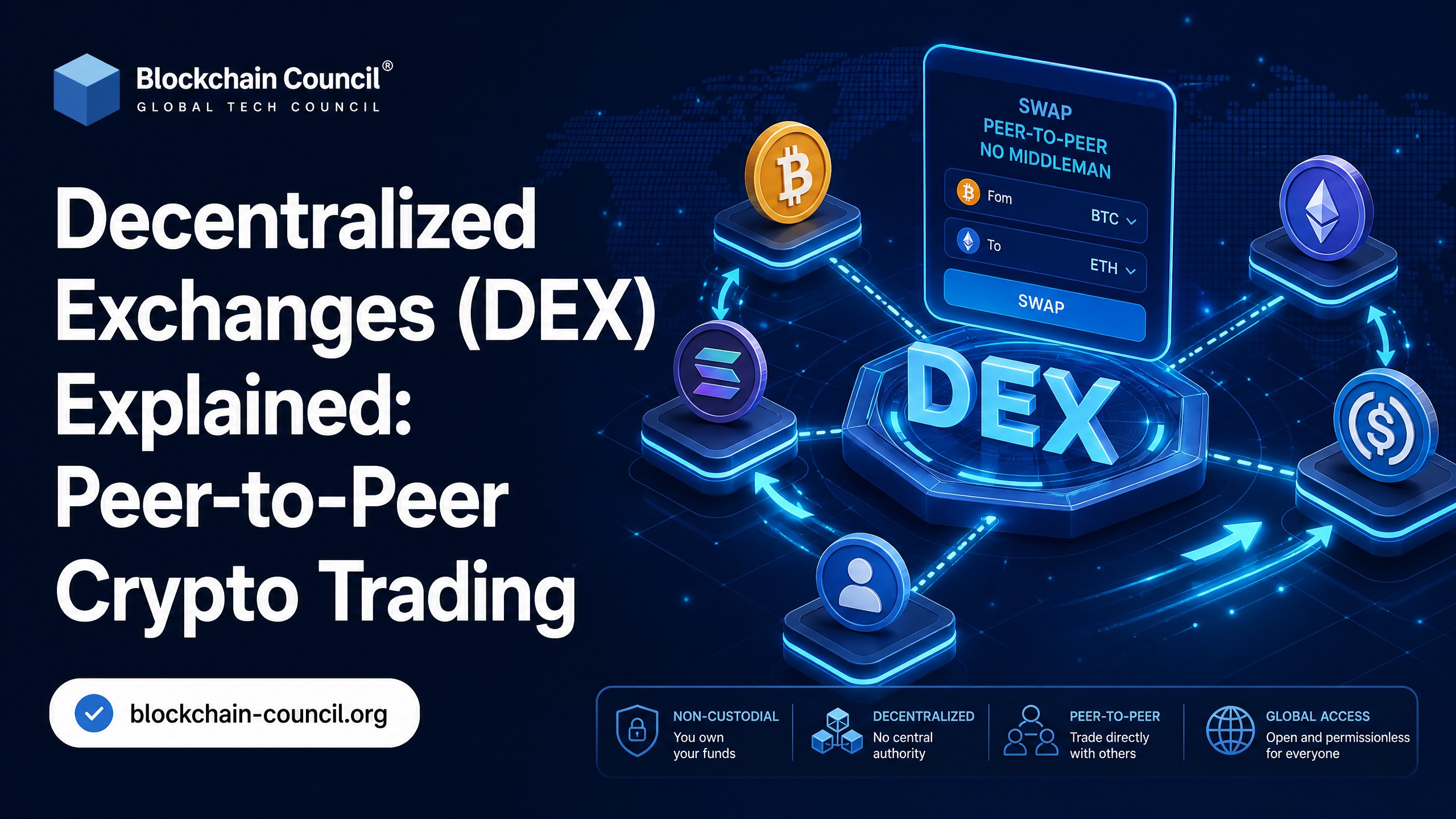
Compliance failures on decentralized exchanges rarely stem from malicious intent. They usually result from technical oversights that leave protocols exposed to regulatory scrutiny. Teams often treat compliance as an afterthought, assuming the decentralized nature of the code provides sufficient legal insulation. This assumption is incorrect under the 2026 framework.
The most frequent error is ignoring the Travel Rule requirements. Many DEX interfaces allow users to swap tokens without verifying the origin or destination of funds. This lack of transaction monitoring creates a blind spot for anti-money laundering (AML) teams. Regulators now expect real-time screening against sanctioned wallets. If your protocol cannot flag these transactions, it is non-compliant.
Another critical mistake is failing to implement jurisdictional filters. A global DEX must restrict access from regions where its operations are prohibited. Relying solely on user self-declaration is insufficient. You need robust geolocation tools that block IP addresses from restricted jurisdictions. Without this, you risk facilitating illegal activity across borders.
Finally, many teams neglect ongoing audits. Compliance is not a one-time setup. Market conditions and regulations change rapidly. Your smart contracts and front-end interfaces must be regularly reviewed to ensure they meet current standards. Ignoring this leads to vulnerabilities that can be exploited or cited in regulatory actions.
DEX compliance 2026: common questions answered
Navigating the 2026 regulatory landscape for decentralized exchanges requires clarity on where legal boundaries meet technical reality. The following answers address the most frequent concerns regarding safety, regulatory shifts, and platform selection.
Helpful gear
Use these product recommendations as a starting point, then choose the size, material, and price point that fit how you actually use the gear.


As an Amazon Associate, we may earn from qualifying purchases.
No comments yet. Be the first to share your thoughts!