
The 2026 Regulatory Shift for Decentralized Exchanges
The era of unchecked autonomy for decentralized exchanges is formally ending. In 2026, the U.S. Securities and Exchange Commission (SEC) has solidified its stance that the decentralized nature of a protocol does not shield interface providers and operators from federal oversight. The regulatory baseline has shifted from theoretical debate to enforced compliance, demanding that DEXs integrate traditional financial safeguards into on-chain infrastructure.
This transition marks a definitive end to the "wild west" period. Interface providers, who facilitate user access to liquidity pools, are now held accountable for the same regulatory obligations as centralized exchanges. The SEC’s enforcement actions have clarified that if a platform allows users to trade, it must implement robust Anti-Money Laundering (AML) and Know Your Customer (KYC) protocols. This accountability extends to transaction monitoring and the filtering of sanctioned wallets, requirements that were previously optional or technically difficult to enforce on-chain.
For protocol operators, the implications are structural. Compliance is no longer a peripheral feature but a core component of the user experience. This includes real-time surveillance of transaction patterns and the ability to freeze or flag addresses linked to illicit activities. Jurisdictional compliance has also become a critical factor, requiring DEXs to restrict access from prohibited regions. The result is a hybrid model where decentralized technology operates within a tightly regulated legal framework, prioritizing transparency and institutional adoption over absolute anonymity.
SEC Safe Harbor Conditions for Decentralized Exchanges
Qualifying for a regulatory safe harbor requires satisfying a cumulative set of technical and operational conditions. The SEC’s recent guidance emphasizes that structural neutrality alone is insufficient; DEX providers must actively ensure their protocols do not function as unregistered securities exchanges. To qualify, providers must satisfy 11 cumulative conditions, including objective and verifiable transaction routing and the strict non-custody of user assets [src-serp-5]. These requirements form the backbone of the 2026 compliance framework for VASPs, shifting the burden from passive code deployment to active governance and monitoring [src-serp-6].
Core Compliance Pillars
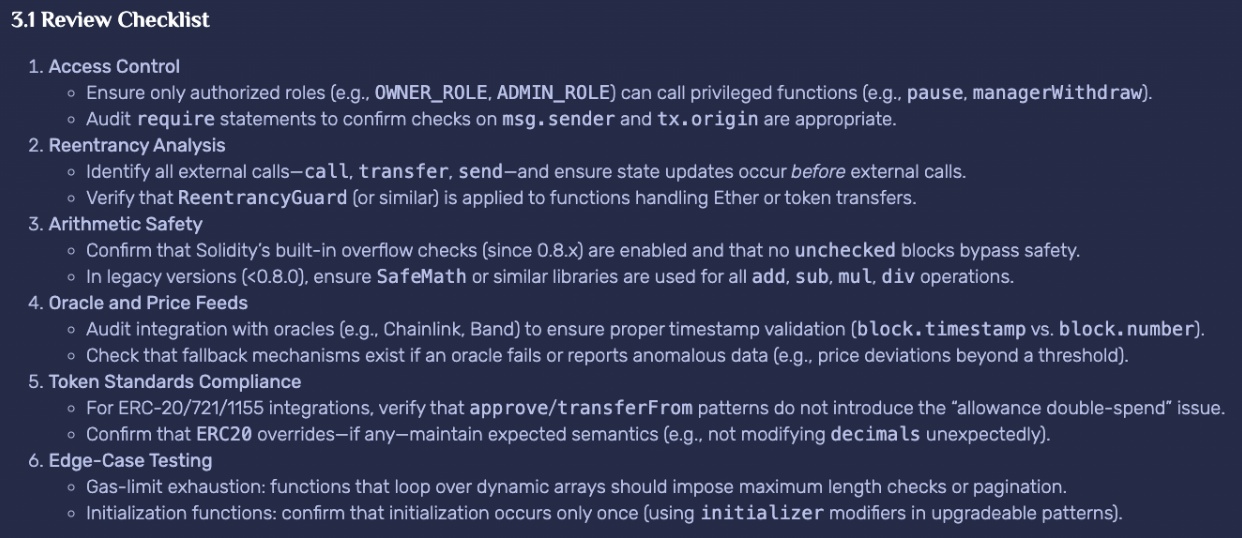
The safe harbor is built on four distinct pillars. First, non-custodial architecture ensures users retain control of private keys, preventing the DEX from acting as a bank. Second, geofencing and KYC gating restrict access from prohibited jurisdictions, effectively neutralizing the platform’s utility for illicit actors. Third, on-chain transaction monitoring utilizes blockchain analytics to flag suspicious activity in real-time. Finally, transparent governance requires clear documentation of protocol upgrades and risk disclosures.
The shift from legacy models to this compliant structure represents a fundamental change in how DEXs operate. Where previous iterations prioritized absolute anonymity, the 2026 standard demands a hybrid approach that balances decentralization with regulatory accountability.
Legacy vs. 2026 Compliant DEX Models
The following comparison highlights the structural differences between unregulated legacy DEXs and those adapting to the 2026 SEC guidelines.
| Feature | Legacy DEX | 2026 Compliant DEX |
|---|---|---|
| User Identity | Fully Anonymous | KYC-Verified / Geo-fenced |
| Asset Custody | User-Controlled (Non-Custodial) | User-Controlled (Non-Custodial) |
| Transaction Monitoring | None or Minimal | Real-Time Blockchain Analytics |
| Regulatory Reporting | None | Travel Rule & Suspicious Activity Reports |
| Governance Transparency | Code-Only / Opaque | Documented & Audited |
On-chain reporting standards and data visibility
The shift from decentralized anonymity to regulated transparency is the defining compliance challenge of 2026. DEXs are no longer viewed as purely software protocols; they are treated as financial intermediaries accountable for transaction monitoring, KYC adherence, and sanctioned wallet filtering. This regulatory lens requires DEX operators to integrate directly with blockchain analytics firms to provide the granular data visibility that traditional financial institutions rely on.
Blockchain analytics platforms serve as the essential bridge between on-chain activity and off-chain regulatory requirements. These firms process raw ledger data to identify patterns associated with money laundering, fraud, and sanctions evasion. By integrating these tools, DEXs can flag suspicious activity in real time and generate Suspicious Activity Reports (SARs) when necessary. Without this integration, a DEX cannot demonstrate the due diligence required under evolving global AML standards. The volume of transactions on major DEXs like Uniswap underscores the scale of this monitoring burden.
The integration of these analytics tools transforms the DEX interface. Users who attempt to interact with sanctioned addresses or exhibit high-risk behavior patterns may find their transactions flagged or blocked before they are broadcast to the network. This pre-transaction screening is a critical component of modern compliance, ensuring that the DEX remains a viable entity in a heavily regulated market. The architecture of the DEX must now support this level of scrutiny without compromising the core utility of decentralized trading.
Implementing geofencing and jurisdictional compliance kits
Geofencing and Travel Rule (TR) compliance kits function as the perimeter defense for Decentralized Exchanges (DEXs). In 2026, regulatory bodies like the SEC require VASPs to actively filter transactions from sanctioned jurisdictions and enforce identity verification for cross-border transfers. Without these tools, a DEX remains exposed to severe legal liability and potential shutdowns.
Step 1: Integrate jurisdictional IP and wallet screening
The first layer of defense involves blocking access from restricted geographies. DEXs must integrate IP-based geofencing to prevent users in sanctioned countries from accessing the interface. Simultaneously, wallet screening tools check incoming addresses against OFAC and UN sanction lists. This dual approach ensures that both the user's location and their on-chain history are vetted before any transaction is processed.
Integrate real-time geolocation services to block IP addresses from sanctioned regions. Pair this with on-chain analytics providers that flag wallets associated with illicit activity or sanctioned entities. This creates an immediate barrier against non-compliant users attempting to access the platform.
Step 2: Enforce Travel Rule data collection
The FATF Travel Rule mandates that VASPs share originator and beneficiary information for transactions above a certain threshold. DEXs must embed compliance kits that prompt users for this data during fiat on-ramps or cross-chain bridges. This step transforms anonymous interactions into traceable events, satisfying international regulatory standards and reducing the risk of being used for money laundering.
Implement smart contract hooks or off-chain gateways that trigger identity verification when transaction values exceed regulatory thresholds. Collect and securely store originator and beneficiary data as required by the FATF guidelines. This ensures that high-value transfers are fully documented and compliant with global anti-money laundering (AML) laws.
Step 3: Automate continuous transaction monitoring
Compliance is not a one-time event but a continuous process. DEXs must deploy automated monitoring systems that analyze transactions in real-time for suspicious patterns. These systems should flag unusual activity, such as rapid layering or structuring, and automatically freeze funds pending review. Regular audits of these monitoring rules ensure they adapt to evolving regulatory expectations and emerging threat vectors.
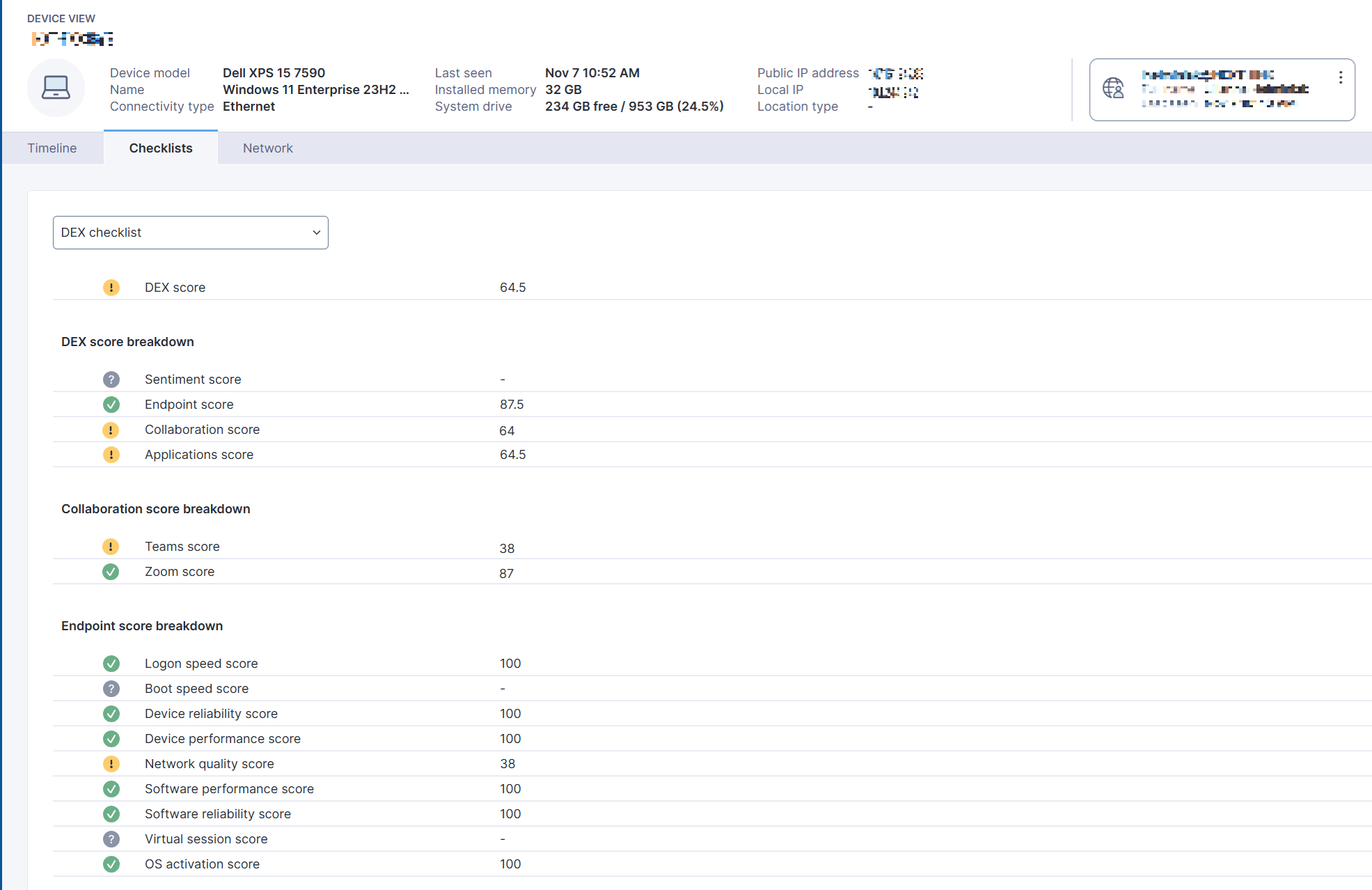
Utilize blockchain analytics platforms to monitor all on-chain activity for red flags. Configure automated alerts for high-risk transactions and establish clear protocols for freezing assets when suspicious behavior is detected. Regularly update monitoring parameters to reflect new regulatory guidance and emerging typologies of financial crime.
Step 4: Maintain governance and audit trails
Finally, DEXs must maintain robust governance structures and comprehensive audit trails. Every decision made by compliance officers, including the blocking of wallets or the approval of transactions, must be logged. These records are essential for demonstrating due diligence to regulators during audits or investigations. A transparent governance framework reinforces the DEX's commitment to compliance and operational integrity.
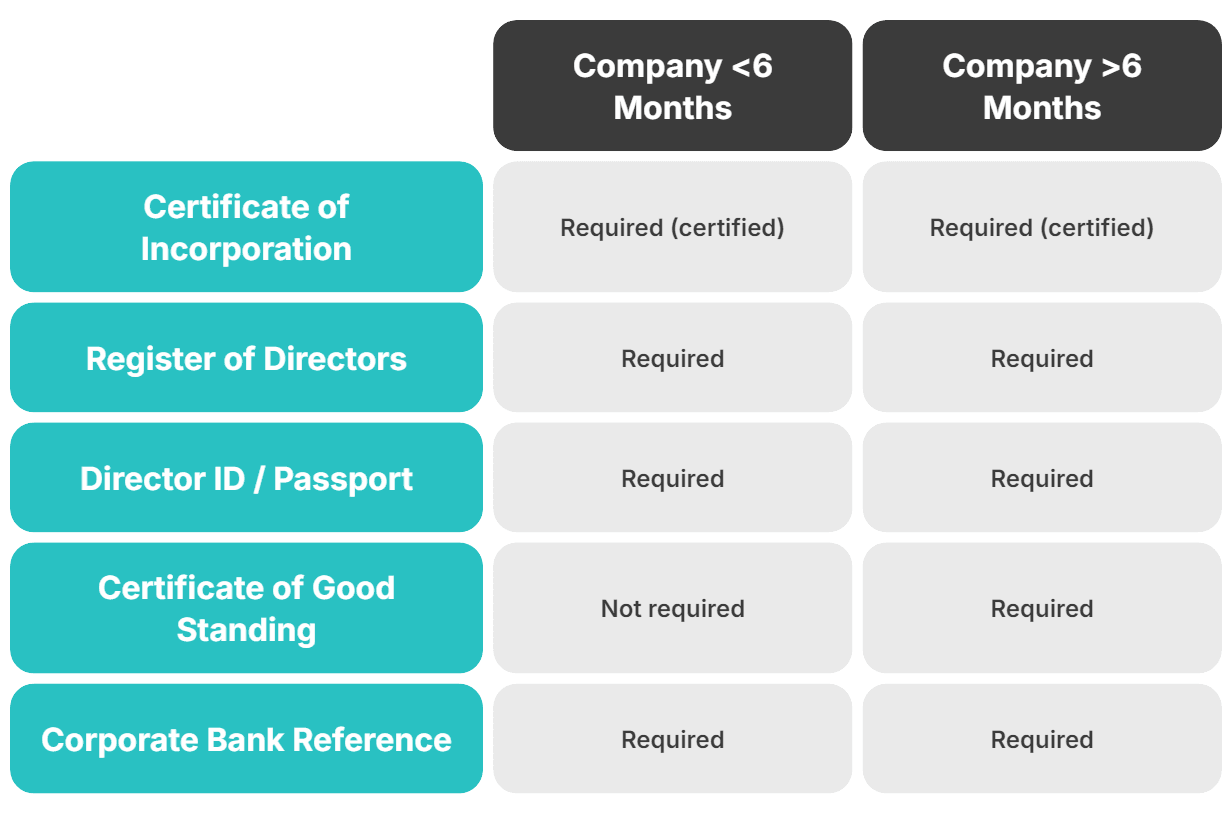
Create immutable logs of all compliance-related actions, including user verifications, transaction blocks, and regulatory reports. Implement a governance committee to review compliance policies and audit logs regularly. This documentation serves as critical evidence of your DEX's adherence to SEC guidelines and international standards.
Common compliance pitfalls for DEX developers
Even with immutable code, structural design choices can trigger regulatory classification as a Virtual Asset Service Provider (VASP). The most frequent error is retaining centralized admin keys or upgradeable proxy controls. If a developer can pause trading, blacklist addresses, or modify fee structures unilaterally, the SEC and FinCEN often view the protocol as a centralized exchange in disguise. This distinction removes potential safe harbor protections and mandates full licensing.
Another critical failure point is the lack of sanctions monitoring. Unlike traditional finance, on-chain anonymity does not exempt protocols from Office of Foreign Assets Control (OFAC) directives. Developers who fail to implement on-chain screening or ignore known sanctioned wallet interactions face severe enforcement actions. Compliance is not optional for liquidity routing; it is a fundamental operational requirement.
Finally, assuming decentralization equals automatic exemption is a dangerous misconception. As noted in industry analyses, founders often underestimate the nuance of current regulations [src-serp-4]. To qualify for favorable treatment, providers must satisfy cumulative conditions, including objective transaction routing and strict non-custody of assets [src-serp-5]. Ignoring these thresholds invites scrutiny that can shut down operations regardless of the underlying technology.
Frequently asked questions about DEX regulation
Helpful gear
Use these product recommendations as a starting point, then choose the size, material, and price point that fit how you actually use the gear.


As an Amazon Associate, we may earn from qualifying purchases.
No comments yet. Be the first to share your thoughts!