
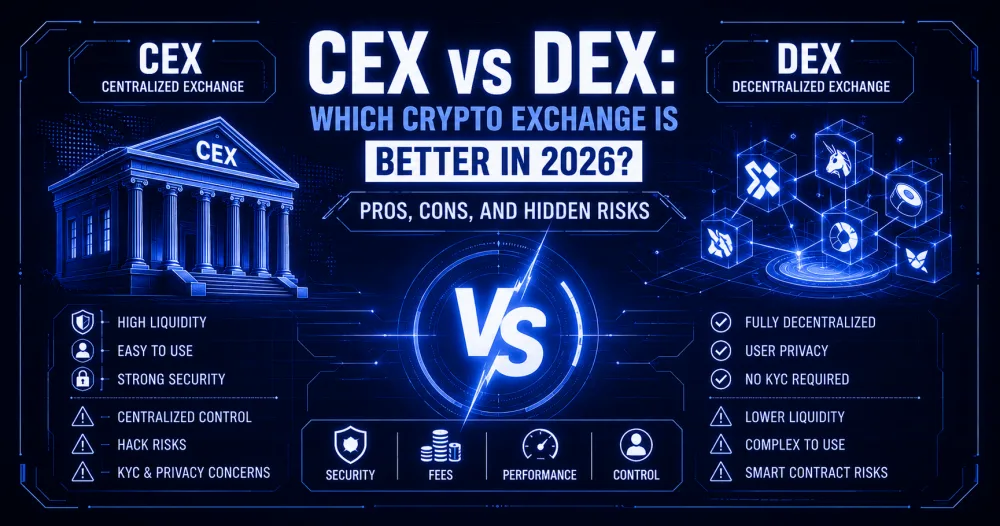
Understand the 2026 regulatory landscape
The era of treating decentralized exchanges (DEXs) as unregulated free zones is over. In 2026, the regulatory framework has shifted from targeting centralized gatekeepers to holding protocol operators and intermediaries accountable for on-chain activity. The concept of "decentralized" no longer implies exemption from the law; it now defines a new set of compliance responsibilities.
Two primary forces drive this change: the U.S. Securities and Exchange Commission (SEC) and the Financial Action Task Force (FATF) Travel Rule. The SEC has made it clear that many token offerings and trading mechanisms fall under securities laws, regardless of how the code is structured. Simultaneously, the FATF’s Travel Rule mandates that virtual asset service providers (VASPs) share originator and beneficiary information for transfers above a certain threshold. This effectively brings the traditional banking standard of know-your-customer (KYC) data into the crypto ecosystem.
This convergence means that even if a protocol is technically permissionless, the entities building, funding, or facilitating access to it must implement robust compliance infrastructure. The landscape is no longer about choosing between decentralization and regulation; it is about integrating them. Founders who assume their code is automatically exempt from licensing and compliance requirements are operating under a dangerous illusion that regulators are actively dismantling.
Step 1: Integrate on-chain geofencing
Geofencing acts as the first line of defense for a decentralized exchange, preventing prohibited jurisdictions from accessing trading pairs or liquidity pools. Rather than relying solely on off-chain KYC checks, this approach embeds compliance directly into the smart contract or router logic, ensuring that users from sanctioned regions cannot execute transactions. This method aligns with the SEC's expectation that DEX operators maintain objective and verifiable transaction routing mechanisms.
To implement this effectively, you must combine on-chain identity verification with smart contract modifiers. The process involves three core actions: selecting a compliant identity provider, defining the restricted jurisdiction list, and deploying the filtering logic.
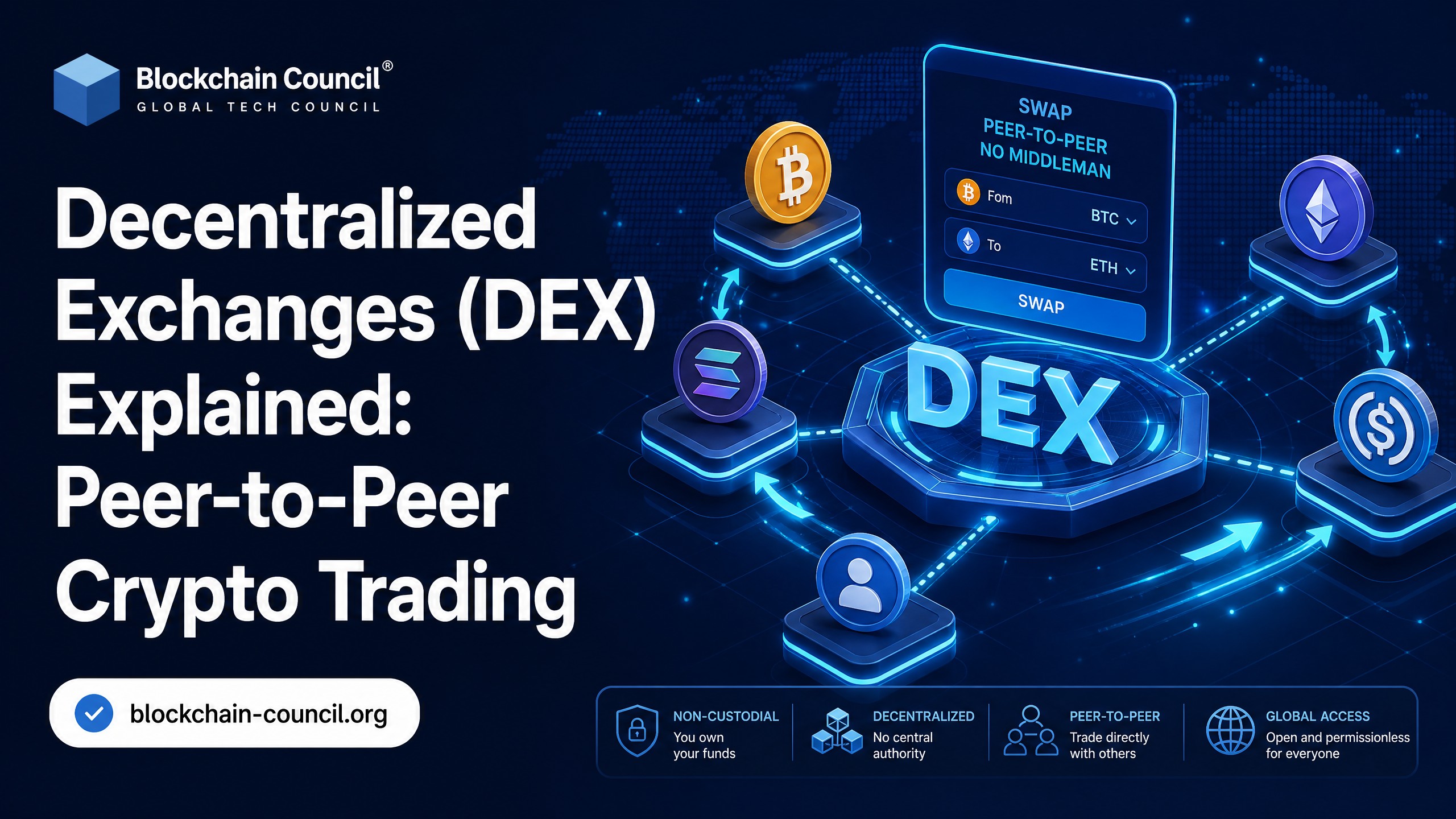
Choose a decentralized identity (DID) or proof-of-personhood provider that issues jurisdiction-specific credentials. The provider must support zero-knowledge proofs to verify a user's location without exposing their full identity data. Ensure the provider's API can integrate with your frontend to capture this data before a transaction is signed. This step is critical for satisfying the "objective and verifiable" requirement for transaction routing.

Compile a dynamic list of prohibited jurisdictions based on OFAC sanctions, EU regulations, and other relevant legal frameworks. Store this list on-chain or in a decentralized storage solution like IPFS, accessible by your smart contract. Regularly update this list to reflect changes in global regulatory status. Hardcoding static lists is risky; use a contract-controlled mapping that allows administrators to add or remove regions without a full redeployment.

Implement a modifier in your router or swap contract that checks the user's jurisdiction credential before executing a trade. If the credential indicates a restricted location, the transaction should revert immediately. This block occurs at the protocol level, ensuring that even if a user attempts to bypass frontend restrictions, the on-chain logic will prevent the swap. This creates a robust barrier against sanctioned wallet interactions.
This integration requires careful testing to ensure that legitimate users are not blocked while prohibited actors are effectively filtered. The goal is to create a seamless experience for compliant users while maintaining strict adherence to regulatory mandates. By embedding these checks into the core protocol, you reduce the risk of accidental non-compliance and demonstrate a proactive approach to DEX governance.
Implement Travel Rule data sharing
The FATF Travel Rule requires Virtual Asset Service Providers (VASPs) to share specific originator and beneficiary information for transactions exceeding a set threshold. For DEX operators acting as VASPs, this means you cannot simply broadcast a transaction hash; you must transmit structured data to the receiving institution before or during the transfer.
This is not optional. Regulatory bodies in the EU, Singapore, and other jurisdictions are enforcing these rules strictly. Failure to implement a compliant data-sharing protocol can result in heavy fines or the revocation of your operating license. The core challenge is establishing a secure, standardized channel between two VASPs to exchange this sensitive personal data without exposing it to the public blockchain.
1. Select a Travel Rule Solution Provider
You cannot build this communication layer from scratch efficiently. You need a middleware provider that acts as the secure bridge between your DEX’s backend and the receiving VASP. Providers like Sygna, Notabene, or TravelRule.com offer APIs that handle the encryption, identity verification, and message routing.
When choosing a provider, evaluate their integration complexity and the size of their VASP network. A provider with a large network reduces the likelihood of "orphaned" transactions where the receiving party does not support the same protocol. Look for solutions that support ISO 20022 standards, as this is becoming the global norm for financial messaging.
2. Integrate the API into Your Transaction Flow
Once you select a provider, embed their SDK or API into your DEX’s withdrawal process. The integration must happen in real-time. When a user initiates a withdrawal above the regulatory threshold (e.g., $1,000 or €1,000), your system should pause the transaction and trigger a request to the Travel Rule provider.
The provider will then query the receiving VASP to determine their data-sharing capabilities. If the receiving VASP is also connected to the same provider, the data exchange is automated. If they are on a different network or use a different provider, the system may fall back to a web-based portal or email verification, which introduces friction. Your user interface must handle these states gracefully, clearly explaining why their withdrawal is delayed.
3. Validate and Transmit Data
Your system must collect and validate the required data fields: the originator’s name, account number (or wallet address), and physical address, as well as the beneficiary’s details. This data must be encrypted end-to-end. Never store this information in plain text on your servers longer than necessary.
The actual transmission occurs via the provider’s secure channel. You are not sending the data to the public blockchain. You are sending it to the receiving VASP’s compliance system. Ensure your logs capture the successful transmission and the receiving VASP’s acknowledgment. This audit trail is critical for demonstrating compliance to regulators during an examination.
4. Handle Non-Compliant Counterparties
Not every exchange or wallet provider will be Travel Rule compliant. If the receiving VASP is unknown, unregistered, or refuses to provide the necessary information, you must treat the transaction as high-risk. In many jurisdictions, you are required to reject the transaction entirely if you cannot verify the beneficiary’s identity.
Implement a risk-based approach. For transactions where the counterparty is a known non-compliant entity, block the transfer. For high-risk but potentially legitimate cases, you may need to apply enhanced due diligence (EDD), such as requesting additional documentation from the user before proceeding. Document every decision to reject or delay a transaction.
5. Monitor and Update Compliance
Travel Rule requirements are not static. Regulatory thresholds and data fields may change as jurisdictions update their laws. Your solution provider should offer regular updates to their API and compliance logic. Schedule quarterly reviews of your implementation to ensure you are meeting the latest FATF recommendations and local regulatory expectations.
Regular audits of your data handling practices are also essential. Ensure that your encryption keys are rotated, your access controls are strict, and your data retention policies align with privacy laws like GDPR. Compliance is an ongoing process, not a one-time integration.
Step 3: Add KYC/AML screening layers
Integrating identity verification into a decentralized exchange requires balancing regulatory obligations with the speed users expect. The goal is to insert friction only where necessary—typically at the point of fiat on-ramping or high-value withdrawals—while allowing anonymous peer-to-peer trading to continue uninterrupted.
1. Implement tiered identity verification
Adopt a risk-based approach to KYC. Require full identity verification only for users exceeding specific transaction thresholds or interacting with regulated fiat gateways. For standard swap functionality, allow users to connect wallets without immediate identity checks. This preserves the core DEX value proposition of privacy for low-risk activities while ensuring compliance for higher-risk interactions.
2. Integrate real-time transaction monitoring
Static KYC data is insufficient on its own. You must layer on continuous transaction monitoring to detect suspicious patterns such as rapid layering or interactions with sanctioned addresses. Use blockchain analytics tools that flag high-risk wallets in real-time. This allows your compliance team to freeze suspicious transactions before they settle, reducing exposure to illicit funds.
3. Screen against global sanction lists
Regularly update your database against OFAC, EU, and UN sanction lists. Integrate this screening directly into your transaction flow. If a user attempts to trade with a blacklisted address, the system should automatically reject the transaction and log the incident for regulatory reporting. This step is critical for avoiding severe penalties from the SEC and FinCEN.
4. Optimize the user experience
Friction is inevitable, but poor design can drive users away. Use progressive profiling: ask for minimal information first and request more details only if risk scores increase. Ensure your verification portal is mobile-friendly and processes documents quickly. A slow or broken KYC flow will hurt your conversion rates more than the compliance cost will hurt your balance sheet.
Avoid common compliance implementation mistakes
Building a compliant decentralized exchange requires more than just deploying smart contracts. Teams often launch with gaps that expose the protocol to regulatory action or financial loss. The following pitfalls are the most frequent causes of non-compliance in 2026.
Ignoring SEC Safe Harbor Conditions
Many teams assume that because users control their keys, the exchange is not a money services business. This is incorrect. The SEC’s Safe Harbor provisions require satisfying 11 cumulative conditions. If you fail to meet objective and verifiable transaction routing or if you inadvertently take custody of assets, you lose that protection. Do not rely on assumptions; verify every condition against the current guidance.
Failing to Update Sanction Lists Dynamically
Static sanction lists become outdated within days. If your DEX filters transactions based on a list that is weeks old, you are facilitating prohibited transfers. Implement real-time API feeds from OFAC and other regulatory bodies. Your protocol must reject transactions involving sanctioned wallets instantly, not on a batch processing schedule.
Overlooking Jurisdictional Nuances
A global DEX must navigate conflicting local laws. A feature that is legal in one jurisdiction may be illegal in another. Implement geofencing and strict KYC checks for users in high-risk jurisdictions. Ignoring these nuances can lead to frozen assets and permanent bans from payment processors.
Frequently asked questions about DEX compliance
Users often confuse the mechanics of decentralized exchanges with the regulatory obligations of centralized platforms. Understanding these distinctions is critical for navigating the 2026 compliance landscape.
Helpful gear
Use these product recommendations as a starting point, then choose the size, material, and price point that fit how you actually use the gear.


As an Amazon Associate, we may earn from qualifying purchases.
No comments yet. Be the first to share your thoughts!