The 2026 regulatory shift for DEXs
The era of decentralized exchanges operating in regulatory gray zones has ended. In 2026, the legal distinction between centralized exchanges (CEXs) and DEXs is no longer a shield against oversight. Regulators worldwide have moved from theoretical scrutiny to active enforcement, treating DEX protocols and their operators with the same AML/KYC obligations as traditional financial institutions.
This shift marks a pivot from theoretical decentralization to enforced accountability. DEX teams are now responsible for implementing robust compliance infrastructure, including transaction monitoring, sanctioned wallet filtering, and jurisdictional compliance checks. The absence of a central corporate entity does not exempt a protocol from these requirements; instead, it shifts the burden of compliance onto the code and the entities maintaining it.
Global oversight has intensified significantly. According to recent analyses from major financial advisory firms, crypto compliance in 2026 is defined by strict adherence to anti-money laundering standards and sanctions regimes. Firms operating in this space must meet new AML expectations that mirror those of the banking sector. This is not a speculative trend but an observed regulatory reality enforced by authorities in key jurisdictions.
To contextualize the market environment in which these regulations are being implemented, consider the performance of major decentralized exchange tokens, which reflect investor sentiment toward regulatory clarity and protocol sustainability.
The implication for DEX operators is clear: compliance is no longer optional. Protocols that fail to integrate these controls face increased legal risk, potential delisting from major fiat on-ramps, and enforcement actions. The 2026 framework demands that decentralization coexist with transparency, requiring DEXs to adopt the same rigorous compliance tools used by their centralized counterparts.
MiCA Implementation in Europe
The Markets in Crypto-Assets (MiCA) regulation establishes the first comprehensive legal framework for digital assets within the European Union. For decentralized exchanges (DEXs) operating in this jurisdiction, compliance is no longer optional. The regulation mandates strict adherence to technical and operational standards, particularly regarding asset stability and geographic access controls. DEXs must align their infrastructure with these requirements to maintain market access.
Stablecoin Reserve Requirements
MiCA imposes rigorous standards on Asset-Referenced Tokens (ARTs) and E-Money Tokens (EMTs). Providers must maintain 1:1 reserves of high-quality liquid assets to back stablecoin issuance. This ensures that tokens remain pegged to their reference value even during market volatility. DEXs facilitating trading for these assets must verify reserve attestations and ensure transparent reporting. Failure to meet these reserve standards results in immediate suspension of trading privileges and potential legal action.
Geofencing and Access Controls
Geofencing is a critical compliance mechanism under MiCA. DEXs must implement robust identity verification (KYC) and sanctions screening to restrict access from prohibited jurisdictions. This involves integrating blockchain analytics tools to monitor transaction flows and identify high-risk addresses. Platforms must also enforce Travel Rule compliance, ensuring that transfer information accompanies transactions above specific thresholds. These technical safeguards prevent illicit activity and ensure that only eligible users can interact with the platform.
Operational Governance
Beyond technical controls, MiCA requires DEXs to establish clear governance structures. Operators must define roles and responsibilities for compliance officers and risk management teams. Regular audits of smart contracts and operational procedures are mandatory to identify vulnerabilities. This structured approach reduces regulatory risk and builds trust with users and authorities. DEXs that fail to implement these governance measures face significant penalties and loss of license.


As an Amazon Associate, we may earn from qualifying purchases.
SEC enforcement and US jurisdiction
The Securities and Exchange Commission continues to enforce existing securities laws against decentralized exchanges, maintaining a stance that code does not negate legal liability. Recent actions target protocols that facilitate trading in unregistered securities, regardless of whether the interface is purely decentralized. The US government has signaled that it will not tolerate jurisdictions that allow US persons to bypass federal financial regulations through offshore or anonymous channels.
This regulatory pressure has led to stricter scrutiny of on-chain activity. The SEC and its partners, including FinCEN, are increasingly focused on the points of entry and exit where fiat currency interacts with crypto assets. Protocols that fail to implement adequate controls at these gateways face significant legal risk. The ambiguity surrounding "decentralized" governance does not currently shield operators from enforcement if they are deemed to be acting as unregistered exchanges or money transmitters.
Compliance is no longer optional for any entity seeking legitimacy in the US market. Firms are adopting real-time monitoring tools to detect sanctions violations and suspicious transaction patterns. These technical frameworks are becoming essential for resilience, allowing protocols to identify and block illicit activity without compromising the core functionality of the decentralized network. The trend is clear: the US regulatory environment will only become more rigorous, requiring DEXs to integrate compliance directly into their technical architecture.
On-chain KYC and Geofencing Tools
Compliance for decentralized exchanges in 2026 requires a layered technical stack that satisfies regulatory mandates without destroying the core utility of non-custodial trading. The architecture must integrate wallet screening, Travel Rule protocols, and identity verification layers that selectively enforce rules for specific jurisdictions while preserving privacy for others.
The foundation is automated wallet screening. Tools like Elliptic or Chainalysis screen incoming and outgoing transactions against global sanction lists in real-time. This prevents a DEX from inadvertently facilitating transfers with addresses linked to illicit activity, a requirement enforced under the Financial Action Task Force (FATF) guidelines for Virtual Asset Service Providers (VASPs). Without this layer, a DEX faces immediate legal exposure regardless of its decentralized nature.
For cross-border transactions, the Travel Rule integration is mandatory. Protocols such as TRISA or Notabene enable the secure exchange of originator and beneficiary information between VASPs. This ensures that when a user moves funds from a centralized exchange to a DEX, the compliance data travels with the asset, maintaining an audit trail that regulators can access if necessary.
Geofencing tools use IP and blockchain data to restrict access from prohibited jurisdictions. These tools do not require users to submit full identity documents to trade anonymously; instead, they block access at the network level for regions under strict sanctions, such as certain US territories or OFAC-listed countries. This allows DEXs to operate globally while remaining compliant with local laws.
The following comparison highlights how different on-chain KYC providers balance privacy preservation with integration complexity.
| Provider | Privacy Approach | Integration Complexity |
|---|---|---|
| Elliptic | High (on-chain only, no PII stored) | Medium (API-based screening) |
| Chainalysis | Medium (requires some PII for sanctions) | High (complex SDK setup) |
| TRISA | High (messaging protocol only) | Medium (Travel Rule specific) |

This stack ensures that DEXs can operate within the 2026 regulatory framework by addressing AML, KYC, and sanction filtering requirements directly at the protocol level. By embedding these tools, exchanges demonstrate accountability to regulators while maintaining the decentralized ethos that defines the sector.
Build a Defensible Compliance Program
The 2026 regulatory landscape demands that decentralized exchanges (DEXs) move beyond theoretical adherence to practical, operational enforcement. Regulatory bodies are increasingly targeting the governance structures and technical controls of VASPs, requiring DEX operators to prove they can identify, monitor, and report illicit activity in real time. A defensible program is not a static policy document; it is an integrated stack of governance updates, automated transaction monitoring, and clear legal accountability.
The following steps outline the immediate actions required to mitigate legal risk and align with emerging global standards, including the Travel Rule and enhanced sanctions screening.
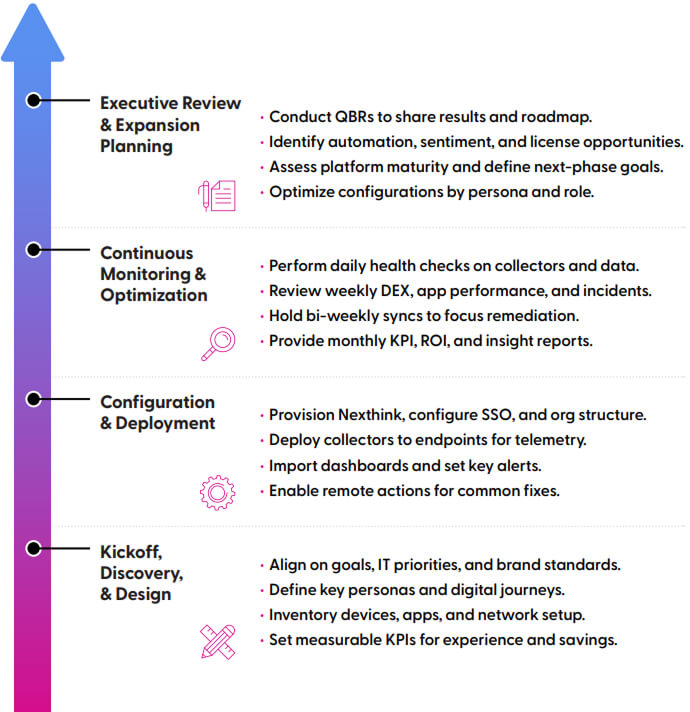
Regulatory scrutiny focuses heavily on the human element behind decentralized protocols. Operators must define a compliance officer or committee with explicit authority to halt suspicious activity. This structure ensures that when an alert is triggered, there is a designated individual or team responsible for investigation and reporting, satisfying the "human in the loop" requirement seen in recent enforcement actions. Without defined accountability, a DEX may be deemed negligent regardless of its technical safeguards.
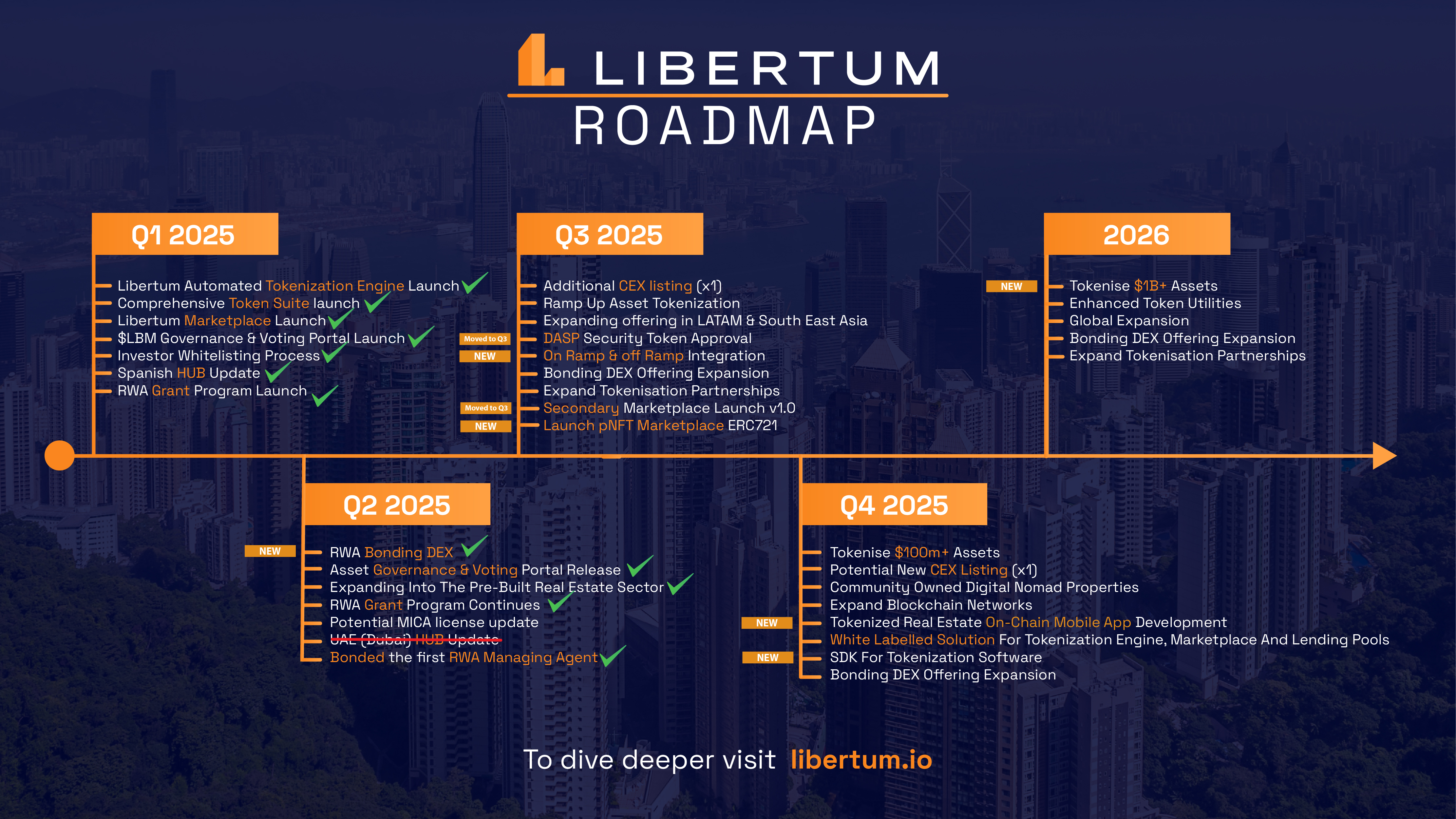
Passive monitoring is insufficient. DEXs must integrate blockchain analytics tools that scan transactions for interactions with sanctioned addresses, mixing services, or darknet markets. These systems should flag high-risk activity before it settles on-chain, allowing the platform to apply friction or block the transaction entirely. This proactive layer demonstrates to regulators that the platform is actively policing its own ecosystem rather than ignoring red flags.
For transactions exceeding specific thresholds, DEXs must collect and transmit originator and beneficiary information between virtual asset service providers (VASPs). This requires integrating with secure message protocols that allow for the exchange of this data without compromising user privacy unnecessarily. Failure to implement Travel Rule compliance mechanisms is a primary driver of regulatory fines in 2026, as it breaks the chain of custody for funds.
Sanctions lists, such as those from OFAC, are updated frequently. DEXs must automate the screening of all users and wallet addresses against these lists in real time. This process should be continuous, not periodic, ensuring that any address added to a watchlist is immediately frozen or blocked. Automated screening reduces the risk of human error and ensures that the platform remains compliant with the most current legal requirements.
Regulators require evidence of due diligence. Maintain detailed logs of all compliance actions, including flagged transactions, blocked users, and internal investigations. These records serve as the primary defense in any regulatory inquiry, proving that the DEX has acted in good faith and followed established protocols. Regular internal audits help identify gaps in the program before external regulators do.
By implementing these steps, DEX operators can build a compliance framework that is not only legally robust but also operationally effective. This approach shifts the narrative from reactive damage control to proactive risk management, positioning the platform as a responsible participant in the evolving digital asset ecosystem.
Common questions about DEX regulation
The regulatory landscape for decentralized exchanges (DEXs) in 2026 is defined by stricter enforcement rather than deregulation. Below are direct answers to the most pressing questions regarding compliance, enforcement priorities, and market implications.
No comments yet. Be the first to share your thoughts!