
Why MiCA Changes DEX Compliance in 2026
The regulatory landscape for decentralized exchanges has shifted from theoretical exemption to strict liability under the Markets in Crypto-Assets (MiCA) regulation. Effective 2026, the European Union’s framework removes the "code is law" defense for platforms that facilitate user access. This change forces DEX operators to navigate a compliance environment previously reserved for centralized exchanges.
MiCA does not distinguish between centralized and centralized interfaces when user access is facilitated through a legal entity or identifiable operator. If a DEX employs a team, maintains a front-end, or uses a governance token that implies centralized control, it falls under the definition of a Virtual Asset Service Provider (VASP). This classification triggers mandatory obligations that were previously optional or ignored in the DeFi space.
Note: MiCA does not distinguish between centralized and decentralized interfaces when user access is facilitated through a legal entity or identifiable operator.
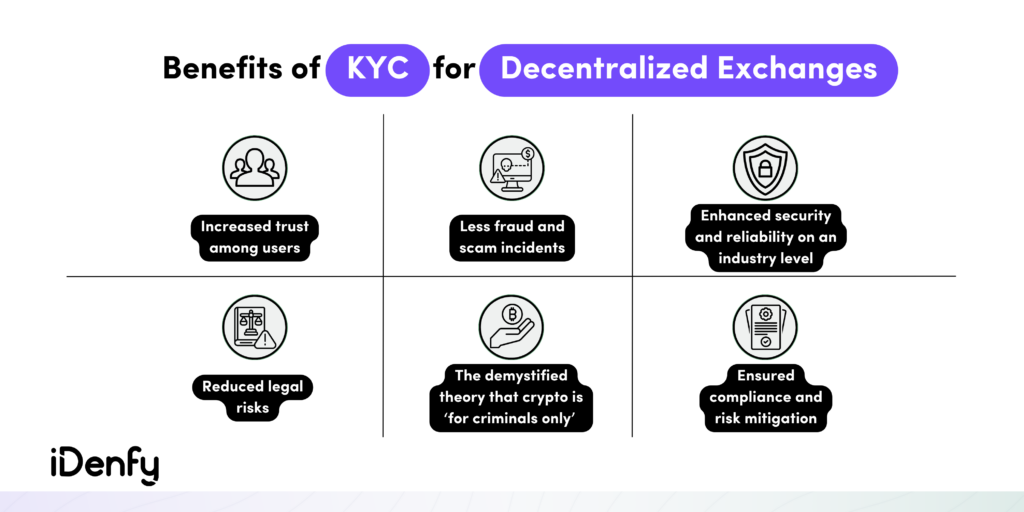
Under the new rules, DEX teams are now directly accountable for Anti-Money Laundering (AML) protocols, Know Your Customer (KYC) checks, and transaction monitoring. Sanctioned wallet filtering is no longer a best practice; it is a legal requirement. Jurisdictional compliance must be baked into the architecture, meaning smart contracts alone are insufficient. Operators must integrate blockchain analytics to trace fund flows and report suspicious activities to financial intelligence units.
This shift marks the end of the regulatory gray zone. Projects that relied on anonymity or distributed governance to avoid oversight now face enforcement actions. The 2026 framework demands a practical compliance infrastructure, including governance structures and audit trails, mirroring the standards of traditional financial institutions. For DEXs, this means adapting to a reality where decentralization does not equate to legal immunity.
Geofencing and jurisdictional access controls
The era of treating code as an absolute shield against regulation is ending. Under the EU's Markets in Crypto-Assets (MiCA) framework, DEX operators can no longer claim neutrality when their protocols facilitate access from prohibited jurisdictions. The technical requirement is now explicit: protocols must implement geofencing and jurisdictional access controls to prevent EU residents from interacting with non-compliant pools or features.
This shift moves compliance from a reactive legal battle to a proactive architectural constraint. DEX teams are now accountable for AML checks, KYC verification, transaction monitoring, and sanctioned wallet filtering. Crucially, they must also enforce jurisdictional compliance at the smart contract level. If a user attempts to connect from an EU IP or a recognized EU-based device, the protocol must block access or restrict functionality to compliant assets only.
The technical implementation often involves modifying smart contract logic to check for jurisdictional flags before allowing swaps or liquidity provision. This means that the "permissionless" nature of DEXs is being redefined. While anyone can still deploy code, the code itself must now include compliance mechanisms to operate legally within major markets like the EU.

This technical barrier effectively ends the defense that a protocol is merely a neutral tool. By embedding jurisdictional checks into the execution layer, DEXs are acknowledging their role as regulated entities. Failure to implement these controls risks severe penalties under MiCA, including fines and potential bans from operating within the EU market.
AML and Travel Rule implementation for DeFi
The EU’s Markets in Crypto-Assets (MiCA) regulation has closed the loophole that previously allowed decentralized exchanges (DEXs) to operate without traditional compliance oversight. Under the new framework, the definition of a Virtual Asset Service Provider (VASP) now extends to entities facilitating the exchange between crypto-assets and fiat currencies, or between different crypto-assets, regardless of whether the interface is centralized or decentralized. This means that DEX operators, including those behind automated market makers (AMMs) and liquidity protocols, must now adhere to strict Anti-Money Laundering (AML) standards and the FATF Travel Rule.
Transaction monitoring in a decentralized environment requires sophisticated blockchain analytics integration. Operators must implement real-time screening of wallet addresses against sanctions lists, such as those maintained by the EU Sanctions Map and OFAC. This involves tracking the flow of funds from origin to destination, identifying mixers or tumblers that obscure transaction paths, and flagging interactions with high-risk jurisdictions. The goal is to detect suspicious activity patterns—such as rapid layering or structuring—that deviate from normal user behavior, ensuring that the platform does not inadvertently facilitate illicit finance.
The Travel Rule, which mandates the collection and transmission of originator and beneficiary information for transactions above €1,000, presents a significant technical challenge for DeFi. Unlike centralized exchanges, DEXs often rely on smart contracts that do not inherently store user identity data. To comply, many protocols are integrating decentralized identity (DID) solutions or requiring users to complete KYC checks before accessing certain liquidity pools or higher transaction limits. This shift transforms the user experience, moving from purely anonymous, non-custodial interactions to regulated, identity-verified engagements.
The implementation of these rules is reshaping the competitive landscape. Protocols that fail to integrate robust compliance infrastructure risk losing access to traditional banking rails and facing regulatory action. Conversely, those that successfully embed AML and Travel Rule compliance into their architecture are positioning themselves as institutional-grade platforms, capable of handling larger volumes of regulated capital. As the 2026 compliance deadline approaches, the distinction between "decentralized" and "regulated" is becoming increasingly blurred, with compliance becoming a core feature rather than an afterthought.
Licensing requirements for DEX operators
The assumption that code is free from regulation is no longer valid. Under the EU’s Markets in Crypto-Assets (MiCA) framework, the legal entity operating the front-end interface or facilitating user access is treated as a Virtual Asset Service Provider (VASP). This classification applies even if the underlying smart contracts are fully decentralized and immutable. Regulators focus on the point of entry, meaning that whoever controls the website, the customer support channel, or the fiat on-ramp is liable for compliance.
To operate legally within the EU, these entities must obtain authorization from a national competent authority. The process requires submitting a detailed application that outlines the governance structure, the anti-money laundering (AML) protocols, and the technical safeguards in place. Without this license, the service cannot be offered to EU residents, regardless of where the server infrastructure is hosted. The European Securities and Markets Authority (ESMA) has clarified that anonymity at the protocol layer does not exempt the operator from these identity and conduct requirements.
The burden of compliance varies significantly depending on the design of the exchange. Fully anonymous DEXs that offer no user accounts or fiat integration may fall into a gray area, but those requiring email sign-ups, wallet connections, or customer support are squarely in the VASP category. The following comparison highlights the operational differences between non-compliant structures and those built for MiCA adherence.
| Feature | Anonymous DEX | MiCA-Compliant DEX |
|---|---|---|
| User Identity | None required | KYC/AML checks mandatory |
| Fiat Access | Not supported | Licensed payment services |
| Regulatory Oversight | None | National competent authority |
| Liability | Unclear | Full VASP liability |
Building a defensible compliance framework
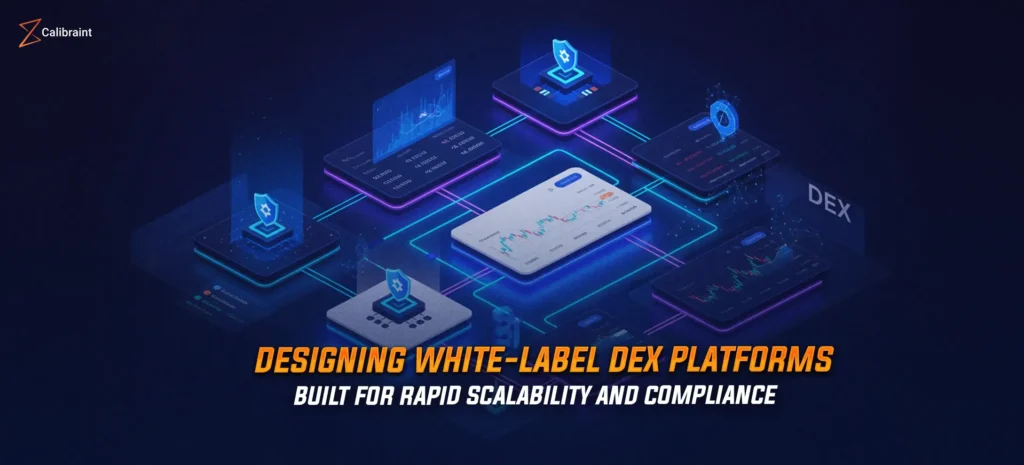
The transition from theoretical adherence to operational resilience requires a structured audit. For DEX teams, the 2026 standards under MiCA demand more than policy updates; they require infrastructure that can prove compliance in real time. This framework outlines the essential steps to audit your current stack against the gold standard for regulatory defense.
Begin by definitively classifying your entity. MiCA’s treatment of VASPs varies based on whether you facilitate fiat on-ramps or operate purely on-chain. Misclassification is the most common entry point for enforcement actions. Verify your operational scope against the latest ESMA guidelines to ensure your license applications or registrations cover all actual activities, including any cross-border services.

Static wallet whitelisting is insufficient for 2026. You must implement real-time transaction monitoring that integrates with leading blockchain analytics providers. This allows you to flag interactions with sanctioned addresses, mixers, or high-risk protocols before they settle. The goal is to create an immutable audit trail that demonstrates proactive risk management to regulators.
Even for decentralized interfaces, the Travel Rule obligations apply to your fiat-crypto touchpoints. Ensure your systems can capture and transmit originator and beneficiary information for transfers above the regulatory threshold. This requires technical integration with Virtual Asset Service Providers (VASPs) and stablecoin issuers to share data securely without compromising user privacy unnecessarily.
Regulators are scrutinizing governance structures more closely. Document your decision-making processes for protocol upgrades, fee changes, and security patches. Additionally, maintain a tested incident response plan that outlines communication protocols with regulators in the event of a hack or exploit. Defensibility often hinges on how quickly and transparently you respond to crises.
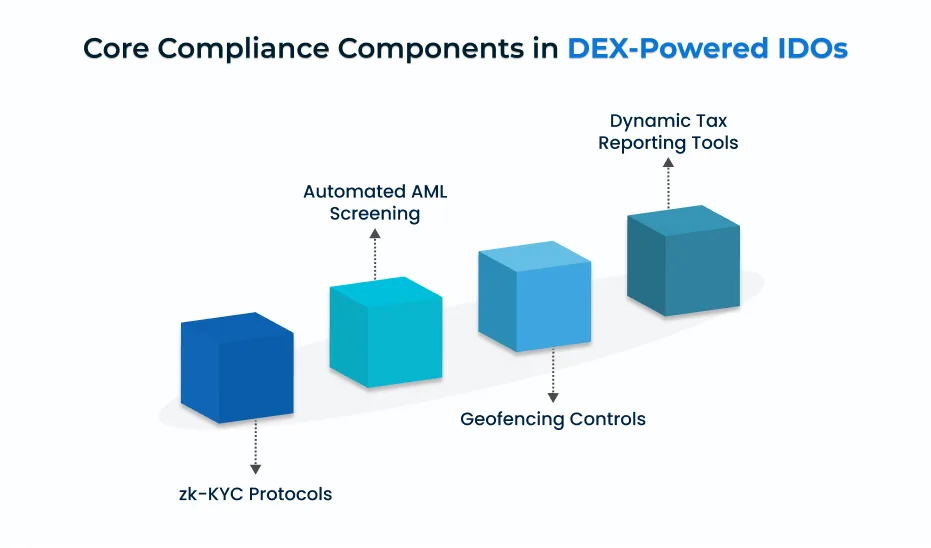
Internal checks are not enough. Engage independent firms to audit both your smart contracts and your compliance infrastructure annually. These reports serve as critical evidence of due diligence. Focus your audits on identifying gaps in KYC/AML procedures and data security, ensuring that your technical implementation matches your stated policies.
By following these steps, DEX teams can move beyond reactive measures. A defensible framework is not just about avoiding fines; it is about building the trust necessary for long-term institutional adoption.
| Component | 2025 Standard | 2026 Gold Standard |
|---|---|---|
| Transaction Monitoring | Post-mortem analysis | Real-time AI flagging |
| Data Sharing | Manual requests | Automated Travel Rule API |
| Governance | Informal records | Documented audit trails |
Helpful gear
Use these product recommendations as a starting point, then choose the size, material, and price point that fit how you actually use the gear.


As an Amazon Associate, we may earn from qualifying purchases.
No comments yet. Be the first to share your thoughts!