
The end of the regulatory wild west
The era of decentralized exchanges operating outside the bounds of traditional financial oversight has concluded. With the Markets in Crypto-Assets (MiCA) regulation fully enforceable across the European Union in 2026, the structural immunity previously enjoyed by protocol developers and DEX operators has been replaced by strict liability frameworks. This shift is not merely advisory; it represents a fundamental realignment where code does not supersede jurisdiction.
MiCA explicitly categorizes crypto-asset service providers (CASPs) subject to registration, capital, and operational requirements. For DEXs, this means that offering services to EU residents triggers compliance obligations regardless of whether the interface is governed by a smart contract or a centralized entity. The European Commission’s enforcement stance makes clear that anonymity is no longer a defensible architectural feature for market participants within the bloc.
Globally, the Financial Action Task Force (FATF) Travel Rule continues to exert pressure on cross-border liquidity. The rule mandates that Virtual Asset Service Providers (VASPs) share originator and beneficiary information for transactions exceeding $1,000. While DEXs often argue they are non-custodial, regulators increasingly view any interface facilitating such transfers as a point of accountability. Failure to implement effective wallet screening and transaction monitoring tools exposes operators to significant enforcement risks.
Note: MiCA fully applies to crypto-asset service providers in the EU as of 2026. DEXs offering services to EU residents must register or risk enforcement.
Compliance is no longer optional. Teams must integrate sanctioned wallet filtering, real-time transaction monitoring, and robust KYC procedures into their operational workflows. The legal landscape now demands that decentralized platforms function with the same transparency and accountability as their centralized counterparts.
CEX vs. DEX compliance in 2026
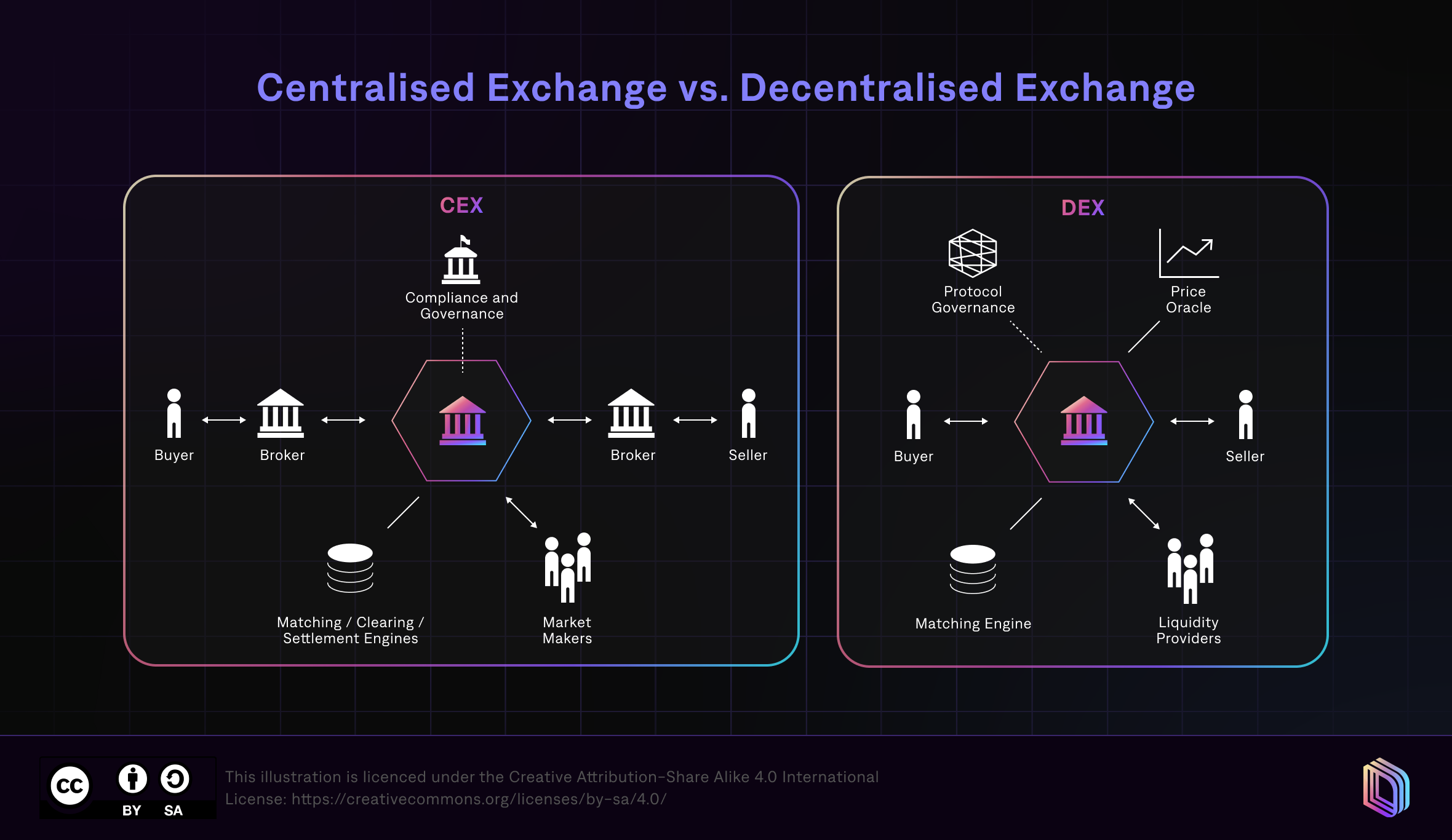
The 2026 regulatory landscape, driven by the EU’s Markets in Crypto-Assets (MiCA) framework, has forced a structural divergence between centralized and decentralized exchanges. Centralized exchanges (CEXs) operate as traditional financial gatekeepers, requiring mandatory Know Your Customer (KYC) verification before any asset movement. This model aligns with the Financial Action Task Force (FATF) Travel Rule, which mandates that Virtual Asset Service Providers (VASPs) share user identity data for transactions exceeding $1,000. For CEXs, compliance is baked into the core infrastructure, ensuring regulatory survival at the cost of user anonymity.
Decentralized exchanges (DEXs) face a different challenge. Because DEX smart contracts do not hold user funds, they historically operated outside traditional KYC purview. However, to maintain operational viability in 2026, DEXs are increasingly integrating compliance layers directly into the user interface. This includes geofencing to block access from restricted jurisdictions, real-time wallet screening against sanctions lists, and optional KYC gates for high-volume traders. These measures represent a shift from pure decentralization to a hybrid model that balances privacy with regulatory adherence.
The following table contrasts how these two models handle key compliance obligations under current regulations.
| Feature | CEX Model | DEX Model | Compliance Risk |
|---|---|---|---|
| Identity Verification | Mandatory KYC on signup | Optional or integrated via third-party | CEX: Low / DEX: Medium |
| Travel Rule Adherence | Native VASP integration | Screening tools or off-ramp gating | CEX: Low / DEX: High |
| Sanctions Screening | Real-time internal checks | Wallet address blacklisting | CEX: Low / DEX: Medium |
| User Friction | High (document upload) | Low (if no KYC gate) | CEX: High / DEX: Low |
The trade-off is clear: CEXs offer a frictionless experience for regulated entities but require surrendering personal data. DEXs preserve privacy but introduce technical friction through screening tools and potential access restrictions. As MiCA enforcement tightens, the gap between these models is narrowing, with most successful DEXs adopting some form of identity verification for liquidity pools and high-volume trading.
Implementing the Travel Rule on Decentralized Protocols
The Financial Action Task Force (FATF) Travel Rule mandates that Virtual Asset Service Providers (VASPs) exchange sender and receiver information for transactions exceeding $1,000. For decentralized exchanges (DEXs), this creates a structural conflict: the protocol’s immutable code cannot inherently hold, verify, or transmit personal identity data without violating its core design principles. Under the EU’s MiCA framework, this responsibility increasingly falls on the interfaces and middleware that facilitate access to these protocols, rather than the on-chain logic itself.
To satisfy these requirements, DEX teams are integrating compliance layers that operate outside the blockchain. These typically include wallet screening tools that flag addresses linked to illicit activity and third-party compliance kits that enforce Know Your Customer (KYC) checks at the wallet-connect stage. By filtering transactions before they reach the smart contract, these systems attempt to bridge the gap between pseudonymous on-chain activity and the real-world identity verification demanded by regulators.
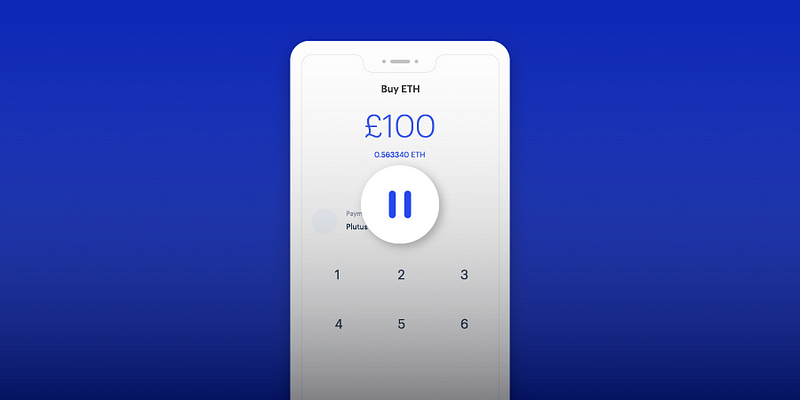
This approach shifts the burden of compliance to the edges of the network. While it allows the core protocol to remain decentralized, it creates a single point of failure at the interface level. If a DEX front-end fails to properly screen a user or enforce jurisdictional restrictions, the entire platform faces significant regulatory risk. As MiCA enforcement tightens, the distinction between "decentralized" and "regulated" is becoming less about the code and more about the gatekeepers who control access.
Geofencing and Sanctions Screening
MiCA and global AML frameworks require DEX operators to implement active controls over who can access their protocols. Compliance is no longer passive; it demands real-time screening of wallet addresses against sanctions lists and strict geofencing to block users in restricted jurisdictions.
On-chain screening tools like Chainalysis and Elliptic integrate directly into the transaction lifecycle. These systems analyze every swap or transfer, flagging interactions with sanctioned entities or high-risk pools. This "wallet screening" process ensures that the DEX does not facilitate transactions involving addresses linked to illicit activity, satisfying the requirements of the FATF Travel Rule for transfers exceeding $1,000.
Geofencing complements screening by restricting access based on geographic location. DEX interfaces and smart contracts can detect IP addresses or device fingerprints to prevent users from sanctioned countries or non-compliant regions from interacting with the platform. This dual-layer approach—screening the asset flow and blocking the user location—creates a robust compliance toolkit.
-
KYC integration for high-value users
-
Travel Rule support for VASP transfers
-
Automated sanctions list updates
-
Geofencing for restricted jurisdictions
US regulatory outlook and SEC priorities
The regulatory landscape in the United States is undergoing a distinct structural shift. For 2026, the SEC’s Division of Examinations published its annual priorities without the dedicated crypto-assets section that defined recent enforcement campaigns. This removal signals a less aggressive posture toward digital asset oversight, reflecting a broader pivot in Washington toward a friendlier stance on innovation.
However, a reduction in SEC enforcement activity does not equate to a regulatory vacuum. Federal anti-money laundering (AML) laws, anchored by the Bank Secrecy Act (BSA), remain fully enforceable. Developers and operators who exercise control over a protocol are still subject to these obligations. The legal responsibility to monitor transactions and report suspicious activity persists regardless of the SEC’s current enforcement focus.
Compliance strategies must therefore pivot from reacting to SEC lawsuits to maintaining rigorous internal controls. This involves implementing concrete tools such as wallet screening to identify sanctioned addresses and ensuring adherence to the FATF Travel Rule for transfers exceeding $1,000. These foundational AML requirements are not optional; they are the primary mechanism through which US regulators will continue to police the crypto sector in 2026.
Frequently asked questions about DEX compliance
Did the SEC remove crypto from 2026 priorities?
The U.S. Securities and Exchange Commission’s Division of Examinations published its fiscal 2026 priorities without the dedicated crypto-assets section that appeared in recent years. This shift signals a notable change in regulatory posture as Washington adopts a friendlier stance toward digital assets, though existing enforcement actions remain active.
What is the Travel Rule in crypto 2026?
The Financial Action Task Force (FATF) Travel Rule requires Virtual Asset Service Providers (VASPs) to share the identities of users involved in transfers valued at 1,000 USD or more. Under this framework, VASPs must obtain, verify, and share customer identification data with other VASPs and authorities upon request, a requirement that directly impacts decentralized exchange operators.
How does MiCA affect decentralized exchanges?
The Markets in Crypto-Assets (MiCA) regulation applies to issuers and service providers offering crypto-asset services within the European Union. While it primarily targets centralized entities, DEXs facilitating significant on-ramp/off-ramp services or issuing stablecoins may fall under its scope, requiring adherence to strict transparency and reserve standards.
Helpful gear
Use these product recommendations as a starting point, then choose the size, material, and price point that fit how you actually use the gear.


As an Amazon Associate, we may earn from qualifying purchases.
No comments yet. Be the first to share your thoughts!