
The end of the regulatory gray zone
The era of treating decentralized exchanges as untouchable code has officially closed. In 2026, the regulatory gray zone that allowed DEX protocols to operate without formal compliance layers has been replaced by direct enforcement. Regulators are no longer waiting for decentralized finance to mature; they are actively applying existing legal frameworks to on-chain activity, making the "code is law" defense legally obsolete.
This shift is driven by two primary regulatory pillars: the European Union’s Markets in Crypto-Assets (MiCA) regulation and the United States Securities and Exchange Commission’s (SEC) aggressive stance on unregistered securities offerings. Under MiCA, Virtual Asset Service Providers (VASPs) must adhere to strict Anti-Money Laundering (AML) and Know Your Customer (KYC) requirements, regardless of whether the underlying infrastructure is centralized or decentralized. The EU Commission has made it clear that intermediaries facilitating these transactions are accountable for compliance failures.
Simultaneously, the SEC has signaled that DEX developers and operators can be held liable if their platforms facilitate the trading of unregistered securities. Recent enforcement actions have targeted protocols that failed to implement adequate transaction monitoring or sanctioned wallet filtering. The expectation is no longer passive neutrality but active oversight. DEX teams must now account for AML protocols, KYC verification, and jurisdictional compliance as core operational requirements rather than optional features.
The result is a mandatory transition from ambiguity to structured accountability. Protocols that ignore these obligations face immediate legal risk, including delisting from major liquidity pools, frozen assets, and significant fines. The market is now pricing in the cost of compliance, with successful DEXs integrating on-chain KYC solutions and real-time transaction monitoring to demonstrate adherence to global standards.
MiCA requirements for decentralized exchanges
The EU’s Markets in Crypto-Assets (MiCA) regulation fundamentally shifts the compliance burden for decentralized exchanges (DEXs) operating within the bloc. Effective 2026, DEXs are no longer viewed as purely anonymous protocols; they are subject to strict transparency and consumer protection mandates. The core objective is to prevent market manipulation and ensure that users are fully informed about the risks associated with crypto-asset services.
Transparency is the primary compliance pillar. DEX operators must publish clear, accessible documentation detailing the nature of the assets traded, the risks involved, and the fees charged. This includes disclosing any conflicts of interest, such as proprietary trading by the protocol developers. Failure to provide this information can result in significant fines and operational bans. The regulation demands that the "who" behind the code is identifiable, effectively piercing the veil of anonymity that has historically defined DeFi.
Consumer protection measures require robust risk disclosure and adequate capital buffers. DEXs must implement measures to protect user funds against technical failures, cyberattacks, and operational errors. This often involves holding reserve assets to cover potential losses, ensuring that a protocol hack does not leave users uncompensated. Additionally, DEXs must provide clear information on the settlement process, ensuring users understand when and how their trades are finalized on-chain.
Compliance failures under MiCA are already being addressed by regulatory bodies. The European Securities and Markets Authority (ESMA) has issued guidance clarifying that even non-custodial wallets and automated market makers (AMMs) fall under MiCA if they facilitate crypto-asset services. DEXs that ignore these requirements risk being blocked from EU IP addresses or facing cross-border enforcement actions. The trend is clear: anonymity is being replaced by accountability.

The implementation of MiCA requires DEXs to adopt a proactive approach to regulatory adherence. This includes regular audits of smart contracts, transparent reporting of protocol governance changes, and clear communication channels for user disputes. The goal is to create a trusted environment where innovation can thrive without compromising financial stability or consumer rights.
For DEX operators, the path forward involves integrating compliance into the protocol’s architecture from the ground up. This may mean implementing KYC/AML checks for high-value transactions, enhancing security protocols, and establishing legal entities in compliant jurisdictions. The cost of compliance is high, but the alternative—exclusion from the EU market—is existential for many projects.
SEC safe harbor and US enforcement risks
Use this section to make the DEX Compliance decision easier to compare in real life, not just on paper. Start with the reader's actual constraint, then separate must-have requirements from details that are merely nice to have. A practical choice should survive normal use, maintenance, timing, and budget. If a recommendation only works in an ideal situation, call that out plainly and give the reader a fallback path.
| Factor | What to check | Why it matters |
|---|---|---|
| Fit | Match the option to the primary use case. | A good deal still fails if it does not fit the job. |
| Condition | Verify age, wear, and service history. | Hidden condition issues erase upfront savings. |
| Cost | Compare purchase price with likely upkeep. | The cheapest option is not always the lowest-cost option. |
Implementing on-chain KYC and Travel Rule
Use this section to make the DEX Compliance decision easier to compare in real life, not just on paper. Start with the reader's actual constraint, then separate must-have requirements from details that are merely nice to have. A practical choice should survive normal use, maintenance, timing, and budget. If a recommendation only works in an ideal situation, call that out plainly and give the reader a fallback path.
-
Verify the basicsConfirm the core specs, condition, and fit before comparing extras.
-
Price the downsideLook for the repair, maintenance, or replacement cost that would change the decision.
-
Compare alternativesCheck at least two comparable options before treating one listing as the benchmark.
Third-party compliance toolkits and vendors
Building a decentralized exchange that survives regulatory scrutiny requires more than just smart contracts; it demands a stack of third-party verification services. In 2026, the gap between theoretical decentralization and legal operation is bridged by specialized compliance vendors. These tools integrate on-chain monitoring, identity verification, and transaction screening directly into the DEX interface, allowing operators to meet MiCA and SEC expectations without sacrificing core functionality.
The landscape has shifted from ad-hoc solutions to integrated compliance-ready platforms. Developers now embed Know Your Customer (KYC) checks and sanctions screening at the protocol level. This approach ensures that every transaction is vetted against global regulatory lists before it is finalized on-chain. The result is a DEX that operates within the bounds of law, reducing the risk of enforcement actions.
Choosing the right vendor depends on the specific regulatory jurisdictions your users inhabit. European platforms must prioritize MiCA alignment, while those serving US residents need robust AML (Anti-Money Laundering) frameworks. The cost of non-compliance is steep, with potential fines reaching millions of euros or dollars. Investing in a reliable compliance toolkit is not optional; it is a fundamental requirement for market entry.
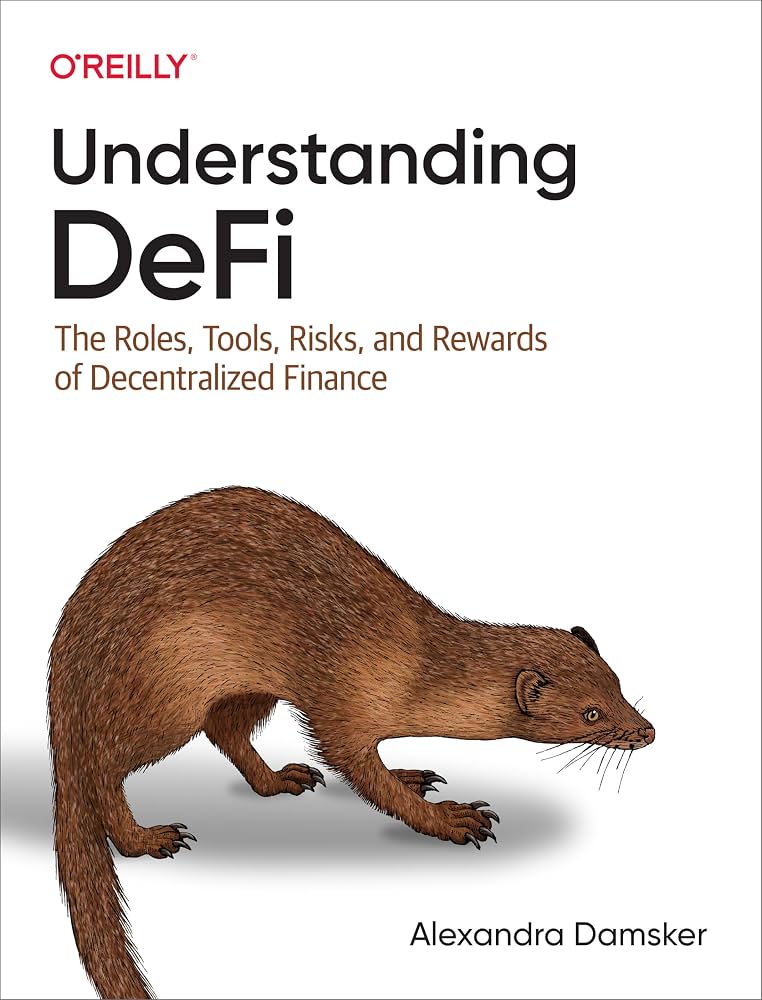
For teams seeking to deepen their understanding of these legal frameworks, several authoritative texts provide essential context:


As an Amazon Associate, we may earn from qualifying purchases.

No comments yet. Be the first to share your thoughts!