
Dex compliance 2026 limits to account for
The 2026 DEX compliance landscape shifts from theoretical freedom to practical accountability. Regulators in the US and EU are no longer asking if decentralized protocols can be controlled; they are defining how. For protocol teams, this means DEX compliance 2026 is less about hiding behind code and more about implementing enforceable guardrails.
In the US, the SEC’s enforcement strategy targets the entities that exercise control over a protocol’s core functions. While no specific crypto bill has passed Congress, existing securities laws apply to centralized exchanges and increasingly to DEX founders who retain administrative keys or governance power. The European Union’s Markets in Crypto-Assets (MiCA) regulation, fully effective in 2026, imposes strict transparency and anti-money laundering (AML) requirements on crypto-asset service providers, including those operating decentralized interfaces.
DEX teams are now accountable for AML, KYC, transaction monitoring, sanctioned wallet filtering, and jurisdictional compliance. Your wallet acts as your account, but if the protocol’s interface or governance structure can be leveraged to bypass these checks, the team faces liability. The constraint is clear: privacy and regulatory compliance must coexist.
The tradeoff is immediate usability versus long-term survival. Protocols that ignore these constraints risk delisting from major fiat on-ramps or facing direct enforcement actions. Those that integrate compliance tools, such as real-time transaction screening, maintain access to traditional financial rails while preserving the decentralized ethos. The choice is not between compliance and decentralization, but between sustainable operation and regulatory shutdown.
Dex compliance 2026 choices that change the plan
The 2026 regulatory landscape for decentralized exchanges (DEXs) has shifted from a "wild west" environment to one requiring structured compliance. Protocols now face pressure to implement Anti-Money Laundering (AML) checks, Know Your Customer (KYC) verification, and sanctioned wallet filtering without destroying the core value proposition of decentralization. The tradeoff is no longer just about features versus fees; it is about regulatory survivability versus user anonymity.
Comparison of Compliance Models
Choosing a compliance path involves balancing operational complexity against legal safety. The table below outlines the primary approaches protocols are adopting in 2026.
| Compliance Model | How It Works | User Friction | Regulatory Risk |
|---|---|---|---|
| Embedded KYC | Identity verification at wallet connection or first swap | High. Requires personal data submission | Low. Clear audit trail for authorities |
| Transaction Monitoring | On-chain analytics flag suspicious patterns for review | Low. Passive background check | Medium. Reactive rather than preventive |
| Sanctioned Wallet Filtering | Smart contract blocks addresses on OFAC lists | None for compliant users | Low. Prevents illicit fund movement |
| Decentralized Governance | Community votes on compliance parameters | Variable. Depends on governance participation | High. Ambiguous liability for DAO members |
Practical Tradeoffs by Use Case
For high-volume institutional traders, the tradeoff favors embedded KYC. These users require regulatory clarity and insurance protections that only compliant, identity-verified platforms can offer. The friction of submitting documents is outweighed by the security of a regulated environment.
For retail privacy advocates, transaction monitoring offers a middle ground. Users retain anonymity while the protocol monitors for large, suspicious transfers. However, this model carries higher legal risk if regulators deem passive monitoring insufficient to prevent money laundering.
For emerging markets, sanctioned wallet filtering is critical. It allows users in restricted jurisdictions to participate without exposing their identities to broader KYC databases, provided they are not on exclusion lists. This is the most common "light" compliance layer adopted by global DEXs in 2026.
Decision Framework
When evaluating a DEX for 2026, look for transparency in its compliance stack. Does the protocol publish its AML policies? Does it actively filter sanctioned addresses? A DEX that ignores these basics is not just risky; it is likely to be shut down by enforcement agencies. Choose platforms that integrate compliance tools seamlessly, ensuring that security does not come at the cost of total accessibility.
Choose the next step
DEX Compliance works best as a clear sequence: define the constraint, compare the realistic options, test the tradeoff, and choose the path with the fewest hidden costs. That order keeps the advice usable instead of decorative. After each step, pause long enough to check whether the recommendation still fits the reader's actual situation. If it depends on perfect timing, unusual access, or a best-case budget, include a simpler fallback.



Spotting misleading compliance claims
Regulatory pressure is shifting the burden onto protocol developers, not just end users. As outlined in recent industry analyses, decentralized exchange teams are now accountable for AML, KYC, transaction monitoring, and sanctioned wallet filtering (src-serp-2). Any claim that a DEX is "fully anonymous" or "unregulated" is a dangerous oversimplification in 2026.
Many projects market themselves as non-custodial to avoid compliance, but this ignores the reality of on-chain surveillance. If a protocol facilitates swaps without filtering sanctioned addresses, it risks SEC enforcement. Privacy is no longer a feature; it is a liability.
The real risk lies in the gap between code and law. Smart contracts execute trades, but they do not absolve the team of legal responsibility. Always verify if a protocol implements actual compliance layers or just uses the language of decentralization as a shield.
Dex compliance 2026: what to check next
Helpful gear
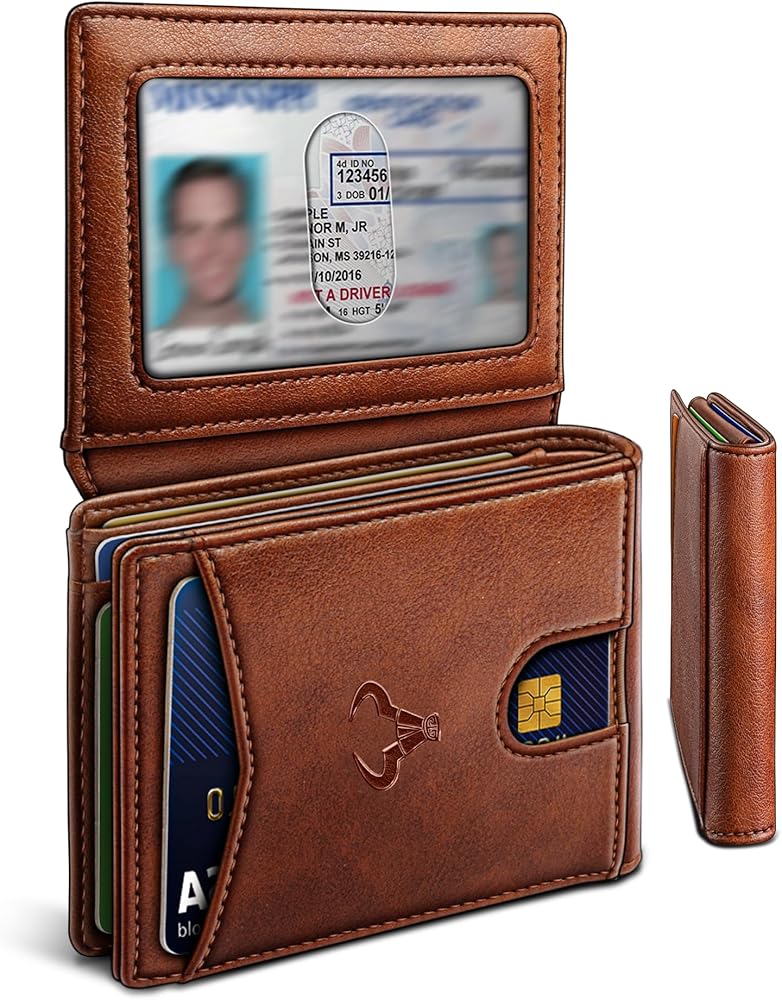
Use these product recommendations as a starting point, then choose the size, material, and price point that fit how you actually use the gear.


As an Amazon Associate, we may earn from qualifying purchases.
No comments yet. Be the first to share your thoughts!