
DEX Compliance 2026: The New Enforcement Reality
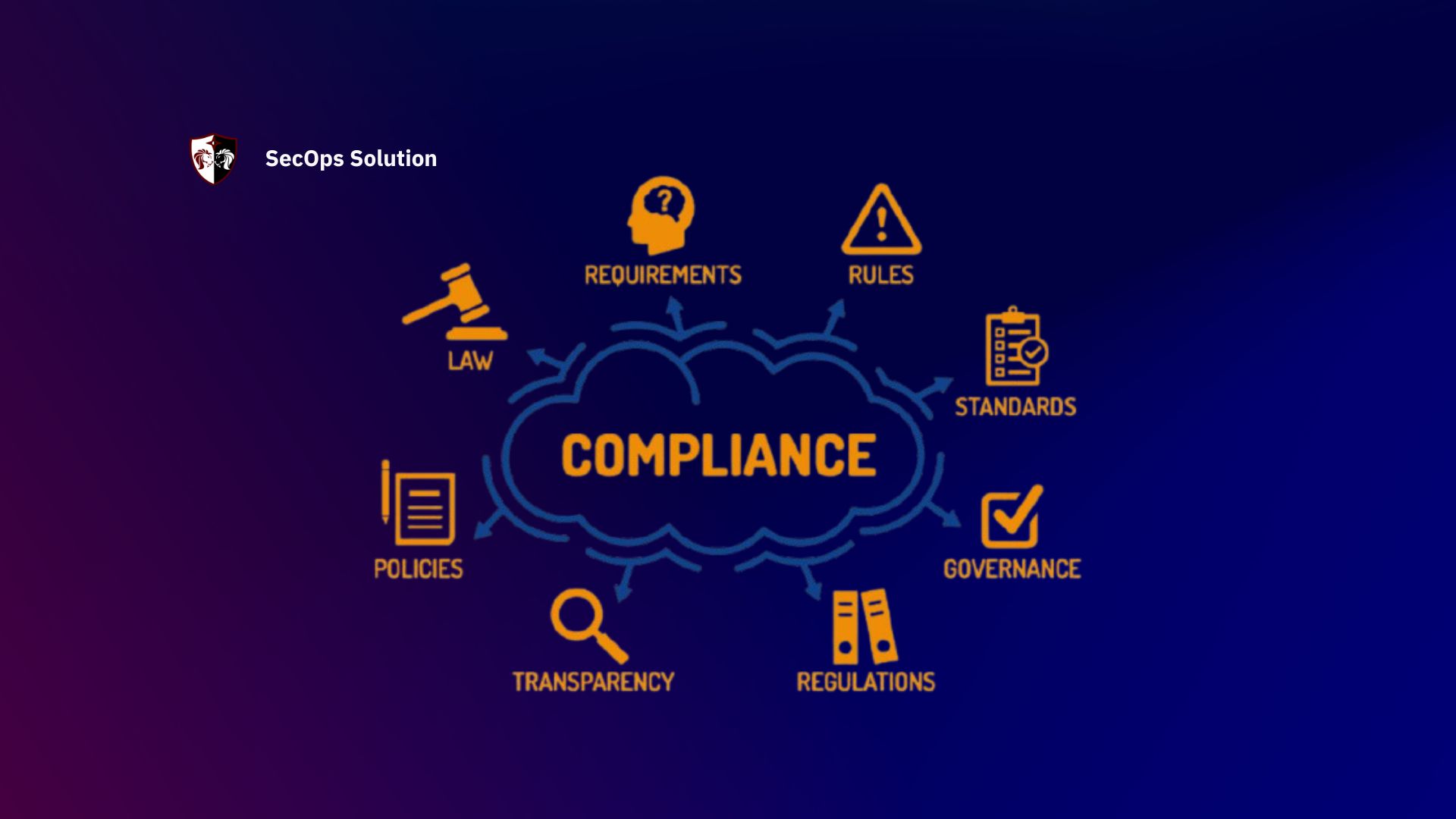
The era of treating decentralized exchanges as unregulated backwaters has ended. In 2026, DEX compliance is no longer optional; it is a structural requirement for survival. The SEC and international regulators have moved beyond theoretical discussions to active enforcement, targeting protocols that facilitate illicit activity or fail to implement basic identity verification. Projects can no longer hide behind the "code is law" defense when their interfaces facilitate sanctions evasion or money laundering.
Compliance now extends beyond simple KYC checks. DEX teams are accountable for a comprehensive suite of controls, including real-time transaction monitoring, sanctioned wallet filtering, and jurisdictional compliance checks. This shift requires integrating off-chain data with on-chain activity to flag suspicious patterns before they trigger regulatory action. The goal is not to centralize control but to create a transparent audit trail that satisfies legal standards without breaking the core utility of the exchange.
Failure to adapt means facing severe penalties, including frozen assets, injunctions, and criminal charges for operators. The cost of non-compliance now far outweighs the technical burden of implementation. Protocols must treat compliance as a core feature, embedding these checks into the user journey seamlessly. This means updating smart contract interfaces, enhancing front-end filters, and maintaining robust logs that can be produced during regulatory audits.
The landscape is shifting from reactive damage control to proactive governance. Teams that build these systems early will gain a competitive advantage by attracting institutional capital and enterprise users who require regulatory certainty. Those that delay risk obsolescence as major jurisdictions ban non-compliant interfaces. The choice is clear: integrate compliance or exit the market.
Dex compliance 2026 choices that change the plan
Building a decentralized exchange in 2026 requires balancing regulatory adherence with the core ethos of decentralization. The landscape has shifted from "code is law" to "compliance is code." Teams must now evaluate concrete operational tradeoffs that affect user experience, technical architecture, and legal liability.
The following comparison outlines the primary compliance models available today. Each approach carries distinct risks regarding user friction, implementation complexity, and regulatory exposure. Selecting the right model depends on your target jurisdiction and the specific nature of your protocol.
| Compliance Model | User Friction | Dev Complexity | Regulatory Risk |
|---|---|---|---|
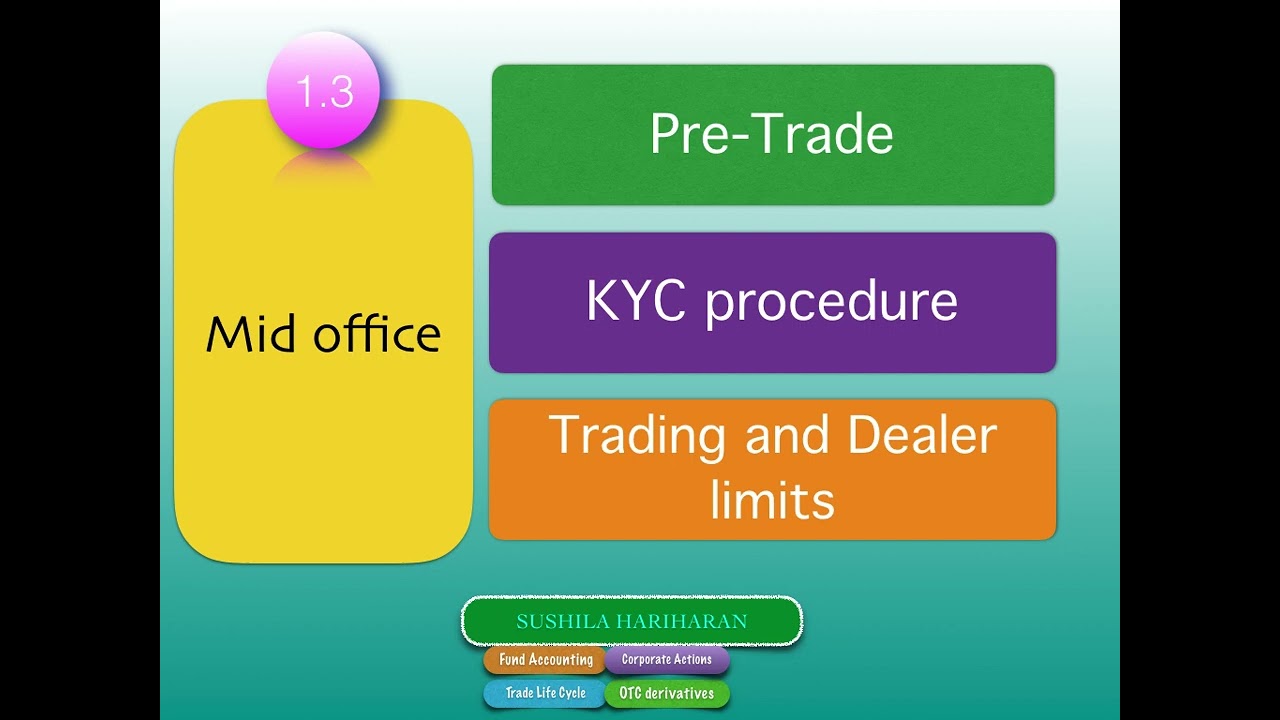
| Pre-Trade KYC | High | High | Low |
| Post-Trade Screening | Medium | Medium | Medium |
| No Screening | None | Low | High |
| Permissioned Pools | High | High | Low |
Pre-Trade KYC requires identity verification before any transaction. This model offers the strongest defense against SEC enforcement but creates the highest barrier to entry. It effectively transforms a DEX into a centralized exchange (CEX) from a user perspective.
Post-Trade Screening allows anonymous trading but monitors transactions for suspicious activity. This approach reduces initial friction but exposes the protocol to retroactive liability if illicit funds are processed. It requires robust on-chain analytics integration.
No Screening maintains full decentralization but leaves the protocol vulnerable to enforcement actions. Recent SEC guidelines make this model increasingly untenable for projects with significant US exposure. It is primarily suitable for niche, non-US focused protocols.
Permissioned Pools restrict access to whitelisted addresses. This model is common in institutional DeFi but limits liquidity and network effects. It is the most compliant option for regulated assets but sacrifices the open nature of DeFi.
Choose the next step
DEX Regulatory Compliance works best as a clear sequence: define the constraint, compare the realistic options, test the tradeoff, and choose the path with the fewest hidden costs. That order keeps the advice usable instead of decorative. After each step, pause long enough to check whether the recommendation still fits the reader's actual situation. If it depends on perfect timing, unusual access, or a best-case budget, include a simpler fallback.

Watchouts for 2026 DEX Compliance
The narrative that decentralized exchanges operate in a regulatory vacuum is no longer tenable. New SEC enforcement guidelines and evolving EU frameworks have shifted the burden of proof onto protocol developers and governance token holders. Ignoring these shifts invites immediate legal action.
Here are the specific weak options and common mistakes teams are making right now:
Claiming "Non-Custodial" Immunity
Many projects still cite non-custodial architecture as a shield against enforcement. This is a dangerous oversimplification. The SEC focuses on how a platform is marketed and operated, not just its technical structure. If your interface facilitates fiat on-ramps or offers customer support for failed transactions, you are likely performing regulated functions regardless of smart contract code.
Ignoring Sanctioned Wallet Filtering
Compliance is no longer optional for on-chain activity. Protocols that fail to implement real-time transaction monitoring or sanctioned wallet filtering are exposing themselves to severe penalties. Tools like Chainalysis or Elliptic are becoming standard infrastructure, not optional add-ons. Failing to integrate these checks is a clear signal of non-compliance to regulators.
Overlooking Jurisdictional Nuances
Assuming a single global compliance model works is a critical error. Regulations vary significantly between the US, EU, and other jurisdictions. A strategy that satisfies MiCA requirements in Europe may still violate US securities laws. Teams must build modular compliance frameworks that can adapt to local enforcement priorities rather than relying on a one-size-fits-all approach.
Dex compliance 2026: what to check next
The regulatory landscape for decentralized exchanges has shifted from ambiguity to enforcement. As SEC guidelines tighten in 2026, the assumption that code equals immunity no longer holds. Below are the most pressing compliance questions facing DEX operators and users today.
Helpful gear
Use these product recommendations as a starting point, then choose the size, material, and price point that fit how you actually use the gear.



As an Amazon Associate, we may earn from qualifying purchases.
No comments yet. Be the first to share your thoughts!