
The 2026 Regulatory Reality for DEXs
The era of relying on code as the sole legal shield has ended. In 2026, decentralized exchanges (DEXs) operate in a high-stakes environment where regulatory bodies like the SEC and the European Union’s MiCA framework no longer distinguish between centralized exchanges (CEXs) and decentralized protocols when it comes to anti-money laundering (AML) and know-your-customer (KYC) obligations.
Founders who assumed that self-custody architecture provided automatic immunity from licensing and compliance requirements are now facing enforcement actions and operational shutdowns. The legal consensus has shifted: if a protocol facilitates fiat on-ramps, offers centralized customer support, or employs governance tokens that confer control over protocol parameters, regulators view it as a financial service provider subject to the same scrutiny as a traditional bank.
Note: The shift from self-custody privacy to regulated on-chain identity is no longer optional. DEX teams are now accountable for AML, KYC, transaction monitoring, sanctioned wallet filtering, and jurisdictional compliance.
This change demands a fundamental rethinking of DEX architecture. Compliance is no longer an afterthought but a core component of protocol design. Teams must implement robust transaction monitoring systems and integrate with identity verification providers to filter sanctioned wallets before trades execute. Failure to adapt to this new reality risks not just regulatory fines, but the complete loss of user trust and market access.
MiCA vs. SEC: Two Paths for DEX Compliance
The regulatory landscape for decentralized exchanges is fracturing into two distinct enforcement models. In the European Union, the Markets in Crypto-Assets (MiCA) regulation establishes a harmonized, rule-based framework. The United States lacks federal crypto legislation, leaving the Securities and Exchange Commission (SEC) to enforce existing securities laws through litigation and no-action letters. For DEX operators, this difference dictates whether compliance is a matter of administrative registration or a high-stakes legal defense.
The EU’s Rule-Based Approach
MiCA treats crypto-asset service providers (CASPs) as regulated entities. While the regulation primarily targets centralized intermediaries, DEXs that facilitate fiat on-ramps or hold user funds are subject to strict licensing requirements. The framework mandates transparency, reserve requirements, and clear disclosure of smart contract risks. Compliance is forward-looking: operators must build systems that satisfy the European Securities and Markets Authority (ESMA) before launching. This approach reduces legal ambiguity but increases the cost of market entry, effectively pushing purely decentralized protocols toward offshore jurisdictions or non-custodial architectures that fall outside CASP definitions.
The US Enforcement-Heavy Model
In contrast, the SEC operates through a case-by-case enforcement strategy. The commission argues that many token offerings constitute unregistered securities offerings under the Howey Test. For DEXs, the primary risk is not registration, but being deemed an unregistered national securities exchange or clearing agency. The SEC has not issued specific rules for decentralized exchanges; instead, it has targeted individuals and entities it deems to be operating illegal trading platforms. This creates a chilling effect. Many US-based DEX developers avoid listing tokens deemed securities, while others operate in a gray area, risking future enforcement actions. The lack of clear guidance forces DEX operators to rely on legal opinions rather than regulatory certainty.
Key Compliance Divergences
The table below contrasts the operational realities of complying with MiCA versus addressing the SEC’s enforcement actions. The EU offers a clear path for licensed entities, while the US requires constant legal monitoring and risk mitigation.
| Aspect | EU (MiCA) | US (SEC) | DEX Impact |
|---|---|---|---|
| Legal Basis | Regulation (EC) 2023/1114 | Securities Act of 1933, Securities Exchange Act of 1934 | EU: Administrative. US: Litigation risk. |
| Registration | Required for CASPs (centralized/custodial) | Required if deemed securities exchange | EU: Clear licensing. US: Ambiguous classification. |
| Enforcement | National Competent Authorities | SEC Division of Enforcement | EU: Predictable. US: Adversarial. |
| Token Classification | Defined as crypto-assets or asset-referenced tokens | Case-by-case Howey Test analysis | EU: Broad categories. US: Security vs. commodity debate. |
| Compliance Cost | High upfront licensing and reserve requirements | High legal defense and monitoring costs | EU: Barrier to entry. US: Barrier to operation. |
Strategic Implications for DEX Operators
DEX operators must assess their jurisdictional exposure. If targeting European users, obtaining a MiCA license or structuring as a non-custodial protocol is essential. For US users, the absence of clear rules means operators must avoid facilitating trades in tokens the SEC has labeled securities. This often requires geographic restrictions or token delisting. The divergence forces DEXs to fragment their compliance strategies, potentially leading to a bifurcated market where EU-compliant DEXs offer a wider range of assets than their US-facing counterparts.
On-chain KYC and geofencing tools
Decentralized exchanges are adopting on-chain compliance layers to address the tightening regulatory landscape without surrendering custody of user funds. The goal is to embed identity verification and geographic restrictions directly into the smart contract logic, ensuring that only sanctioned wallets can interact with the protocol. This approach satisfies regulators while preserving the core promise of self-custody that defines decentralized finance.
Geofencing operates by blocking transactions from IP addresses or wallet origins tied to restricted jurisdictions. Instead of relying on a central server to verify location, DEXs use oracle feeds or decentralized identity protocols to flag addresses associated with prohibited regions. If a user attempts to trade from a sanctioned country, the smart contract reverts the transaction before it hits the blockchain. This creates a hard boundary that prevents illicit capital from entering the ecosystem, a requirement under frameworks like MiCA.
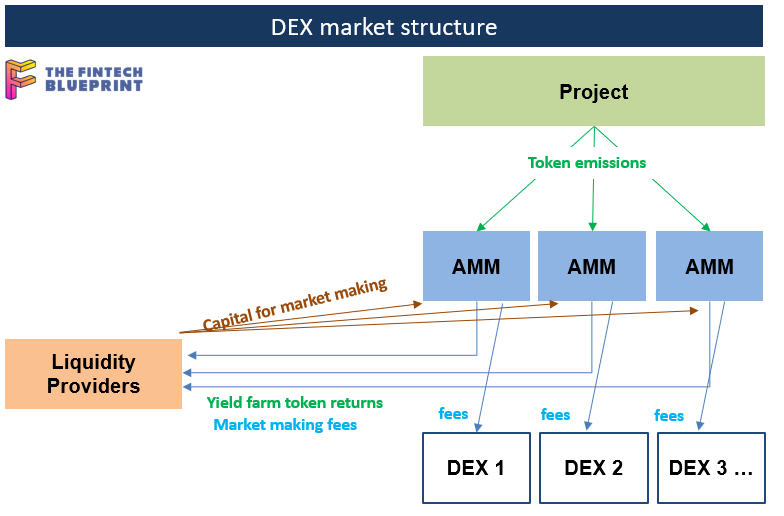
Before a trade executes, the DEX scans the user’s wallet history against global sanctions lists. This real-time screening identifies addresses linked to mixers, darknet markets, or sanctioned entities. If a match is found, the interface blocks access or requires additional verification steps.
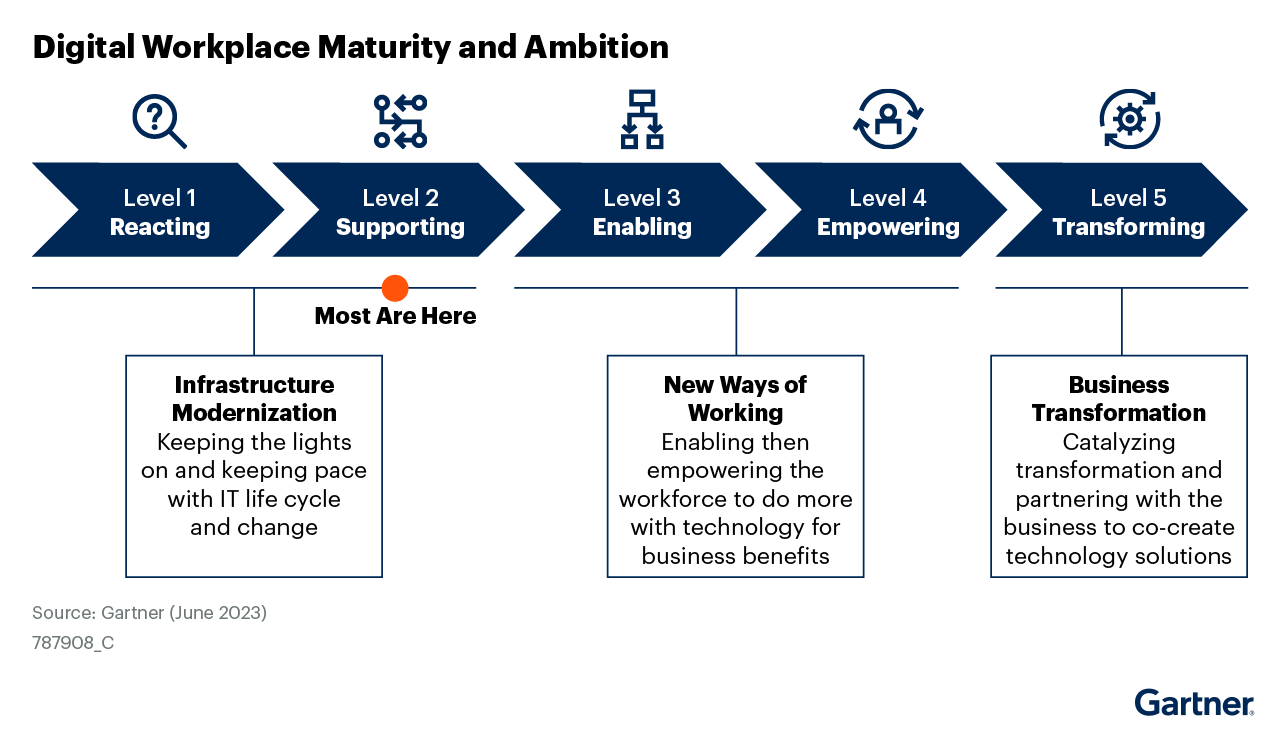
To maintain privacy while proving compliance, DEXs employ zero-knowledge proofs (ZKPs). These cryptographic methods allow users to prove they are not from a banned jurisdiction or are not a sanctioned entity without revealing their actual identity or transaction history. This balances regulatory transparency with user confidentiality.

Once verified, the user receives a non-transferable token or attestation that signals their compliant status to the smart contract. This token acts as a key, granting access to trading pools that are otherwise locked. The verification is stored on-chain, allowing for seamless interaction across different DeFi applications without repeated checks.
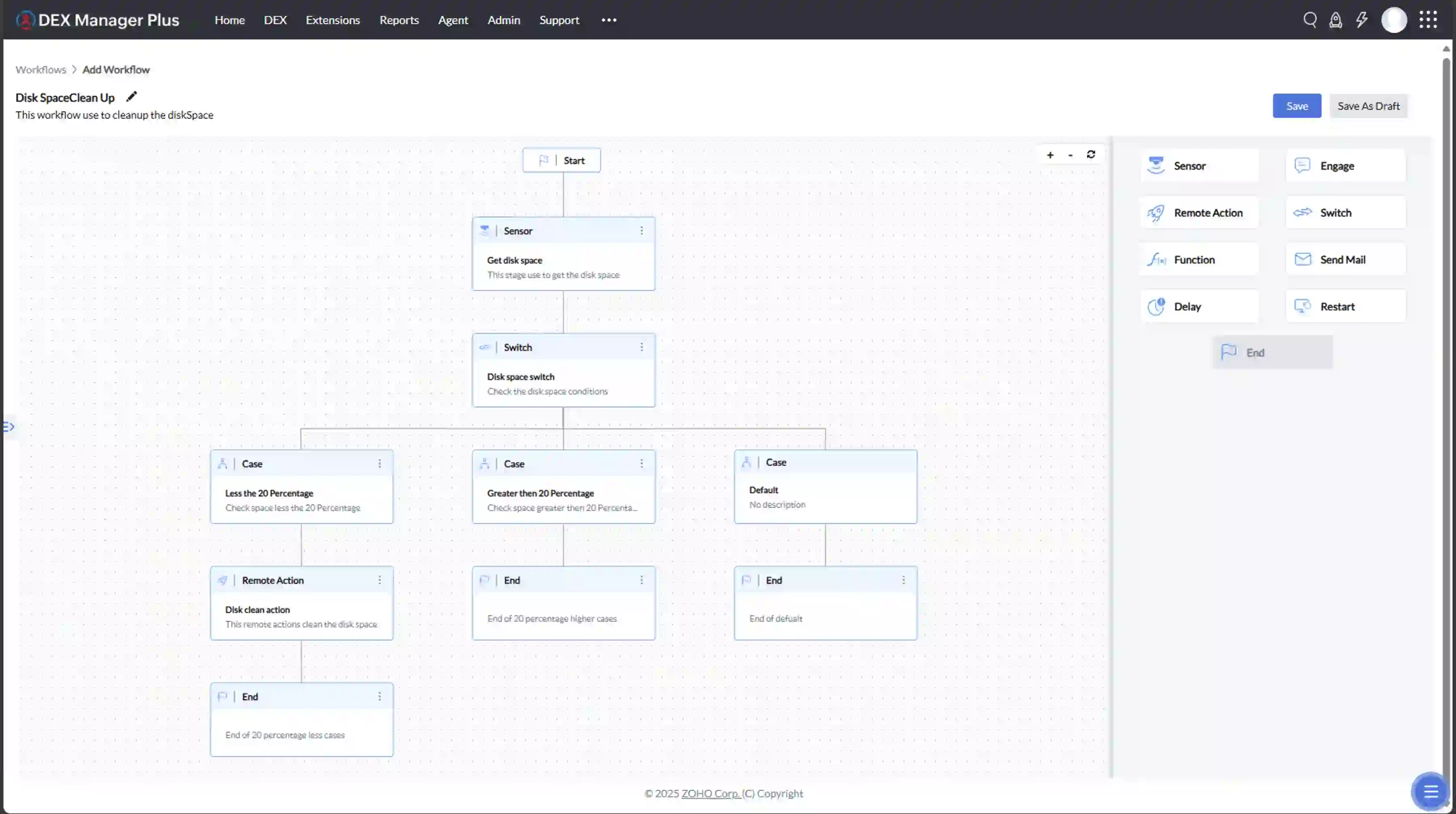
These technical mechanisms allow DEXs to operate within legal boundaries while remaining permissionless for compliant users. By shifting compliance from a centralized gatekeeper to automated code, these platforms can serve global markets without exposing themselves to the same regulatory risks as traditional exchanges. As 2026 regulations solidify, this hybrid model of on-chain verification and off-chain legal adherence will likely become the standard for decentralized trading infrastructure.
The Legal Risks for DEX Founders
The assumption that decentralized exchanges (DEXs) operate in a legal vacuum is no longer defensible. Regulators have shifted from vague warnings to targeted enforcement actions, establishing that code autonomy does not shield founders from liability. The primary risk is no longer just about licensing; it is about personal exposure for protocol architects who fail to implement adequate controls.
Regulators are increasingly focusing on the "centralized" aspects of "decentralized" protocols. If a DEX retains administrative keys, allows for pause functions, or has a core development team that can influence the code, regulators view this as a centralized entity. Under frameworks like MiCA in the EU and evolving SEC interpretations in the US, these features can trigger strict compliance obligations, including registration as a trading venue or market operator.
Recent enforcement precedents highlight the severity of this shift. Regulators have pursued actions against DEX aggregators and liquidity providers for facilitating unlicensed securities trading and money transmission. The legal danger extends beyond fines; founders face potential criminal charges for willful blindness to illicit activity. Protocols that ignore AML (Anti-Money Laundering) and KYC (Know Your Customer) requirements are no longer seen as victims of technology but as active participants in financial crime.
The technical reality is that anonymity is illusory. On-chain analysis firms work closely with law enforcement to trace illicit flows through DEXs. When regulators identify a protocol used for sanctions evasion or large-scale fraud, they do not just target the smart contract; they target the individuals behind it. This has led to a wave of settlements where founders agree to significant penalties and ongoing monitoring, setting a chilling precedent for the industry.
Founders must now treat compliance as a core feature, not an afterthought. This means integrating on-chain KYC solutions, implementing transaction monitoring, and ensuring that governance mechanisms do not violate securities laws. The cost of non-compliance is no longer a theoretical risk; it is a guaranteed path to legal destruction.
Building a compliant DEX architecture
Building a compliant DEX architecture requires shifting from reactive patching to proactive protocol design. Under MiCA and evolving SEC scrutiny, the distinction between a decentralized exchange and a centralized entity often hinges on code structure. Developers must embed compliance layers directly into the smart contract logic and front-end interfaces from the initial deployment. This approach ensures that regulatory obligations—such as identity verification and transaction monitoring—are enforced at the point of execution rather than as an afterthought.
Integrate a Verifiable Credential (VC) protocol or decentralized identity (DID) standard into the smart contract. Use a zero-knowledge proof (ZKP) system to validate that a user holds a valid KYC credential from a trusted issuer without exposing their underlying personal data. This allows the contract to reject transactions from unverified addresses automatically, satisfying Travel Rule requirements and MiCA’s VASP obligations while preserving user privacy.

Deploy an on-chain analytics module that flags transactions against known sanction lists (e.g., OFAC) and high-risk wallets. The smart contract should pause or require additional approval for transfers exceeding specific thresholds or interacting with blacklisted addresses. This mirrors the transaction monitoring systems required by the FATF and ensures that the DEX does not facilitate money laundering or terrorist financing.
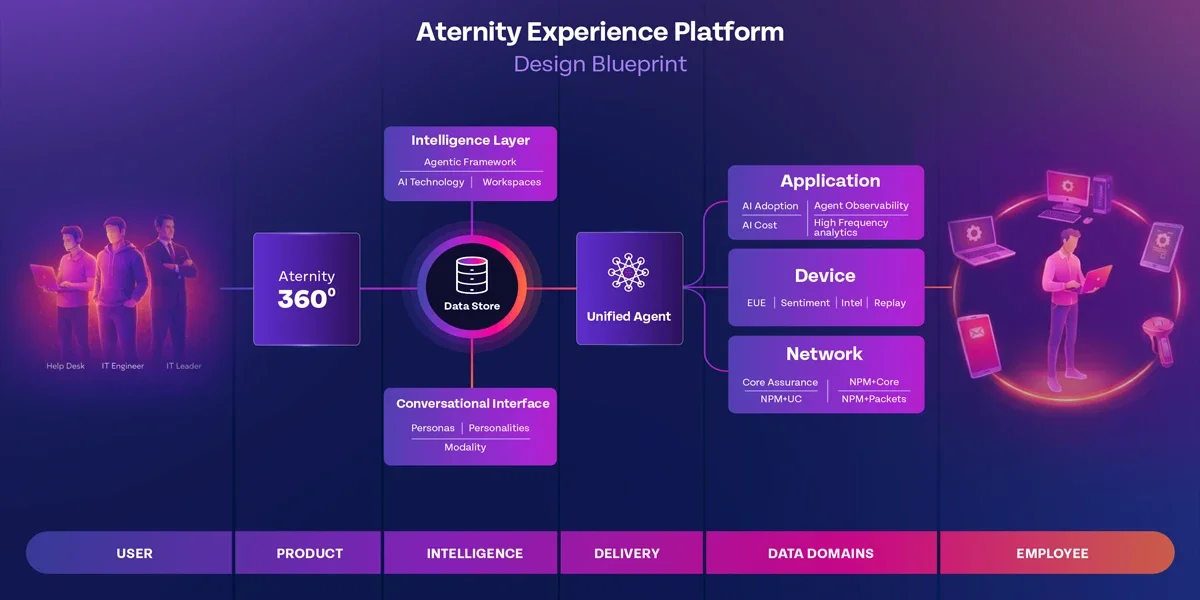
Build in public, queryable logs for governance decisions and fee structures. MiCA requires VASPs to provide clear information on costs and risks. By storing key operational parameters on-chain and ensuring they are easily accessible, you create an audit trail that regulators can verify. This transparency reduces legal ambiguity and demonstrates good faith compliance efforts, which can be critical in defending against SEC enforcement actions.
By treating compliance as a core architectural component rather than a peripheral feature, DEX developers can address the complex 2026 regulatory landscape with greater confidence and resilience.
Helpful gear
Use these product recommendations as a starting point, then choose the size, material, and price point that fit how you actually use the gear.


As an Amazon Associate, we may earn from qualifying purchases.
No comments yet. Be the first to share your thoughts!